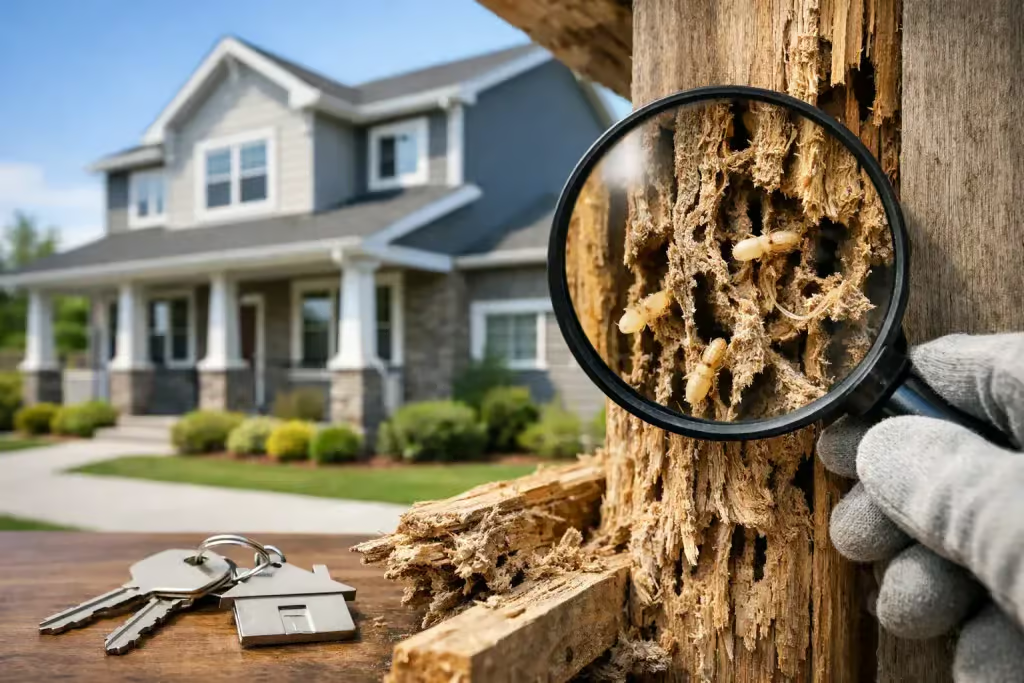
For homeowners, few words spark as much anxiety as “termites.” Often called “silent destroyers,” these pests can chew through the structural integrity of a building long before any outward signs of damage appear. While national pest control chains offer broad solutions, there is a distinct advantage to hiring local termite inspectors.
Understanding the nuances of your specific environment isn’t just a luxury—it’s a necessity for long-term property safety. Here is why local expertise is your best defense against termite infestations.
Knowledge of Regional Termite Species
Termite behavior isn’t universal. In the United States, the threats vary significantly by geography. For instance, a homeowner in the Southeast might face aggressive Formosan subterranean termites, while someone in the Southwest deals more frequently with Drywood termites.
Local inspectors are specialists in the specific species native to your area. They understand:
Swarming Seasons
Termite swarms are a critical warning sign for homeowners, occurring when reproductive “alates” leave established colonies to start new ones. These seasons vary by region and species, typically triggered by specific combinations of warm temperatures and high humidity following rain. Local inspectors identify these peak windows, allowing for proactive monitoring before new colonies can compromise your property’s structural integrity.
Nesting Habits
Understanding where termites reside is essential for effective mitigation. Subterranean species build complex underground networks and mud tubes to maintain moisture, while drywood termites nest directly within structural timber or furniture. Local experts recognize these distinct behaviors, identifying whether a threat is rising from the soil or hidden within your walls, ensuring the treatment approach matches the pest’s specific lifestyle.
Entry Points
Termites are masters of infiltration, utilizing cracks as small as 1/16th of an inch to enter a home. Common entry points include expansion joints, utility penetrations, and areas where wooden siding meets the soil. A localized inspection focuses on these vulnerabilities, identifying regional construction flaws and “conducive conditions” like localized moisture buildup that provide these silent destroyers easy access to your building.
Understanding Local Soil and Climate Conditions
Termite activity is intrinsically linked to the environment, as these pests thrive in specific thermal and hydraulic settings. Local inspectors analyze regional weather patterns, such as seasonal rainfall and humidity spikes, to predict colony expansion. By understanding how your area’s unique climate influences pest metabolism and movement, professionals can implement preventative barriers that are specifically engineered to withstand the local elements, ensuring your property remains protected throughout the year.
Moisture Levels
High moisture is the primary catalyst for termite infestations, particularly for subterranean species that require damp environments to survive. Local experts identify regional issues like high water tables, poor drainage patterns, or humidity-trapped crawlspaces common in local architecture. By addressing these moisture-rich “conducive conditions,” inspectors help you eliminate the environmental invitations that draw termites toward your home’s foundation.
Soil Composition
The ground surrounding your home dictates how termites travel and how treatments perform. Whether your property sits on dense clay, porous sand, or loamy soil, the composition affects moisture retention and the distribution of liquid termiticides. Local inspectors understand these subterranean dynamics, allowing them to customize application methods that ensure protective barriers remain consistent and effective despite your specific geological layout.

Compliance with State and Local Regulations
Building codes and real estate disclosure laws vary from state to state. Local inspectors are well-versed in the specific paperwork required for property sales in your county, such as the Wood Destroying Insect Report (WDIR) or the Form NPMA-33.
Choosing a local professional ensures that your inspection meets all legal requirements for mortgage lenders and insurance providers, preventing delays in property transactions.
Faster Response for Preventive Care
Property safety is a race against time. Because local inspectors operate within a smaller radius, they can often provide:
Rapid Scheduling
When dealing with wood-destroying organisms, every day counts to prevent further structural degradation. Local termite inspectors operate within your immediate community, allowing for significantly faster response times compared to national chains. This proximity enables them to offer flexible, same-day, or next-day appointments, ensuring that potential infestations are identified and treated before minor issues escalate into costly, extensive repairs.
Follow-up Consistency
Effective termite management requires long-term vigilance rather than a one-time fix. Utilizing a local inspector ensures that the same professional—who is already familiar with your property’s unique vulnerabilities and treatment history—manages your annual re-inspections. This continuity builds a reliable “health record” for your home, allowing for more accurate tracking of past problem areas and ensuring consistent protection.
The Hidden Cost of Delay
According to industry data, termites cause over $5 billion in property damage annually in the U.S. alone—damage that is rarely covered by standard homeowners’ insurance. A local inspector acts as an early warning system, identifying “conducive conditions” (like wood-to-earth contact or leaky outdoor faucets) before an infestation even begins.
Conclusion
Ultimately, protecting your home requires more than just a general pest strategy; it demands localized expertise. By partnering with a local termite inspector, you gain the advantage of regional insights into species behavior, climate risks, and soil dynamics. This proactive, community-focused approach ensures early detection and precise treatments, safeguarding your property’s structural integrity and long-term value against the constant threat of these silent destroyers.