For many homeowners, the house is their most significant financial asset. However, a silent, wood-eating threat could be compromising that investment from the inside out. Termites cause billions of dollars in property damage every year—damage that is rarely covered by standard homeowners insurance.
While DIY inspection kits exist, they are no match for the precision of a professional. Here is why hiring a certified termite inspector is the smartest move you can make to protect your home.
Identifying Subtle “Red Flags”
Termites are masters of disguise. They don’t usually crawl across your living room floor; they hide behind drywall, under floorboards, and inside support beams. A certified inspector is trained to spot the subtle indicators that an untrained eye would miss:
Mud Tubes
Mud tubes are pencil-thick tunnels constructed from soil, saliva, and fecal matter. Subterranean termites build these moisture-rich conduits to bridge the gap between their underground colonies and your home’s wooden structures. They serve as a protective shield against predators and dry air. Finding these earthy veins on your foundation or crawl spaces is a definitive sign of active termite transit.
Frass
Frass is the technical term for termite droppings, primarily associated with Drywood termites. As these pests consume the interior of your timber, they kick their waste out through tiny “kick-out holes” to keep their galleries clean. This debris resembles small mounds of salt and pepper or sawdust. Noticing these granular piles near windowsills or baseboards indicates a localized infestation.
Acoustic Emissions
While termites are often silent to the human ear, they are actually quite noisy eaters. When threatened, soldier termites bang their heads against wood fibers to alert the colony. Certified inspectors use sensitive acoustic emission devices to detect these microscopic vibrations and “clicking” sounds. This non-invasive technology allows pros to confirm termite activity deep within walls without peeling back any drywall.
Hollow Wood
Termites prefer to eat wood from the inside out, leaving the outer paint or grain intact to stay hidden. This creates a deceptive shell that looks sturdy but lacks structural integrity. By tapping on suspected areas, an inspector listens for a dull, papery thud. If a screwdriver can easily puncture the surface, it confirms the timber has been hollowed out.
Specialized Technology and Tools
Modern termite detection has evolved far beyond the simple flashlight and screwdriver. Certified inspectors now utilize a sophisticated arsenal of high-tech equipment designed to “see” through solid surfaces. By integrating thermal imaging, moisture sensors, and fiber-optic cameras, professionals can identify hidden colonies with surgical precision. This technological advantage allows for non-invasive inspections that locate pests behind drywall, under flooring, and within structural beams without requiring destructive teardowns of your home’s interior.
Infrared Thermography
Infrared cameras allow inspectors to detect heat signatures invisible to the naked eye. Because termite colonies generate metabolic heat and maintain high moisture levels, they appear as distinct “hot spots” or thermal anomalies on a digital screen. This technology is invaluable for scanning large wall sections quickly, helping professionals pinpoint the exact location of a nest hidden deep inside your home’s framework.
Moisture Meters
Termites are biologically driven to seek out damp environments to survive. Certified inspectors use moisture meters to identify pockets of high humidity within wood and drywall that shouldn’t be there. These elevated readings often act as a roadmap, leading experts directly to active infestation sites or identifying “conducive conditions” that must be fixed to prevent future wood-destroying insect attacks.
Borescopes
Borescopes are specialized, tiny fiber-optic cameras attached to flexible probes. By inserting the probe through a minuscule, easily patchable hole, an inspector can visually explore the dark voids behind walls or inside cabinets. This provides high-definition confirmation of termite galleries, mud tubes, or structural damage in real-time, offering concrete evidence of an infestation without the need for major demolition.
Understanding Termite Species
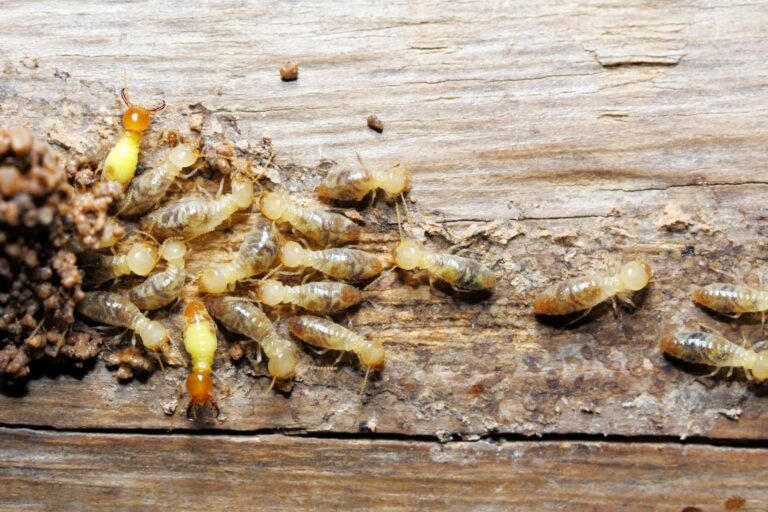
Not all termites are created equal. Treatment for Subterranean termites (which live in the soil) is vastly different from the treatment for Drywood termites (which live entirely inside the wood).
A certified professional can accurately identify the species. This ensures you aren’t wasting money on a “one-size-fits-all” treatment that might not even work for the specific pest invading your home.
Comprehensive Structural Assessment
Beyond just finding bugs, a certified inspector evaluates the vulnerability of your home. They look for:
Wood-to-ground contact: A primary “bridge” for termites.
Drainage issues: Standing water that attracts pests.
Breaches in the foundation: Tiny cracks as thin as a credit card that allow entry.
Long-Term Financial Savings
The cost of a professional inspection is a fraction of the cost of structural repairs. If a colony goes undetected for years, you could be looking at replacing floor joists, wall studs, and even roof supports.
Pro Tip
If you are buying or selling a home, a Wood Destroying Insect (WDI) Report from a certified inspector is often a legal requirement for closing. Having a clear report increases your home’s market value and provides peace of mind to buyers.
Conclusion
Protecting your home from termites requires more than a visual scan; it demands professional expertise and advanced technology. A certified inspector identifies hidden threats, prevents catastrophic structural damage, and saves you thousands in repairs. Don’t wait for the damage to become visible—secure your investment with a professional inspection today.