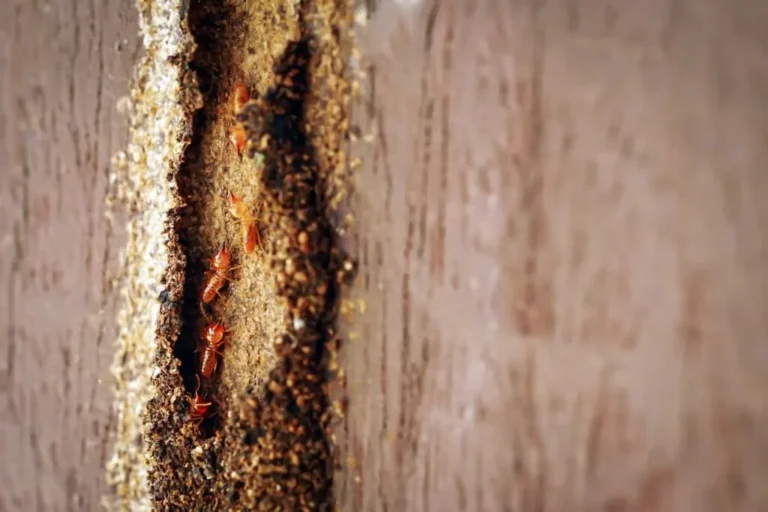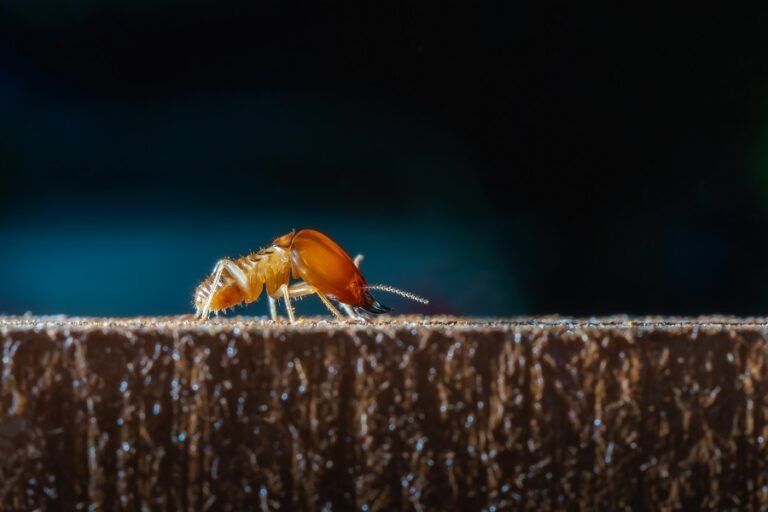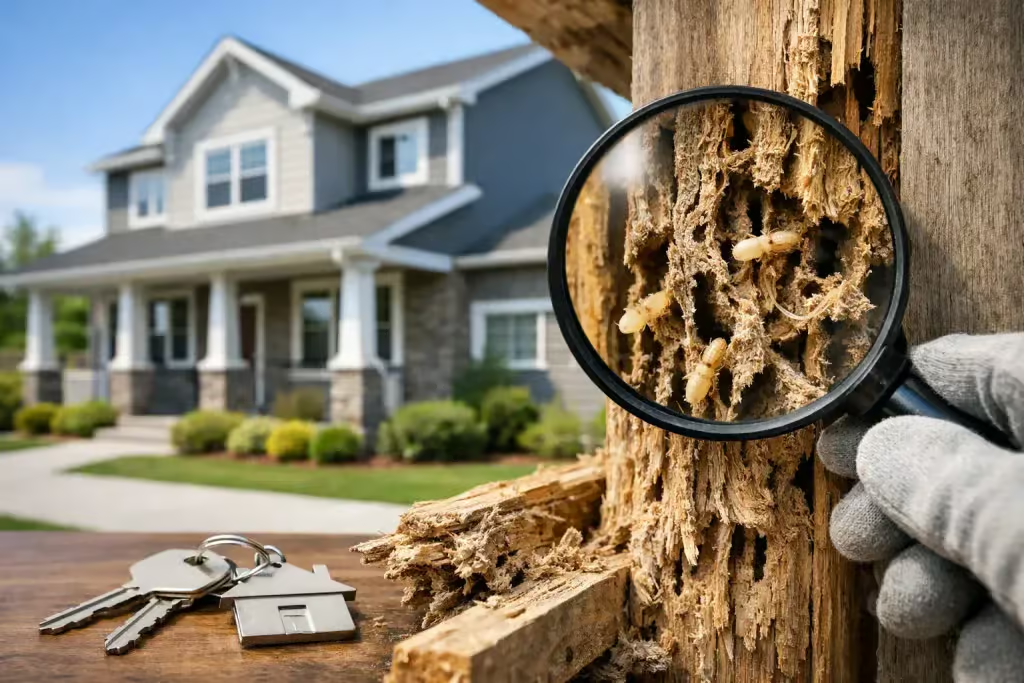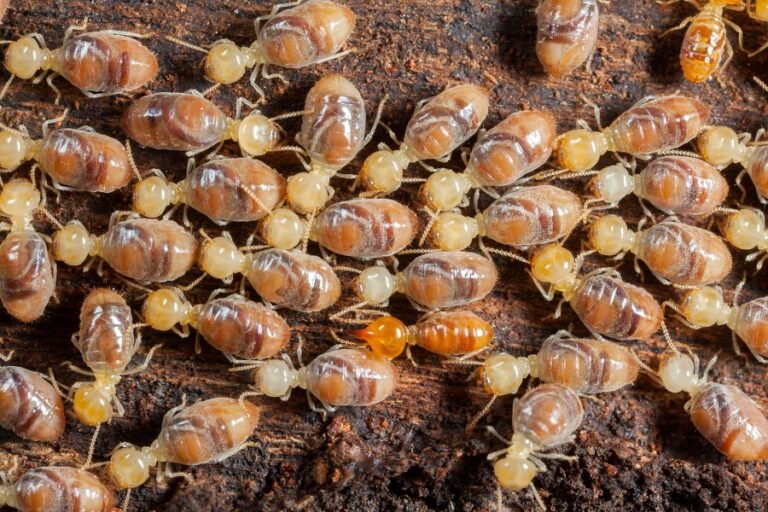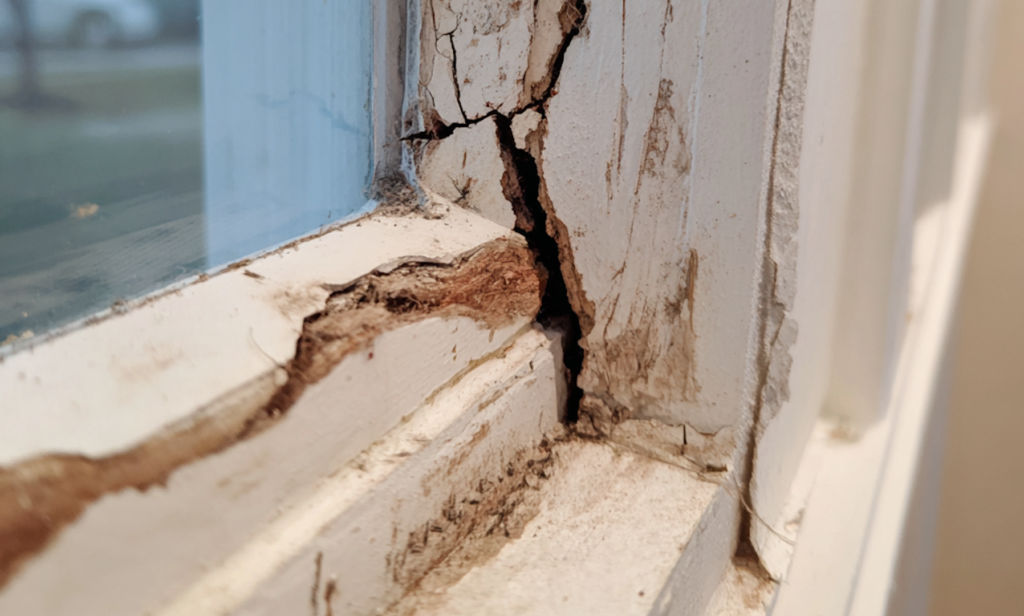
In the world of home maintenance, some issues are cosmetic, while others are structural emergencies in disguise. Termite damage falls firmly into the latter category. Often called “silent destroyers,” termites can chew through the wooden bones of a home for years before a homeowner notices a single sign.
If you’ve discovered evidence of an infestation or existing structural compromise, the clock is already ticking. Here is why delaying termite damage repair is a gamble you simply cannot afford to take.
Structural Integrity is a Non-Renewable Resource
Your home’s safety relies on a network of support beams, floor joists, and wall studs. Termites consume cellulose, the organic fiber found in wood, effectively hollowing out these critical components from the inside out.
When you delay repairs, you aren’t just dealing with “old damage”—you are allowing the weight of your home to rest on increasingly fragile supports. This can lead to:
- Sagging floors and ceilings.
- Buckling walls.
- Sticking doors and windows caused by the house shifting.
The Multiplier Effect of Repair Costs
Termite damage repair costs do not grow linearly; they grow exponentially. What starts as a minor structural compromise quickly evolves into a systemic failure. When load-bearing components are weakened, the weight of your home shifts, putting undue stress on unaffected areas. By delaying action, you aren’t just paying for the original damage—you are paying for the cascading destruction of your home’s entire structural framework and the increased labor involved.
Phase 1: Early Intervention
In this initial stage, damage is often localized to a single area, such as a specific floor joist or a section of baseboard. Repairing the structure now is relatively straightforward and cost-effective, typically involving simple wood replacement or reinforcement. Addressing the issue during Phase 1 prevents the “silent destroyer” from migrating deeper into your home’s critical support systems and foundations.
Phase 2: Structural Compromise
By Phase 2, the damage has spread beyond the entry point, hollowing out essential support beams and hollowing out wall studs. This stage often requires extensive reconstruction, as the hollowing of internal timber compromises the home’s safety. Labor costs skyrocket here because contractors must often jack up the house or install temporary supports to safely replace the severely degraded structural members.
Secondary Hazards: Mold and Moisture
Termites thrive in moisture-rich environments. Often, termite damage is accompanied by wood rot or plumbing leaks that attracted the colony in the first place. When damaged wood is left unaddressed, it becomes a sponge for humidity, inviting mold and mildew growth. This creates a secondary health hazard for your family and further weakens the remaining healthy wood in your home.
Real Estate Value and Liability
Unaddressed termite damage is a significant red flag that can instantly devalue your property. In a competitive market, buyers look for stability; structural compromises suggest neglect and hidden costs. Beyond the price tag, you face legal liabilities. Failing to rectify known issues before a sale can lead to breach-of-contract lawsuits or mandatory price concessions. Protecting your equity means ensuring your home is structurally sound and cleared of any lingering damage.
Inspection Failures
Professional home inspectors are trained to identify the subtle indicators of termite activity, such as mud tubes or hollowed timber. If unrepaired damage is discovered during a pre-sale inspection, it can jeopardize your entire deal. Buyers often walk away immediately or demand massive credits, as structural uncertainty is a major deterrent that complicates financing and delays the closing process significantly.
Insurance Limitations
A harsh reality for many homeowners is that standard insurance policies rarely cover termite damage or repairs. Carriers typically categorize infestations as preventable maintenance issues rather than sudden accidents. Because you are footing the bill entirely out of pocket, delaying repairs only increases your financial exposure. Fixing the problem early is the only way to mitigate a total loss of your investment.
Termites Don’t “Move On” Naturally
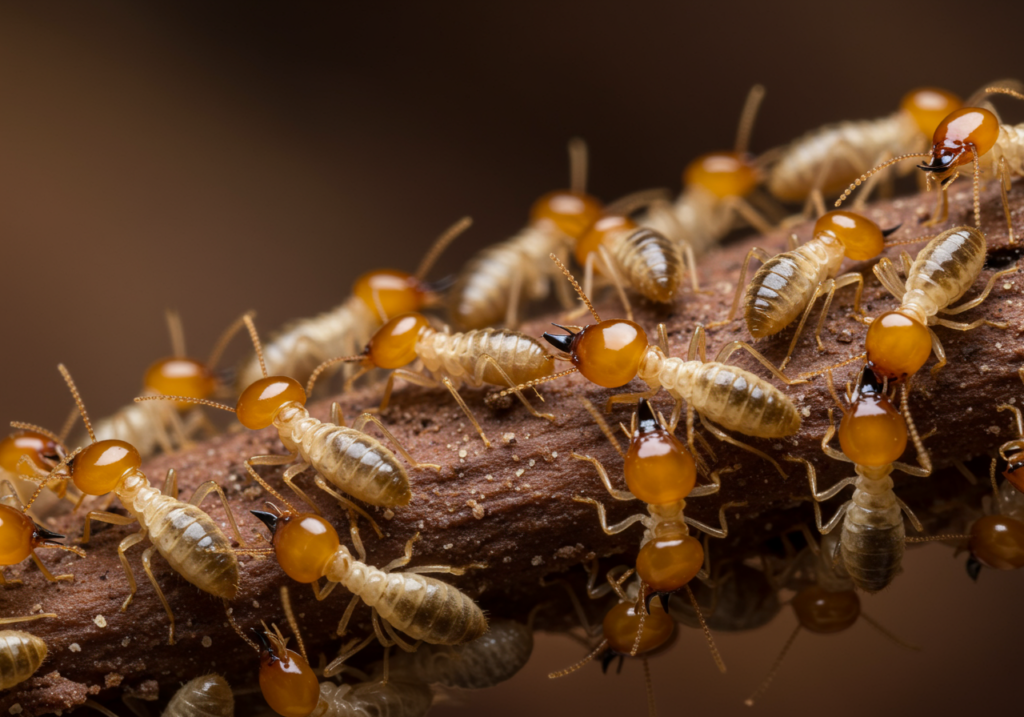
A common misconception is that a colony might eventually leave. In reality, a mature colony can contain hundreds of thousands of termites that will remain active as long as there is a food source (your home) and moisture. Repairing the damage is often the final step in a comprehensive treatment plan—it ensures the structure is sealed and reinforced against future “scout” termites looking for easy entry points.
The Verdict: Act Now, Save Later
The visible damage is usually just the tip of the iceberg. If you suspect your home has been compromised, the most cost-effective decision you can make is to schedule a professional assessment today. Reinforcing your home’s structure now protects your investment, your safety, and your peace of mind.
Don’t let a small problem become a structural nightmare. Contact a licensed restoration specialist to evaluate your home’s integrity today.