Finding mud tubes on your foundation or discarded wings on a windowsill is enough to send any homeowner into a panic. When you realize it’s time to call in the professionals, the process shouldn’t be a mystery. A reputable local termite control company does more than just “spray for bugs”; they provide a comprehensive structural defense strategy.
If you are hiring a local specialist for the first time, here is exactly what you should expect from a professional service.
A Comprehensive “Boots-on-the-Ground” Inspection
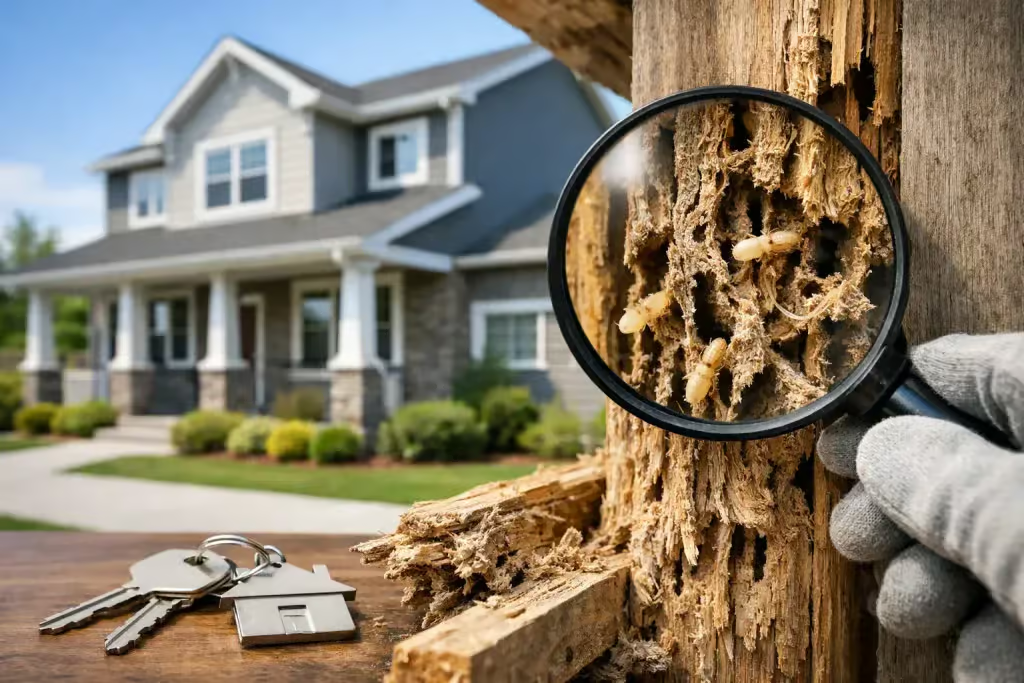
A professional termite evaluation requires more than a casual walk-through; it demands a meticulous, boots-on-the-ground assessment of your property’s entire footprint. Expect a technician to spend significant time investigating high-risk zones that are often overlooked. They focus on identifying active colonies, past damage, and “conducive conditions”—such as excessive moisture or wood-to-soil contact—that practically invite pests in. This deep dive ensures your treatment plan is built on physical evidence rather than guesswork.
Interior Checks
Inside your home, technicians focus on areas where moisture and wood meet. They will meticulously examine baseboards, window sills, and flooring for subtle signs like bubbling paint or hollow-sounding timber. Expect them to prioritize “wet rooms” like kitchens and bathrooms, as well as dark, unfinished spaces like crawl spaces or basements, where termites can remain undetected for years behind the drywall.
Exterior Checks
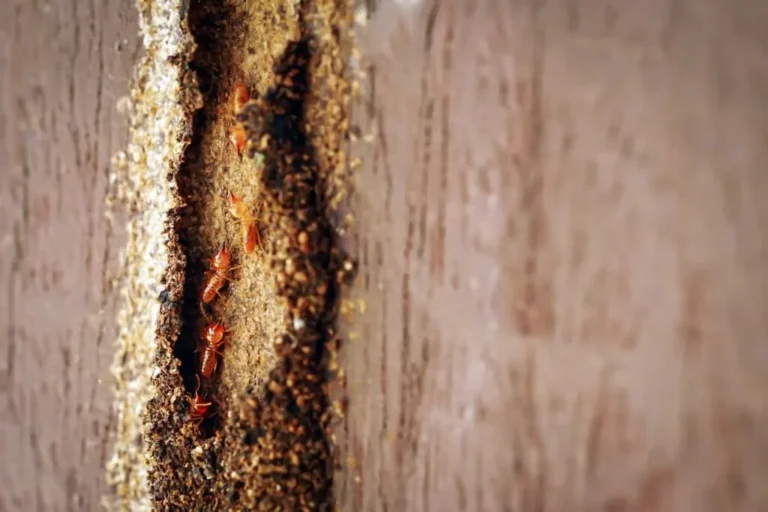
The exterior inspection serves as your home’s first line of defense. Professionals scout the perimeter for mud tubes climbing the foundation and discarded wings near entry points. They also evaluate the surrounding landscape, checking mulch beds, stacked firewood, and fence posts. By identifying bridge points where vegetation touches the structure, they can recommend specific alterations to break the path between the colony and your home.
The Report
Following the inspection, you should receive a detailed, easy-to-read report that serves as a roadmap for protection. This document outlines exactly where activity was detected, the severity of any structural compromise, and the specific species identified. A high-quality report often includes digital photos and a mapped diagram of your property, clearly justifying the recommended treatment steps and providing a baseline for future annual check-ups.
Identifying the Specific Enemy
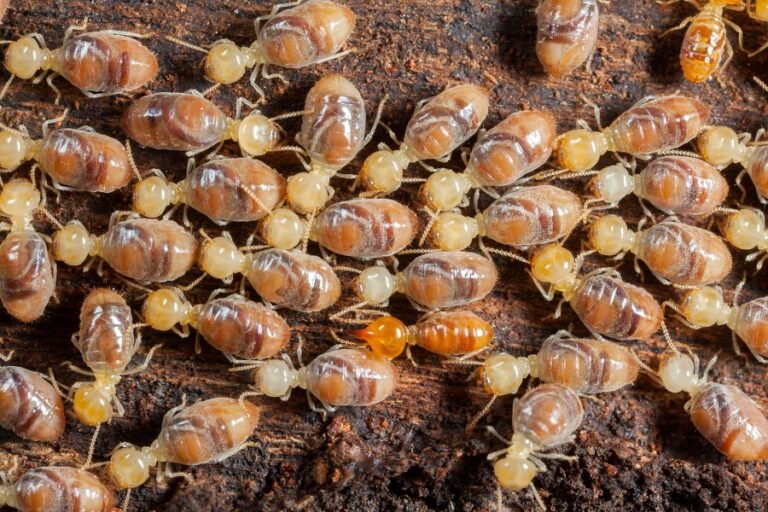
Not all termites are created equal, and the treatment for one won’t necessarily work for another. Your local pro will identify the specific species invading your property:
Subterranean Termites
Subterranean termites are the most destructive species in the U.S., living in massive underground colonies. They require moisture to survive, which is why they build distinctive mud tubes to travel from the soil into your home’s structure. Because they attack from the ground up, protection typically involves liquid soil barriers or baiting systems designed to eliminate the entire colony at its source.
Drywood Termites
Unlike their moisture-seeking cousins, drywood termites live entirely within the wood they consume. They don’t need contact with the soil, often infesting attic framing, hardwood floors, or expensive furniture. They are harder to detect because they stay hidden deep inside the timber, often only revealing themselves through small “kick-out holes” where they push out tiny, sand-like fecal pellets.

A Customized Treatment Plan
Expect a clear, written proposal. A “one-size-fits-all” approach is a red flag. Depending on your home’s construction and the severity of the infestation, they may recommend:
Liquid Soil Barriers
A liquid barrier is a proactive defense strategy that creates a continuous chemical “curtain” around your foundation. Technicians apply a specialized termiticide into the soil to intercept termites attempting to enter the structure. Modern non-repellent formulas are undetectable to the pests; as they pass through the treated zone, they unknowingly carry the product back to the colony, leading to total elimination.
Baiting Systems
Baiting systems offer a strategic, long-term solution by utilizing the termites’ natural foraging behavior. Small stations are discreetly installed in the ground around your home’s perimeter, containing a slow-acting growth regulator. Foraging termites discover the bait and share it with the rest of the nest. Over time, this process disrupts the colony’s ability to molt, eventually causing the entire population to collapse.
Wood Treatments
Direct wood treatments focus on fortifying the structural timber itself rather than the surrounding soil. Professionals often apply borate-based sprays or foams to exposed wood during the construction phase or in accessible areas like attics and crawl spaces. This treatment penetrates deep into the fibers, making the wood toxic to termites and providing a permanent layer of protection against future infestations.
Transparent Pricing and Warranties
Local companies live and die by their reputation. Expect a transparent breakdown of costs—no hidden “environmental fees” or surprise surcharges.
The most important part of the contract is the Warranty (or Service Agreement). Most reputable companies offer a “Retreatment Warranty,” meaning if termites return within a certain period (usually one year), they will retreat the area at no additional cost. Some also offer “Damage Repair Warranties,” which cover the cost of repairs if new damage occurs after treatment.
Clear Preparation Instructions
If a treatment is scheduled, the company should provide you with a checklist. This might include:
- Moving furniture away from interior walls.
- Trimming back vegetation from the foundation.
- Ensuring pets and children are away from the site during application.
Ongoing Monitoring and Prevention
Termite control isn’t a “one-and-done” event. A local pro will discuss long-term prevention. This usually involves an annual inspection to ensure that barriers haven’t been breached and that no new colonies have moved in nearby.
Conclusion
Protecting your home starts with choosing a local expert who prioritizes thorough inspections and transparent, customized solutions. By understanding the specific termite species and treatment methods available, you can proactively defend your property. Don’t wait for visible damage—partner with a professional to ensure long-term structural integrity and peace of mind.