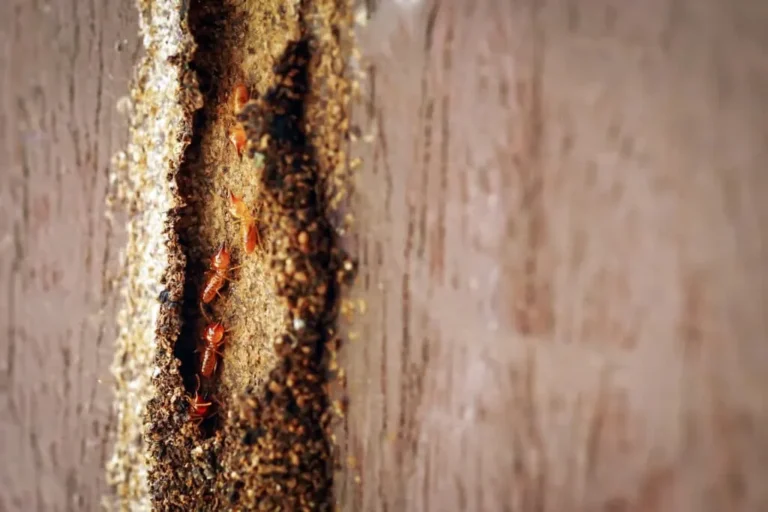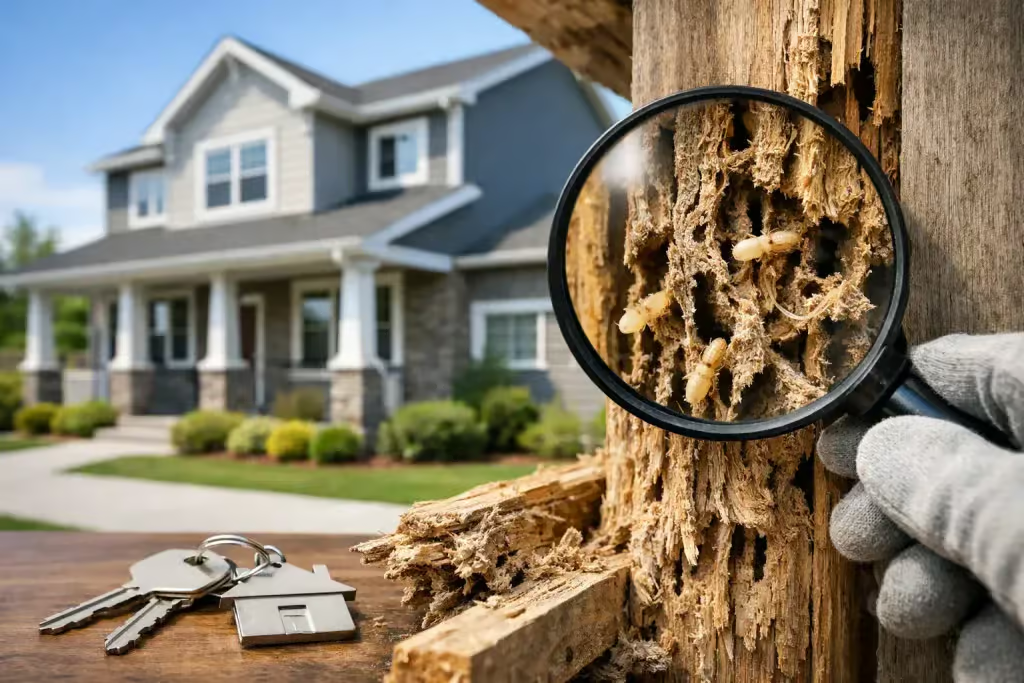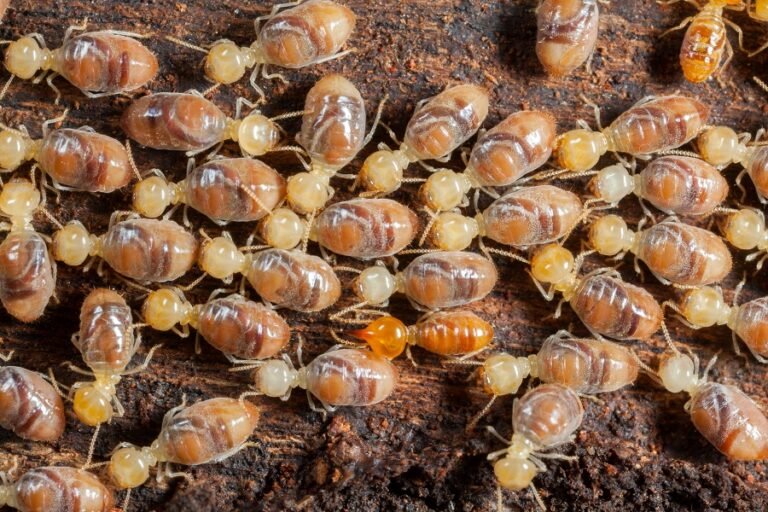
Owning a home in San Jose is a major milestone, but the Silicon Valley dream comes with its own local maintenance challenges. While the Mediterranean climate is ideal for residents, it is equally appealing to one of California’s most destructive uninvited guests: termites.
Because termite damage often goes completely unnoticed until it requires expensive structural repairs, regular inspections are essential. Whether you are planning to buy, sell, or simply protect your investment, here is everything San Jose homeowners need to know about termite inspections.
Why San Jose Homes Are Prime Targets?
California is a hotbed for termite activity, and the Bay Area is no exception. San Jose’s microclimates—ranging from warm inland areas like Evergreen and Almaden Valley to more humid pockets near the bay—create comfortable breeding grounds for wood-destroying pests.
Furthermore, many residential neighborhoods in San Jose feature mature landscaping, wooden fencing, and older structures (such as mid-century builds in Willow Glen or ranch homes in East San Jose). These provide an endless buffet of cellulose and moisture, making routine vigilance a necessity rather than an option.
The Main Culprits: Subterranean vs. Drywood Termites
When inspectors check a San Jose home, they are usually looking for two primary types of termites:
Subterranean Termites
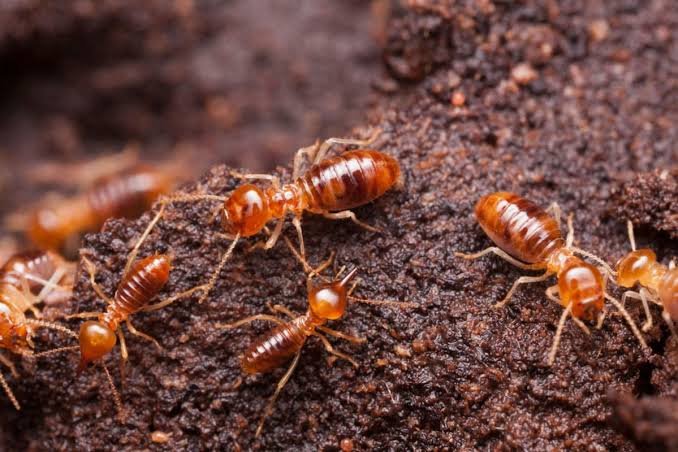
These live underground and build distinct mud tubes up foundation walls to reach your home’s framing. They thrive in moist environments and cause the majority of structural damage in the region.
Drywood Termites
Unlike subterranean termites, these do not need soil contact. They fly directly into a home, infest dry wood (attics, eaves, window frames), and leave behind tiny, pellet-like droppings (frass) that look like miniature piles of sawdust.
What Happens During a Professional Termite Inspection?
A standard California Wood Destroying Pest and Organisms Inspection Report (often called a termite inspection report) is a visual evaluation of all readily accessible areas of a home.
A licensed professional will typically check:
The Foundation & Crawl Spaces
Inspectors closely examine your home’s base for earth-to-wood contact, foundation cracks, and subterranean mud tubes. Because crawl spaces trap moisture and darkness, they provide an ideal breeding ground for hidden colonies. Checking this zone is critical to stopping aggressive subterranean termites before they reach structural framing.
The Exterior & Roofline
Your home’s outer perimeter faces constant exposure to weather and pests. Inspectors check wood siding, stucco cracks, doorframes, decks, and wooden patio covers. Special attention is given to the roofline and eaves, where damp wood and overhangs easily attract moisture-loving pests looking for vulnerable entry points.
Interiors
Indoor checks focus on high-risk areas prone to moisture and humidity, such as bathrooms, kitchens, and laundry rooms. Professionals thoroughly probe vulnerable baseboards, window casings, and doorframes with specialized tools. Any soft, hollow, or blistered wood spotted inside usually points to an established, active underlying infestation.
The Attic
Because drywood termites prefer elevated, dry environments, the attic is a primary hunting ground. Inspectors scan exposed rafters, roof trusses, and ceiling joists. They look for telltale signs like discarded translucent wings, tiny pinholes in timber, or small piles of pellet-like droppings known as frass.
Understanding the Report: Section 1 vs. Section 2
If you receive a report, it will generally categorize findings into two parts:
Section 1 Findings
Section 1 details active wood-destroying pest infestations, visible infections, or structural damage that requires immediate correction. This includes live termites, active fungi, dry rot, or damaged wood framing. Lenders typically require all Section 1 items to be fully repaired and cleared before finalizing a real estate transaction.
Section 2 Findings
Section 2 highlights conditions that are not yet damaged or infested, but are likely to cause problems in the future. Common examples include plumbing leaks, poor yard drainage, or earth-to-wood contact. Fixing these issues prevents future infestations, though lenders rarely require repairs for Section 2 items.
When Do You Need an Inspection?
San Jose homeowners usually encounter termite inspections in three scenarios:
Real Estate Transactions
In California, termite reports are a standard requirement when buying or selling property. Buyers need assurance the structure is sound, while lenders frequently demand a clear report before approving a mortgage. Resolving any active pest damage or structural issues beforehand ensures a smooth, delay-free home closing process.
Routine Home Maintenance
Experts recommend scheduling a professional termite inspection every three to five years to catch hidden activity early. Regular checks protect your investment from costly structural damage, especially in pest-prone climates. Proactive homeowners can spot minor vulnerability issues, stopping aggressive wood-destroying pests before they require expensive emergency repairs.
Red Flag Symptoms
If you notice warning signs, don’t wait for your scheduled interval. Call an inspector immediately if you spot:
- Mud tubes running along your foundation or garage walls.
- Discarded swarmer wings near windowsills.
- Hollow-sounding or blistered wood.
- Piles of tiny wood-colored pellets.
Proactive Tips for San Jose Homeowners
Prevention is far cheaper than paying for structural wood reconstruction and fumigation. You can make your property less inviting to termites by taking a few simple steps:
Manage Moisture
Termites thrive in damp environments. Fix leaking pipes, faulty sprinklers, and roof leaks immediately to eliminate standing water and wet wood. Ensure your yard drainage slopes away from the foundation, and keep crawl spaces well-ventilated so moisture cannot accumulate and attract destructive subterranean pests to your home.
Clear the Perimeter
Keep firewood, scrap lumber, and heavy mulch stored at least 20 to 30 feet away from your house foundation. Never stack wood directly against exterior walls or leave tree branches touching your roof. Removing these cellulose food sources dramatically reduces the risk of attracting foraging termites toward your property.
Seal Entry Points
Block potential access points by caulking gaps around windows, doors, and utility penetrations. Maintain intact foundation vent screens and repair cracks in concrete slabs promptly. Taking these physical barriers seriously makes it significantly harder for flying drywood termites and crawling pests to infiltrate your living spaces.
Final Thoughts
Termites are a fact of life in the Bay Area, but they don’t have to spell disaster for your home equity. By scheduling regular professional inspections and addressing minor moisture issues before they turn into major crises, you can keep your San Jose home safe, sound, and termite-free for years to come.