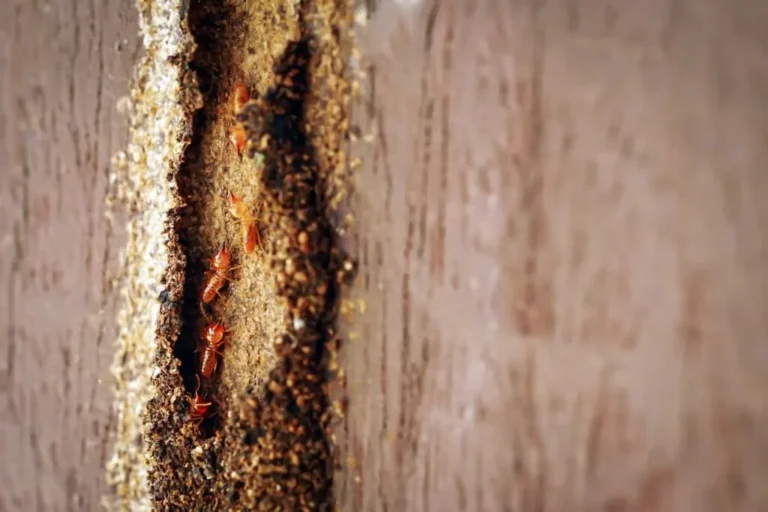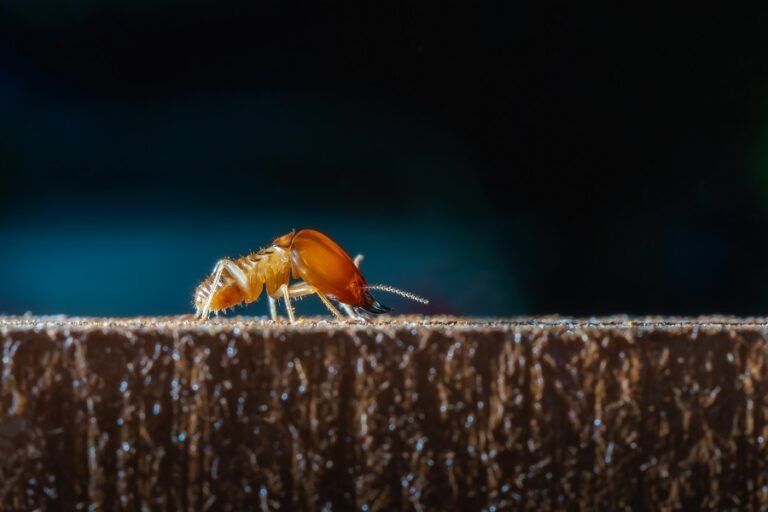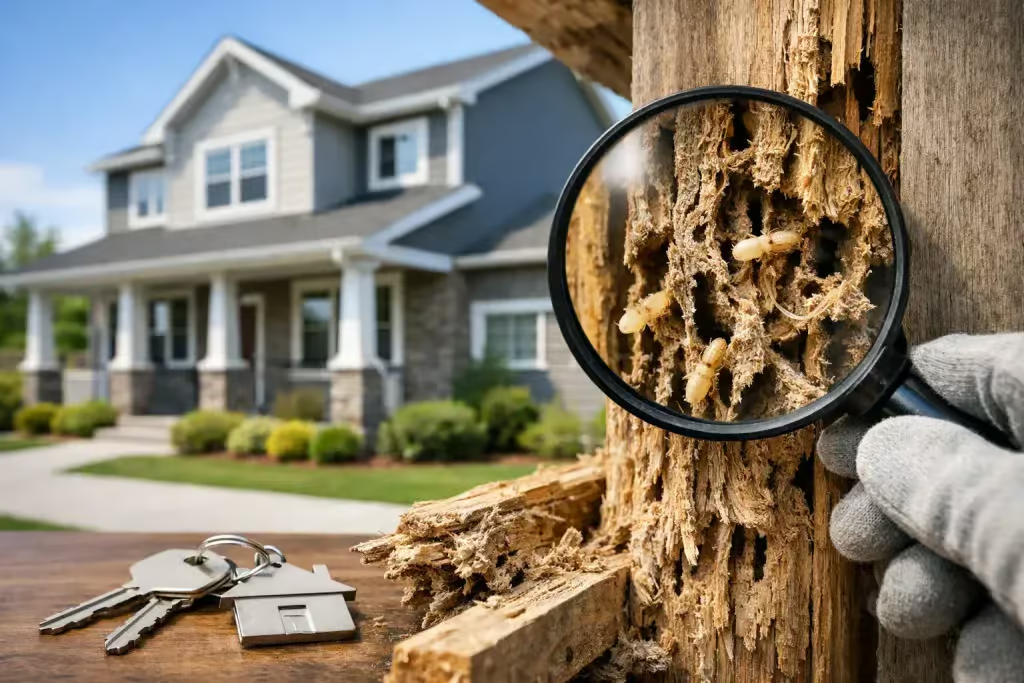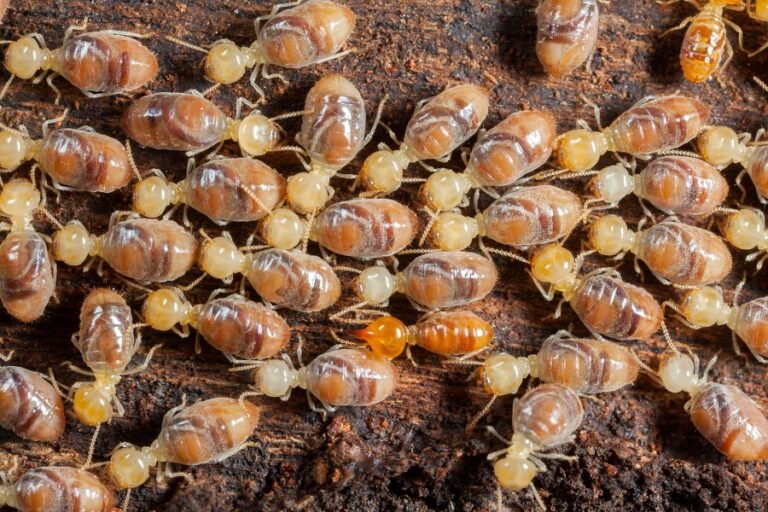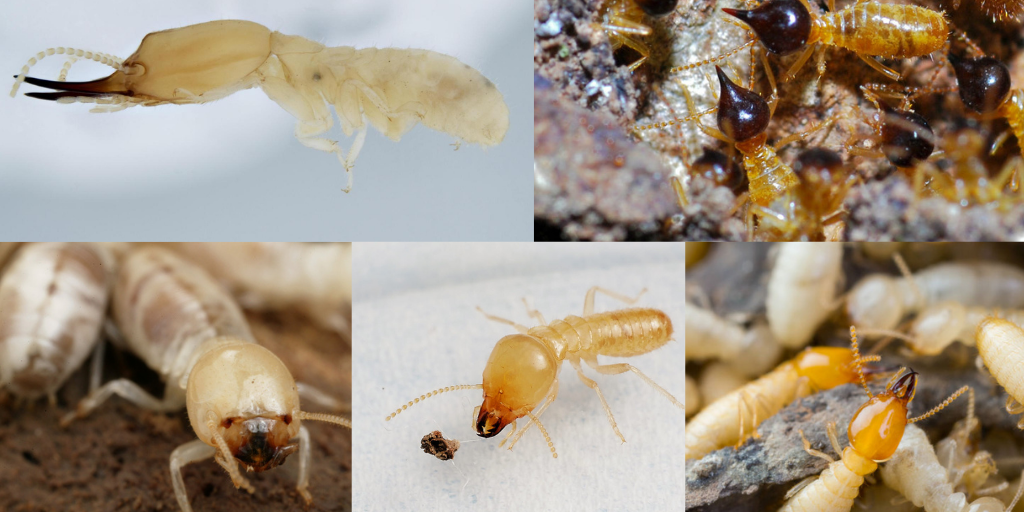
Finding out you have termites is enough to make any homeowner’s skin crawl—and their wallet ache. These “silent destroyers” cause over $5 billion in property damage every year in the U.S. alone, often hidden behind drywall or under floorboards until the structural integrity is compromised.
If you’ve discovered an infestation, the “wait and see” approach is a recipe for disaster. But with so many options on the market, which one is right for your home? From liquid barriers to high-tech baiting systems, we’re breaking down the different types of termite treatments to help you protect your biggest investment.
Liquid Soil Termiticides (The Protective Perimeter)
Liquid soil treatments represent the gold standard in subterranean termite prevention. By applying a specialized chemical solution into the ground surrounding your home’s foundation, professionals create an impenetrable “treated zone.” This chemical wall acts as a frontline defense, stopping termites in their tracks before they can ever reach your wooden structures. It is a proactive, heavy-duty strategy designed to offer comprehensive peace of mind by securing the entire footprint of your property against silent invaders.
How it Works?
The application process is meticulous and systematic. Technicians typically dig a shallow trench around the exterior perimeter and utilize “rodding” to inject the termiticide deep into the soil. For homes with attached porches or garages, small holes are drilled through concrete slabs to ensure the barrier remains continuous. This method ensures that every potential entry point is effectively sealed off.
Repellent vs. Non-Repellent
Repellent treatments act like a “Keep Out” sign, turning termites away upon contact. However, if a tiny gap exists, termites will find it. In contrast, non-repellent formulas are invisible to pests. Termites tunnel through the treated soil without realization, eventually ingesting the chemical and transferring it to the entire colony through social grooming, leading to a much more thorough elimination.
Longevity
One of the primary advantages of a professional liquid soil application is its impressive durability. When applied correctly under optimal soil conditions, these barriers typically provide robust protection for five to ten years. While environmental factors like heavy flooding or soil erosion can impact the timeline, annual inspections ensure the perimeter remains intact, providing a decade of structural security for your investment.
Termite Baiting Systems (The Colony Killer)
Termite baiting systems offer a sophisticated, long-term solution for total colony elimination. Unlike traditional barriers that simply redirect pests, baiting systems are designed to harness the natural foraging behavior of termites to destroy their home base. This method is highly targeted and discreet, making it an ideal choice for homeowners who prefer a less invasive approach that actively reduces the local termite population rather than just shielding the structure.
How it Works?
The process begins by installing specialized bait stations into the ground at strategic intervals around the property. These stations contain a cellulose-based material that termites find more appealing than standard wood. As foraging termites discover these stations, they begin feeding on the bait and unknowingly recruit other members of the colony to the site, establishing a consistent feeding loop.
The “Trojan Horse” Effect
The true power of this system lies in its slow-acting chemistry. The bait contains an active ingredient that inhibits the molting process, which termites must undergo to survive. Because the effect isn’t immediate, the worker termites successfully carry the toxin back to the heart of the nest, sharing it with the queen and soldiers before the colony realizes the danger.
Pros
Baiting systems are remarkably eco-friendly, using very small amounts of chemicals contained within tamper-resistant stations. They require no drilling into your foundation or floors, making the installation process clean, quiet, and perfectly suited for homes with beautiful landscaping or complex architecture.
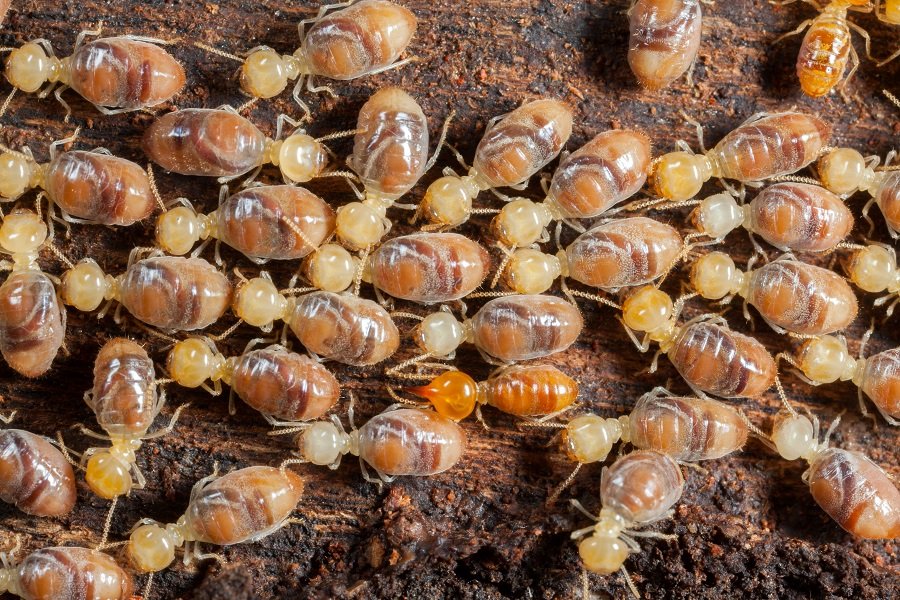
Wood Treatments (Direct Protection)
Wood treatments provide a specialized layer of defense by making the actual structural components of your home inedible to pests. Unlike soil-based methods that focus on the surrounding environment, direct wood applications ensure that the timber itself becomes a hostile environment for termites. This approach is highly effective during construction or remodeling, offering a permanent or long-lasting solution that protects the “bones” of your building from the inside out.
Borate Sprays
Borate-based solutions are a favorite for proactive homeowners and builders. When applied to raw, unfinished wood, the mineral salts soak deep into the fibers. Since termites must ingest the wood to survive, the borate acts as a powerful metabolic poison. It is also an odorless and low-toxicity option for humans and pets, making it a safe yet ruthless internal shield.
Pressure-Treated Lumber
Pressure-treating involves placing wood in a giant pressurized tank where chemical preservatives are forced deep into the grain. This process transforms ordinary timber into a durable, termite-resistant material that is ideal for decks, fence posts, and sill plates. By using wood that is chemically reinforced, you create a structural barrier that can withstand years of exposure to moisture and wood-destroying organisms.
Fumigation (The “Nuclear” Option)
When a termite infestation becomes widespread or reaches inaccessible areas within a structure, localized treatments may no longer suffice. Fumigation is often referred to as the “nuclear” option because it is designed to eliminate every single termite currently residing within the building. This comprehensive approach is particularly effective against drywood termites, which live deep inside structural timbers and can be difficult to target using traditional soil barriers or localized sprays.
How it Works?
The process involves completely sealing the home—usually by covering it with a massive, airtight tent—to contain the treatment. A specialized gas, typically sulfuryl fluoride, is then released into the structure. This gas penetrates deep into the pores of the wood and every wall void, reaching the termites where they live and breathe, ensuring a total 100% eradication of the active population.
The Downside
While incredibly effective, fumigation is a major undertaking that requires significant preparation. Homeowners, pets, and plants must vacate the property for several days, and all food or medications must be specially sealed or removed. Furthermore, fumigation provides no residual protection; once the gas dissipates, there is nothing left in the wood to prevent a new colony from moving back in immediately.
Comparison: Which Treatment Do You Need?
| Treatment Type | Best For | Primary Benefit |
| Liquid Barrier | Subterranean termites | Immediate, long-lasting protection. |
| Baiting Systems | Long-term colony elimination | Non-invasive and eco-friendly. |
| Wood Treatments | New builds/Remodels | Stops termites from eating the frame. |
| Fumigation | Severe Drywood infestations | 100% elimination of active pests. |
Final Thoughts
Choosing the right termite treatment depends on your home’s construction and the specific infestation level. Whether you opt for a long-lasting liquid barrier, an eco-friendly baiting system, or comprehensive fumigation, early intervention is essential to prevent structural damage. Always consult a licensed professional to conduct a thorough inspection and implement a customized defense strategy that secures your property for years.