If you own a home in Pleasanton, California, you already know how wonderful the East Bay region is—from the scenic views of the Tri-Valley to the vibrant neighborhoods. However, the local climate and regional environment also create ideal conditions for one of a homeowner’s worst nightmares: termites.
Often called “silent destroyers,” termites cause billions of dollars in property damage annually because they eat away at a house’s structural timber from the inside out. Understanding the specific termite problems faced by Pleasanton homeowners is the first step in safeguarding your biggest investment.
The Main Culprits: Termite Species in Pleasanton
Not all termites behave the same way. In Pleasanton and the broader East Bay, homeowners typically contend with two primary species, with a third occasional visitor:
Western Subterranean Termites
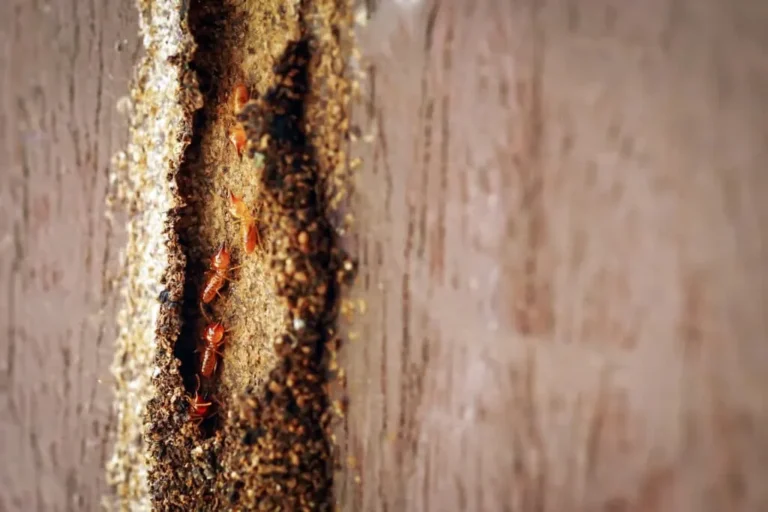
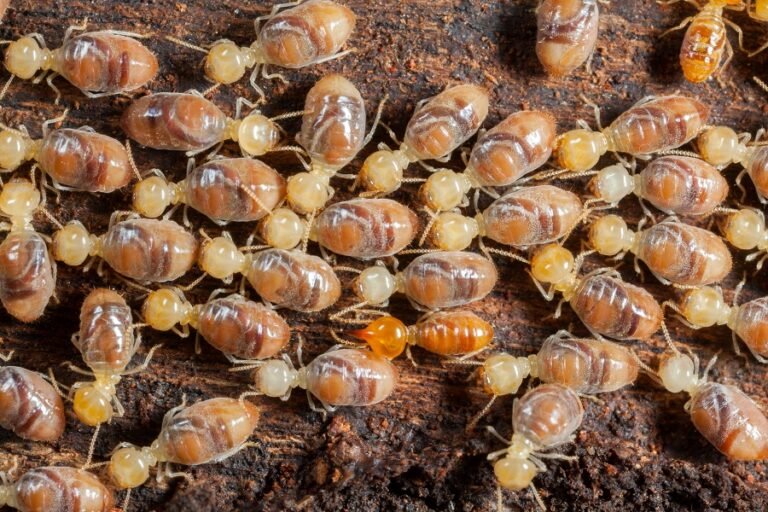
These are the most prevalent and destructive termites in the area. Living in large underground colonies, they build intricate mud tubes to travel from the soil to your home’s framing. They thrive on dampness and can consume structural softwoods rapidly.
Western Drywood Termites
Unlike subterranean species, drywood termites do not need contact with the soil. They infest dry, sound wood—such as roof framing, eaves, window and door frames, and hardwood floors. They carve galleries directly into the timber and push their droppings out through tiny “kick-out holes”.
Pacific Dampwood Termites
While less common than the first two, the cooler, micro-climates of the East Bay can occasionally attract dampwood termites. As their name suggests, they target wood with high moisture content, often indicating a hidden plumbing leak or severe drainage issue.
Common Termite Issues and Red Flags in Local Homes
Because termites operate hidden behind walls, under floors, and inside crawlspaces, homeowners often do not realize they have a problem until significant damage has occurred. Watch out for these common issues:
Mud Tubes Along the Foundation
If you have subterranean termites, you may spot pencil-width mud tunnels running up your concrete foundation walls or across structural piers in your crawlspace. These tubes protect the moisture-sensitive insects from the open air as they travel between the soil and your home’s wooden infrastructure.
Piles of “Frass” (Termite Droppings)
A classic sign of a drywood termite infestation is the appearance of small, hard fecal pellets that look like tiny mounds of sawdust, sand, or coffee grounds. If you notice these piles accumulating on windowsills, baseboards, or hardwood floors beneath kick-out holes, you likely have an active drywood colony overhead.
Hollow-Sounding or Blistered Wood
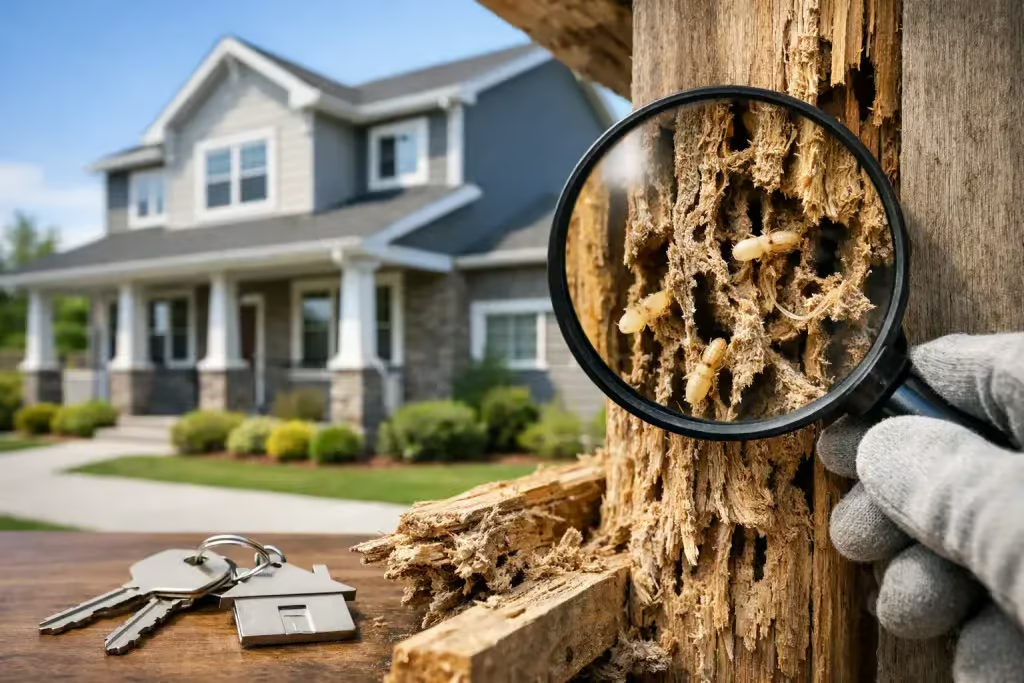
Because termites hollow out wood from the inside, beams, baseboards, and trim may look completely normal on the exterior while being structurally compromised underneath. Tapping on wood elements that sound hollow, or noticing paint that is bubbling, blistering, or sagging, are classic indicators of internal termite activity.
Swarmers and Discarded Wings
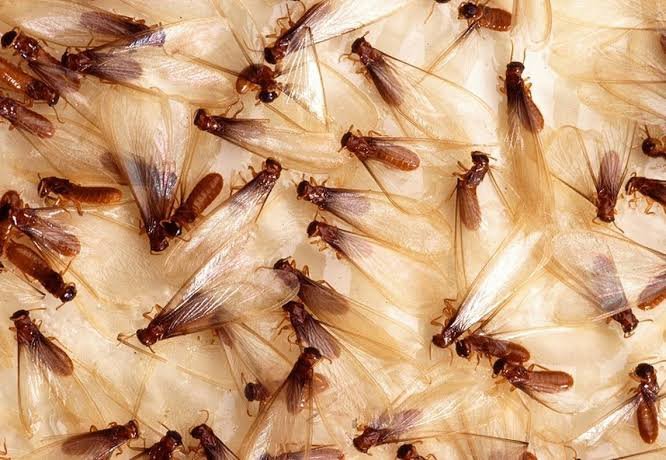
Mature colonies send out reproductive winged termites (swarmers) to start new nests, usually during the warmer months or after seasonal changes. Finding a cluster of dead swarmers—or piles of identical, uniform wings stacked near windowsills and light fixtures—is a glaring sign that a mature colony is nearby.
Why Pleasanton Homes Are Vulnerable?
Several regional factors make Pleasanton homes prime targets for wood-destroying pests:
Raised Foundation Architecture
Many Pleasanton homes feature raised foundations with crawlspaces underneath. While great for ventilation, these dark, humid spaces trap moisture and provide hidden entry points for subterranean termites, allowing them to quietly access your home’s wooden framework without being easily detected by routine visual sweeps.
Landscaping and Vegetation
Lush yards, dense shrubbery, and wood mulch or firewood stacked against exterior walls create an easy bridge for pests. When moisture-holding organic matter touches siding, it invites termites to transition directly from your yard into your house framing, increasing your home’s vulnerability.
Aging Infrastructure
Established Pleasanton neighborhoods feature older, charming construction. Over decades, minor roof leaks, plumbing issues, or wood-to-soil contact in older decks and fences degrade the timber. This softened, weathered wood provides the ideal food source and environment that active termite colonies crave.
How to Protect Your Pleasanton Home?
Prevention and early detection are your best defenses against costly termite repairs:
Manage Moisture
Termites thrive in damp environments. Fix leaky plumbing promptly, ensure proper yard drainage away from your foundation, and keep crawlspaces well-ventilated. Reducing excess humidity removes the critical hydration subterranean and dampwood termites need to survive, making your home a much less attractive target.
Clear Wood-to-Soil Contact
Never let wooden siding, deck posts, or door frames touch the dirt. Keep firewood, scrap lumber, and wood mulch at least a few feet away from your foundation walls. Creating a physical barrier stops pests from easily bridging the gap between the soil and your house framing.
Schedule Professional Inspections
Because termites can silently compromise structural timber for years, routine annual inspections by a licensed California pest control expert are essential. Professionals have the tools and training to catch hidden infestations early, saving you from expensive structural repairs down the road.
Conclusion
Termites pose a hidden yet serious threat to Pleasanton homes. By understanding local risks, managing moisture, and scheduling regular professional inspections, you can protect your property from costly structural damage. Don’t wait for visible destruction—stay proactive and safeguard your home’s long-term value today.