For homeowners in Fremont, protecting a house means managing everything from microclimates—like the cool bay breeze in Niles—to ongoing foundation care. However, one of the biggest hidden threats to your home’s structural integrity works quietly beneath the surface: termites.
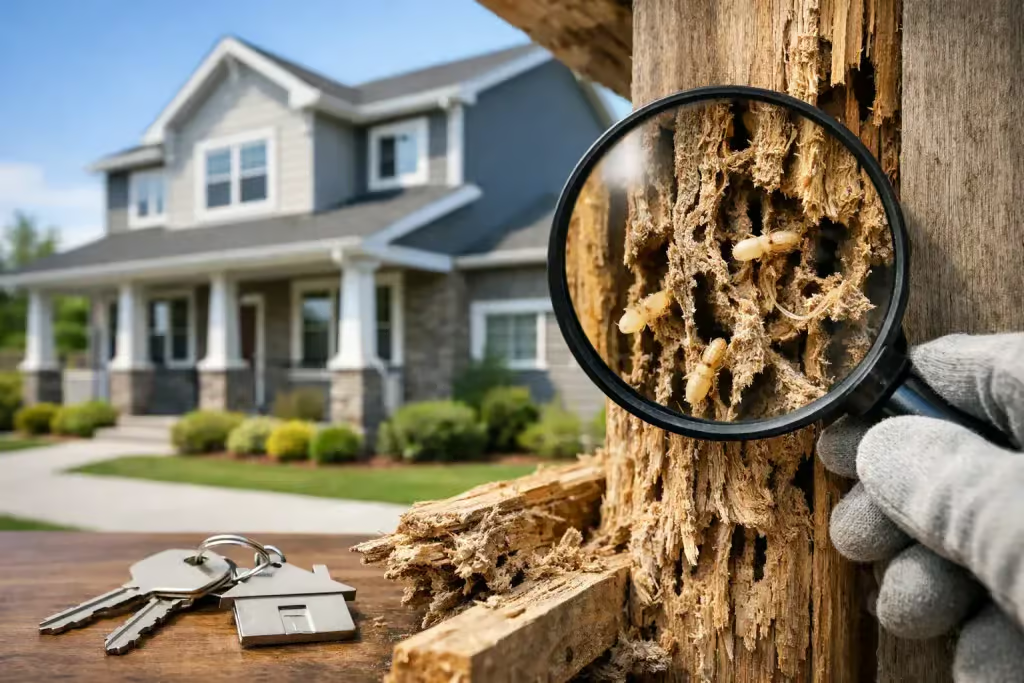
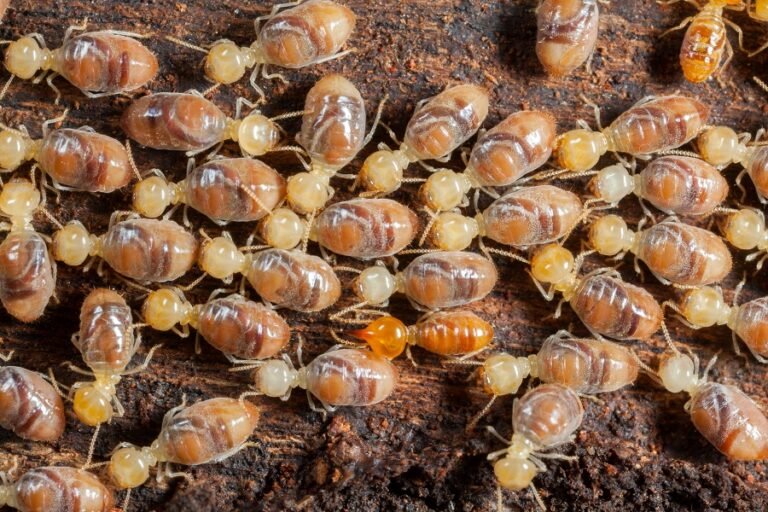
Because of the Bay Area’s mild climate, California is home to both subterranean termites (which live underground and build mud tunnels) and drywood termites (which nest directly inside wooden structures). Known as “silent destroyers,” these pests can cause thousands of dollars in damage long before you spot an actual insect.
The key to preventing costly structural repairs is knowing what subtle warning signs to look for. Here is your complete guide on how Fremont homeowners can detect termite damage early.
Top Early Warning Signs of Termites in Fremont Homes
Termites rarely make themselves visible, but they do leave behind subtle evidence of their presence. Check your property for these six early warning signs:
Pencil-Sized Mud Tubes Near the Foundation
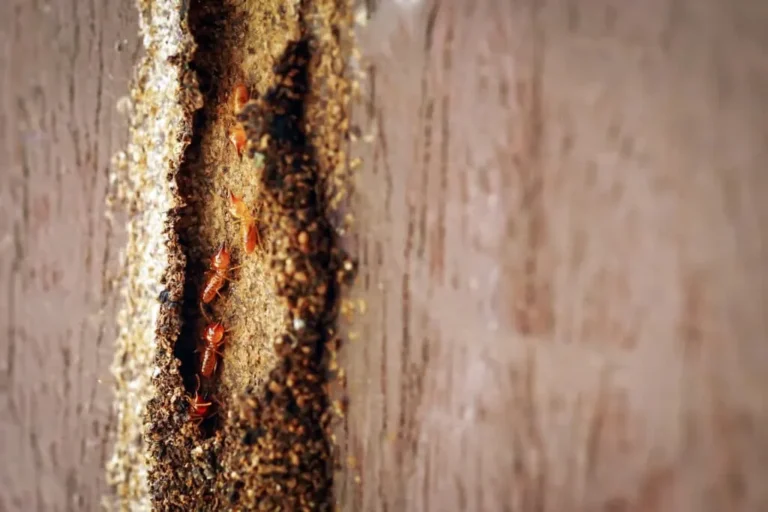
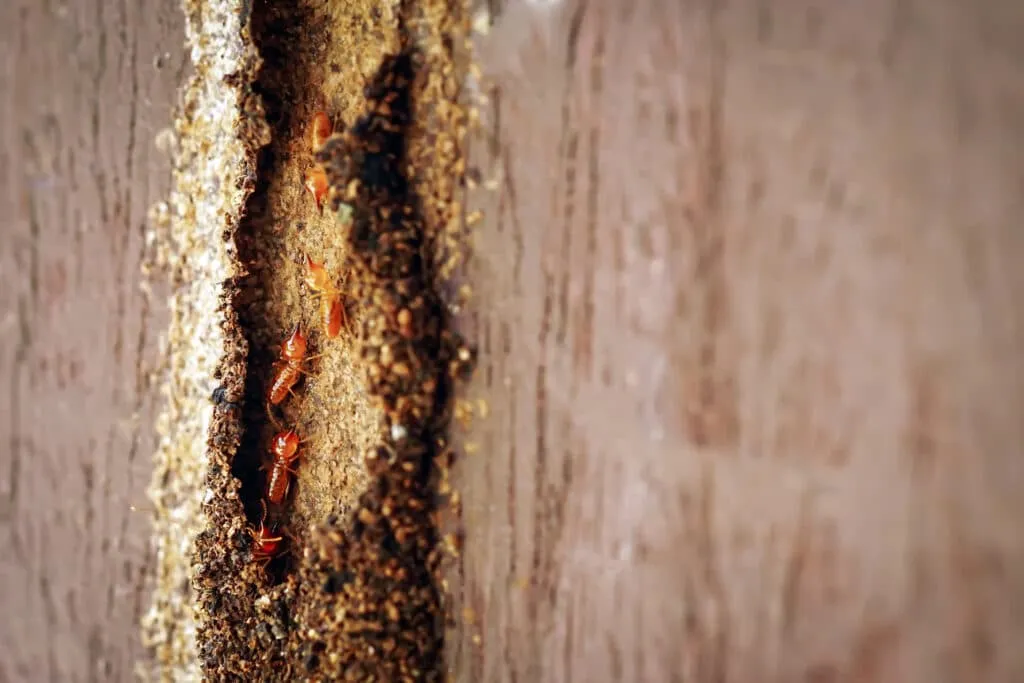
Subterranean termites require moisture to survive as they travel between underground nests and structural wood. To protect themselves from dry air and predators, they build pencil-sized mud tubes made of soil, saliva, and wood fibers. These earthen tunnels act as safe highways. Finding these structures attached to your concrete foundation, crawlspace walls, or exterior brickwork is one of the most definitive signs of an active colony.
Where to Look?
Inspect your concrete perimeter closely, focusing on areas where soil touches wood siding, decks, or porches. Check damp, dark spaces in your crawlspace, around concrete piers, and near exterior plumbing lines. Look behind dense foundation plants and sprinkler heads, as chronic moisture makes these spots prime targets for subterranean termite travel paths.
Red Flag
Finding pencil-thin, earthy brown lines running vertically up your foundation or interior walls is a major emergency indicator. Do not attempt to wash them away or break them open casually; this signals an active subterranean infestation that is already exploiting your home’s framing. Schedule a professional pest inspection immediately to assess the damage.
Discarded Wings Near Windows and Doors
During warm spring days and early fall, mature reproductive termites—known as swarmers—leave their established colonies in search of a mate to start a new nest. After taking flight, these insects land and intentionally twist off their wings, which they no longer need. Spotting these discarded body parts indoors is a clear indicator that a mature, hidden colony is living nearby and attempting to expand.
Where to Look?
Check all high-illumination zones in your home where light attracts flying insects. Carefully examine windowsills, sliding glass door tracks, corners of rooms, and entryways. Don’t forget to inspect dark, undisturbed spaces like attics, basements, and crawlspaces, as well as light fixtures, ceiling fans, and indoor spiderwebs where shed wings frequently get caught and collect.
Red Flag
Discovering a small, uniform pile of identical, translucent, silvery-white wings clustered together is a major warning sign. Unlike random insect debris, finding dozens of identical wings in one spot proves that a termite swarm has recently occurred inside or right outside your home. This points to a mature, hidden colony requiring immediate professional investigation.
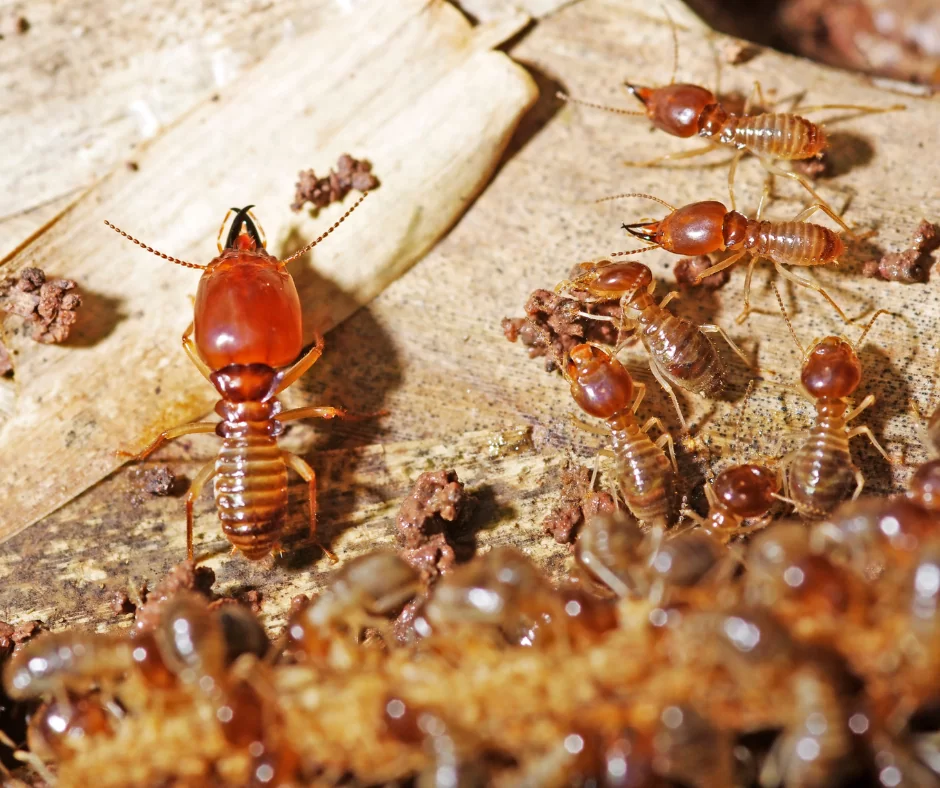
Hollow-Sounding Wood or Paper-Thin Surfaces
Termites feed on wood systematically from the inside out, consuming the cellulose while carefully leaving the outer paint layer or veneer completely intact. Because of this feeding habit, structural timbers and decorative trim can look perfectly normal on the surface while being severely hollowed out underneath. This leaves wooden elements dangerously fragile, brittle, and structurally compromised long before any visual sagging or visible holes appear.
The Tap Test
Take a heavy screwdriver handle, a small rubber mallet, or your knuckles and tap firmly along your baseboards, door frames, window casings, and floor joists. Move systematically across structural wood members in your basement, crawlspace, or garage. Listen closely to the acoustic feedback of the wood as you strike it, comparing the sound of high-traffic areas against suspect zones to spot density changes.
Red Flag
If the wood sounds dull, hollow, or paper-thin when struck—or if your tool easily punches through the outer surface with minimal pressure—termites have hollowed it out. Finding that wood has been reduced to a fragile shell indicates an advanced, hidden infestation. Contact a professional pest control technician immediately to evaluate the structural integrity of your home’s framing.
Frass (Drywood Termite Droppings)
Unlike subterranean termites that use mud to build tunnels, drywood termites nest directly inside the dry wooden structures they consume. To keep their living galleries clean, worker termites push their waste out through tiny, specialized kick-out holes. Discovering unexplained piles of tiny pellets inside your living space is one of the most definitive indicators that an active drywood termite colony is currently infesting your home.
What it Looks Like?
Drywood termite droppings, known as frass, consist of tiny, hard, elongated pellets featuring six distinct concave sides. Because of their unique shape and texture, they closely resemble fine sand, coarse ground pepper, or tiny coffee grounds. When you sweep up a small pile, pay close attention to the individual grains; if they look uniform and geometric rather than like standard household dust, you are dealing with frass.
Where to Look?
Inspect horizontal surfaces directly beneath exposed wooden beams, ceiling joints, and attic rafters. Check carefully along windowsills, inside empty kitchen cabinets, beneath baseboards, and in dark corners of closets or garages. Always look straight up from where you find the debris to locate the tiny kick-out hole in the wood or drywall where the termites are actively pushing the waste out.
Windows and Doors That Suddenly Stick
As termites tunnel extensively through wood framing, they introduce high levels of moisture and consume the interior structural support. This feeding activity causes wooden window frames and door jambs to swell, warp, and shift out of alignment. While seasonal humidity can occasionally cause minor sticking, unexplained tightness or jamming across multiple doors and windows is a major structural red flag indicating hidden termite damage.
15-Minute DIY Home Inspection Checklist for Fremont Residents
Catching an infestation early requires quick, routine checks around your home. Walk through this inspection checklist once every season:
| Inspection Area | What to Look for? | Action Needed |
| Exterior Foundation | Mud tubes, soil touching wood siding, or wood mulch piled against walls | Pull mulch back 6–12 inches; clear dirt away from wood elements. |
| Crawlspace / Basement | Damp soil, sagging joists, or shelter tubes on concrete piers | Fix active leaks and install a proper vapor barrier if needed. |
| Attic & Framing | Pellets (frass), hollow trim, or discarded wings near vents | Sweep up frass to monitor if new droppings appear; check vents. |
| Windows & Trim | Stuck frames, small pinholes in drywall, or wing clusters | Tap the wood to check density; inspect sills for shed wings. |
Fremont-Specific Termite Risk Factors
Why are homes in Fremont particularly prone to termite activity?
Older Housing Stock
Neighborhoods like Centerville, Sundale, and Irvington feature homes built with mature wood framing, offering an abundant food source for wood-boring pests.
Landscaping Practices
Mulch beds, wooden fence posts touching the ground, and stacked firewood near exterior walls give termites a direct bridge into your foundation.
Irrigation and Bay Moisture
Over-irrigated lawns and damp crawlspaces create the exact humid conditions subterranean termites need to thrive.
When to Call a Professional?
While early detection starts with a vigilant homeowner, surface inspections cannot detect damage hidden deep inside load-bearing studs, subfloors, or roof trusses.
If you spot mud tubes, discarded wings, or hollow wood around your property, avoid disturbing the area and schedule a professional inspection immediately. Licensed pest control operators use specialized moisture meters, probing tools, and thermal imaging to locate the nest and apply targeted, long-term treatments.
Protect Your Fremont Home Today!
Early detection is always significantly cheaper than structural repairs. By inspecting your foundation, monitoring moisture levels, and catching subtle warning signs early, you can keep your home safe from termite damage year-round.