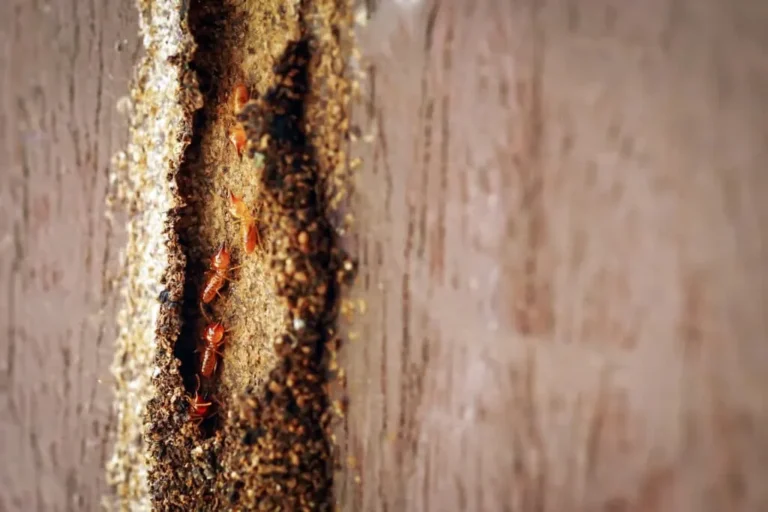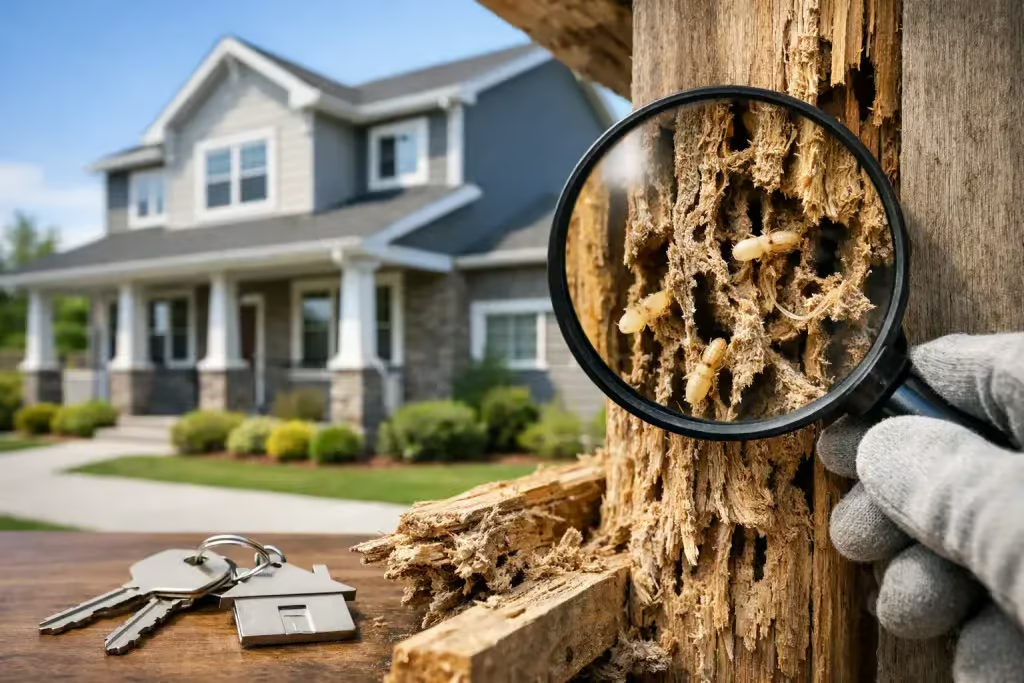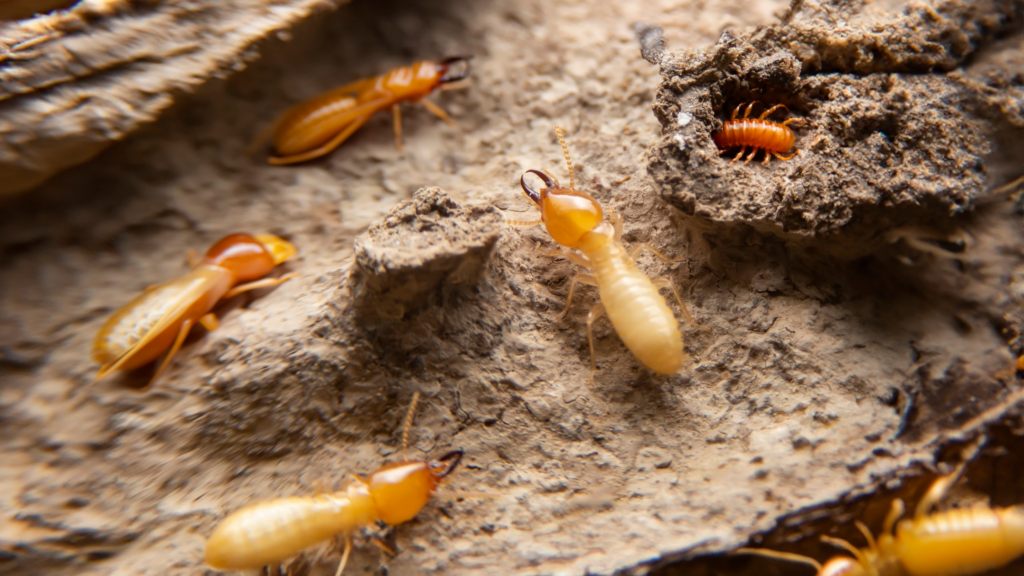
Nestled in the East Bay region of the San Francisco Bay Area, Dublin, CA, is a rapidly growing community known for its fantastic parks, beautiful neighborhoods, and mix of historic properties and modern builds. However, the local climate and regional environment also make it a prime target for one of homeownership’s most silent enemies: termites.
Whether you’ve lived in Dublin for decades or just purchased a newly constructed home, understanding how termite control works in the area can save you thousands of dollars in structural repairs.
Why Dublin Homes Are Vulnerable to Termites?
Termites thrive in environments that offer a balance of warmth, moisture, and cellulose (wood). The East Bay climate—featuring warm, dry summers and cooler, wetter winters—creates ideal conditions for subterranean and drywood termites to seek out shelter and food sources inside residential and commercial properties.
No matter if you live in an established neighborhood near the historic center or a newer development, no structure is entirely immune. Because termites feed on wood from the inside out, an infestation can go completely unnoticed for months—or even years—until major structural damage has already occurred.
Common Signs Your Dublin Property Has Termites
Catching a termite problem early is the key to preventing extensive damage. Keep an eye out for these warning signs around your house:
Discarded Wings
Finding tiny, uniform wings near windowsills or baseboards is often the first visible warning sign of a termite swarm. Once reproductive swarmers find a mate, they shed their wings to start a new colony, making these discarded remnants a clear indicator that destructive pests are nearby.
Mud Tubes
Subterranean termites construct pencil-thin mud tubes along exterior foundation walls, concrete, and crawl spaces. These protective tunnels shield moisture-sensitive workers from dry air and predators, serving as visible highways connecting their underground nests directly to your home’s wooden framework.
Frass (Droppings)
Drywood termites consume wood and push out their waste through tiny kick-out holes. This accumulated frass resembles small piles of sawdust, sand, or coffee grounds. Discovering these granular pellets near wooden structures or furniture usually points to an active interior infestation.
Hollowed Wood
Termites feed primarily on cellulose from the inside out, leaving only a thin outer shell intact. If your baseboards, door frames, or structural beams sound papery or hollow when tapped, it means pests have already eaten away the inner core of the wood.
Sticking Doors or Windows
As termites silently chew through vital structural supports and framing timbers, moisture changes and structural shifts can cause your home to warp. If doors and windows suddenly begin sticking, jamming, or refusing to close properly, hidden termite damage could be the underlying culprit.
Termite Treatment Options in Dublin, CA
When professional pest control technicians inspect a property in Dublin, they typically recommend solutions tailored to the severity and species of the infestation. Common options include:
- Localized Spot Treatments
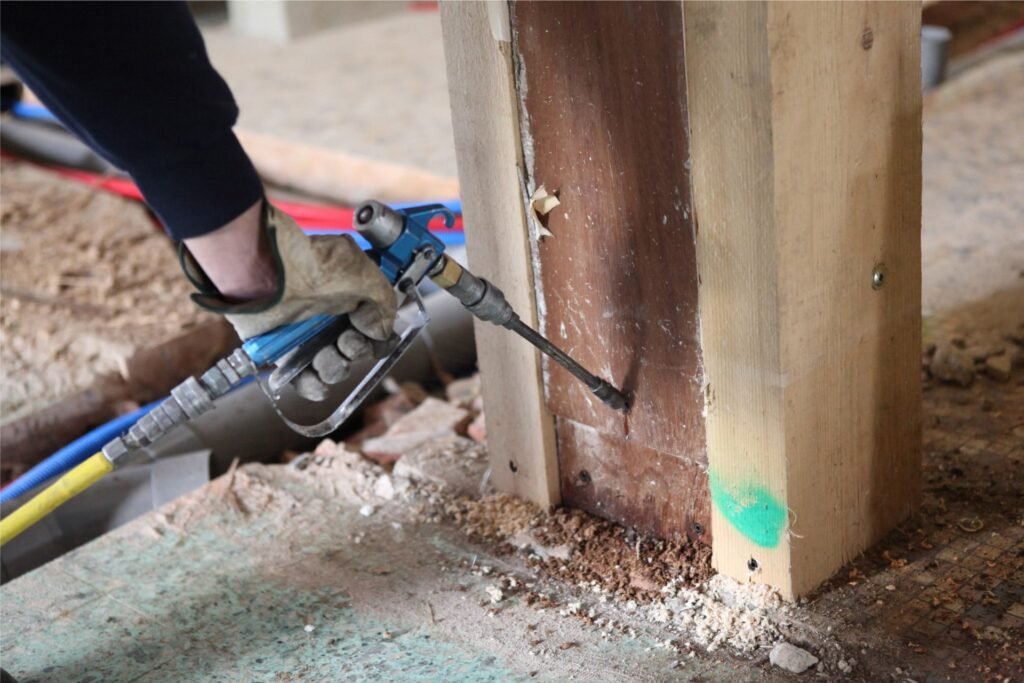
Ideal for minor or isolated drywood infestations, spot treatments target specific affected areas using specialized liquids, foams, or eco-friendly deterrents. This method directly eliminates localized colonies without requiring you to vacate the property, making it a convenient solution for targeted pest problems.
- Fumigation (Tenting)
For widespread or severe infestations affecting the entire structure, full-property fumigation is the most comprehensive solution. The house is securely sealed under a tent and treated with a gas gasifier that penetrates every hidden space, eradicating termites throughout the entire framework simultaneously.
- Subterranean Termite Baiting and Liquid Barriers
Because subterranean termites originate underground, this dual approach establishes a protective chemical barrier around your soil perimeter while deploying strategic bait stations. Worker termites consume the slow-acting bait and carry it back, successfully eliminating the entire colony at the source.
Proactive Prevention Tips for Homeowners
Prevention is always more cost-effective than remediation. You can protect your Dublin property by taking a few proactive steps:
Manage Moisture
Termites thrive in high-humidity environments and damp wood. Fix leaky plumbing promptly, clean out clogged gutters regularly, and ensure your yard drainage slopes away from the foundation. Keeping your crawl spaces dry and well-ventilated drastically reduces the appeal of your home to moisture-seeking pests.
Keep Space Clear
Never store firewood, lumber, or thick mulch directly against your home’s exterior walls or foundation. Maintain a clear clearance zone of several inches between soil and wooden siding. This eliminates easy pathways and accessible food sources that invite foraging termites straight into your house.
Seal Entry Points
Inspect the exterior of your Dublin property regularly for tiny cracks and crevices. Use quality caulk and weatherstripping to seal gaps around foundations, utility lines, windows, and doors. Blocking these minuscule entry points prevents wandering pests from gaining easy access to your indoor spaces.
Schedule Regular Inspections
The most reliable defense against silent wood destroyers is a professional checkup. Schedule a thorough termite inspection at least every one to three years. Licensed local experts can detect hidden activity early, saving you from expensive structural repairs and protecting your long-term investment.
Protect Your Investment Today!
Termites may work silently, but you don’t have to wait until it’s too late. Partnering with a licensed local pest control professional in Dublin, CA, ensures your property gets an accurate assessment and a targeted treatment plan designed to withstand local environmental pressures.
Are you noticing potential signs of wood damage, or is it simply time for your annual preventative checkup? Schedule a professional termite inspection today to keep your Dublin home safe and structurally sound.