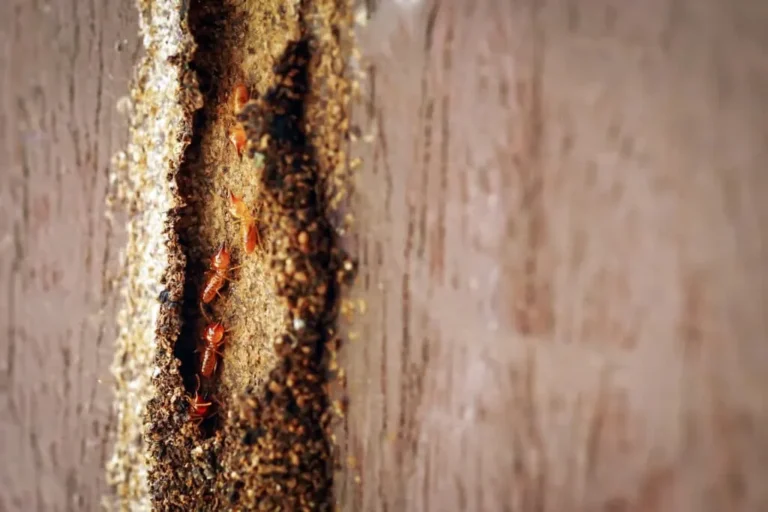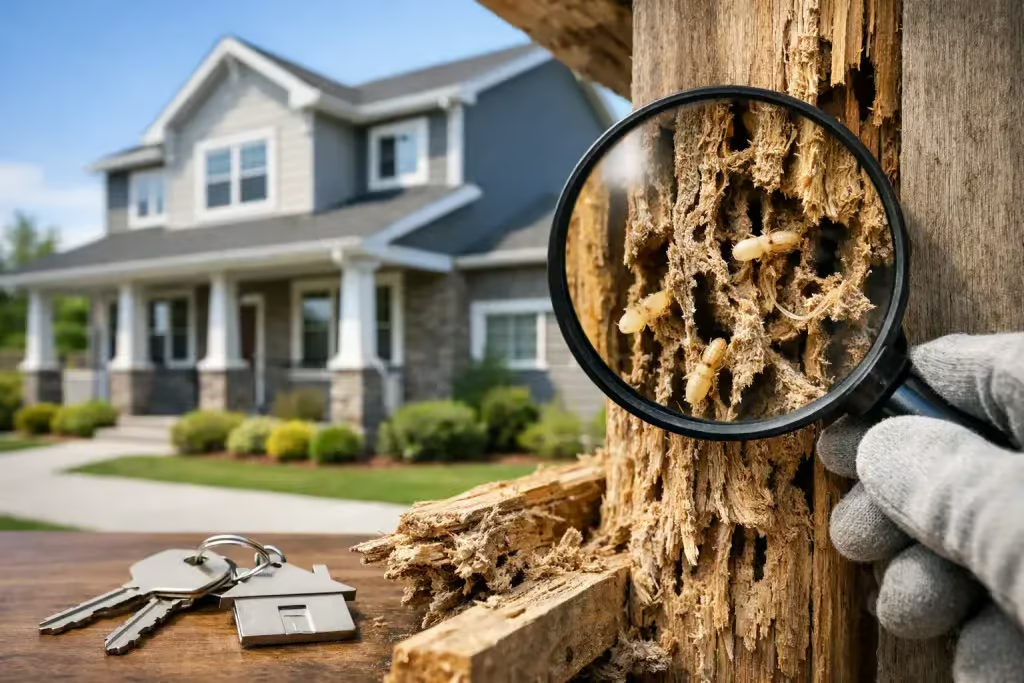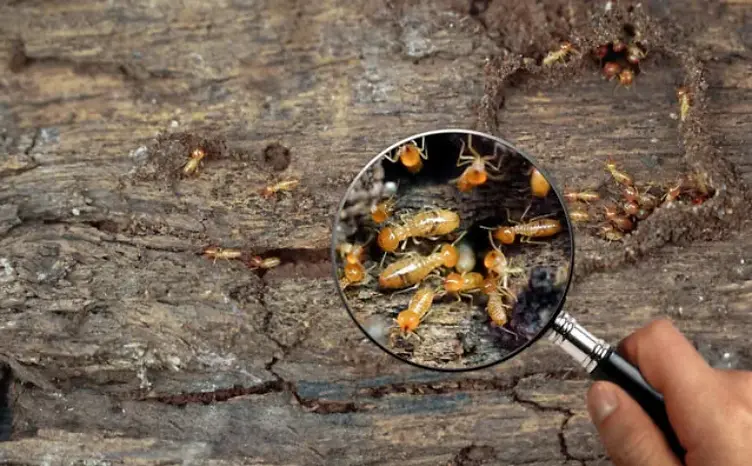
For California homeowners, termites aren’t just a minor nuisance—they are a high-stakes financial threat. Because of the state’s warm climate and diverse ecosystems, wood-destroying pests remain active year-round. Left unchecked, these silent destroyers can compromise structural integrity and rack up thousands of dollars in property damage before you even realize they are there.
So, just how often should you schedule a professional termite inspection in the Golden State? The short answer is at least once every 1 to 2 years for most homes, though several environmental and structural factors can dictate a tighter schedule.
General Guidelines: What’s the Magic Number?
While a blanket rule doesn’t fit every single property, pest control experts and the University of California’s Statewide Integrated Pest Management Program (UC IPM) generally categorize inspection frequency by risk level:
High-Risk Homes (Annually)
Properties over 20 years old, those in warm Southern California regions, or homes with past infestations require annual evaluations. Because local climates allow these pests to thrive year-round, yearly checks stop aggressive colonies from causing severe structural damage before detection.
Medium-Risk Homes (Every 1 to 2 Years)
Standard suburban properties with no prior pest history should schedule evaluations every 12 to 24 months. This timeline balances robust preventative defense with practicality, catching early warning signs of subterranean or drywood activity before minor vulnerabilities escalate into costly repairs.
Low-Risk Homes (Every 3 to 5 Years)
Newer constructions under a decade old featuring modern concrete slab foundations and strict preventative treatments can typically stretch evaluations to every 3 to 5 years. However, maintaining vigilance is still essential to protect your investment over the long term.
Why California Homes are Prime Targets?
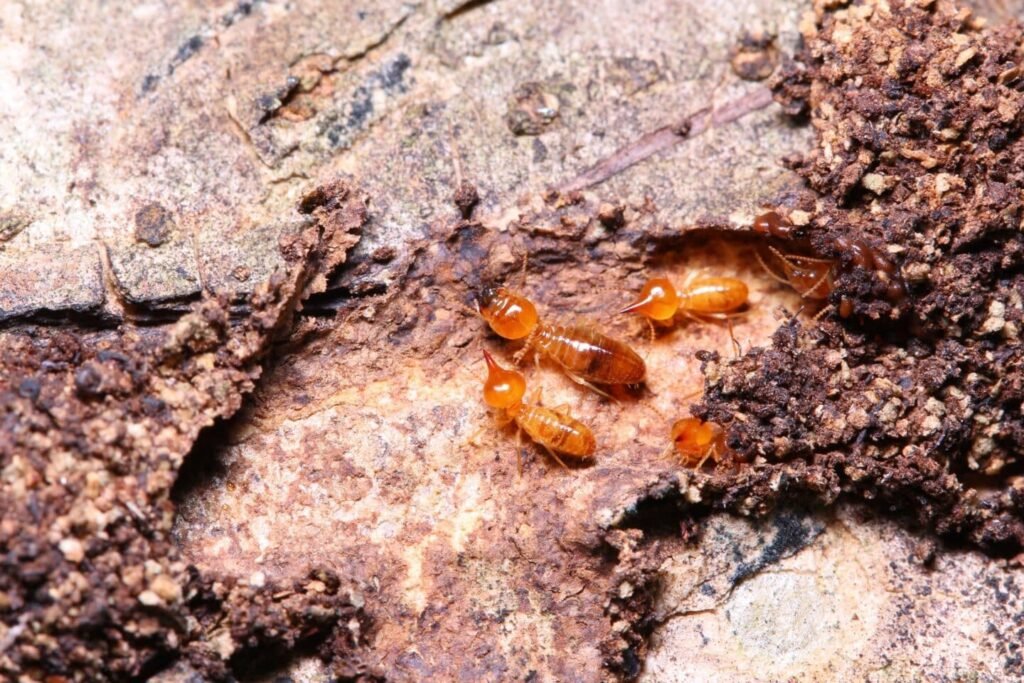
California’s unique geography creates a paradise for two main types of termites:
Subterranean Termites
Operating from underground nests, these aggressive pests build mud tubes to access your home’s framing. Thriving in moist soil throughout California, they feed continuously. Because they attack structural wood from the foundation upward, their hidden destruction often goes unnoticed until severe structural compromise occurs.
Drywood Termites
Unlike ground-dwelling species, drywood termites fly directly into your home, invading attics, eaves, and structural timbers without needing soil contact. Common in coastal and Southern California areas, they leave behind tiny pellet-like frass and hollow out wood framing, requiring specialized treatments to eradicate.
Key Factors That Dictate Your Inspection Schedule
If you are trying to figure out where your property falls on the spectrum, consider these four variables:
Geographic Location
Your home’s microclimate plays a major role in termite vulnerability. Properties situated in warm Southern California valleys, humid coastal zones, or areas near dense brush face significantly higher pest pressure, necessitating much more frequent professional inspections than homes in cooler, drier mountain regions.
Property Age
Older homes feature seasoned lumber and historical building practices that lack modern preventative barriers. As wood ages and settles, minor cracks and gaps develop, making properties over twenty years old inherently more susceptible to aggressive pest invasions and requiring rigorous inspection schedules.
Previous Infestations
If your property has ever battled wood-destroying pests in the past, it remains statistically vulnerable to future attacks. Residual damage, repaired framing, or lingering environmental conditions mean previous victims must maintain strict annual inspection habits to ensure new colonies haven’t breached perimeter defenses.
Property Surroundings
External elements directly influence your home’s risk level. Storing firewood against exterior walls, maintaining dense landscape foliage, or leaving unmanaged tree stumps nearby creates an open invitation. Inspecting and modifying your immediate perimeter helps deter pests from migrating straight from your yard into your living spaces.
Red Flags: When to Call an Inspector Immediately?
Don’t wait for your scheduled 1- or 2-year window if you spot warning signs. Schedule an immediate inspection if you notice:
Frass
Drywood termites push out their droppings through tiny kick-out holes, leaving behind small, hard, hexagonal pellets that resemble piles of sawdust or coffee grounds. Finding these mysterious little mounds on windowsills or baseboards is a definitive warning sign of an active infestation nearby.
Mud Tubes
Subterranean termites construct pencil-sized, brownish tunnels made of soil and chewed wood to travel between their underground nests and your home’s framing. These exterior pathways protect them from dry air, making their presence along foundations or crawl space walls an urgent call for inspection.
Discarded Wings
During mating season, reproductive swarmers shed their wings after finding a new nesting site. Discovering small, uniform, translucent wings piled up near windows, doors, or light fixtures indicates that a swarm has recently landed and may be establishing a new colony inside your home.
Hollow Wood
Termites consume structural timber from the inside out, often leaving just a thin veneer of paint or wood on the surface. If baseboards, doors, or floorboards sound papery or hollow when tapped, it means structural wood has already been severely compromised by hidden pests.
Blistering Paint
Subterranean or dampwood activity near the surface can trap moisture and create bubbles beneath wall paint, making it look blistered, uneven, or water-damaged. Property owners often mistake this for a plumbing leak, failing to realize hungry pests are tunneling just millimeters beneath the drywall.
Real Estate Transactions vs. Routine Maintenance
Keep in mind that routine homeowner maintenance inspections are different from escrow termite inspections. In California, a termite report (often completed by a licensed Branch 3 pest operator) is almost always required when buying or selling a home. However, relying solely on real estate transactions is risky—homes can go 5 to 10 years changing hands, which is more than enough time for hidden termites to hollow out structural beams.
Protect Your Investment!
Proactive prevention is vastly cheaper than structural remediation. By committing to a regular inspection schedule tailored to your region of California, you can catch minor vulnerabilities early, protect your property value, and secure total peace of mind.