For homeowners, the word “termites” triggers an immediate sense of urgency. Often called the “silent destroyers,” these pests can chew through the structural integrity of a home without leaving a single visible trace on the outside.
But exactly how much time do you have once they move in? This blog breaks down the termite timeline, the factors that accelerate destruction, and the expert-recommended steps to protect your investment.
The Termite Destruction Timeline: A Reality Check
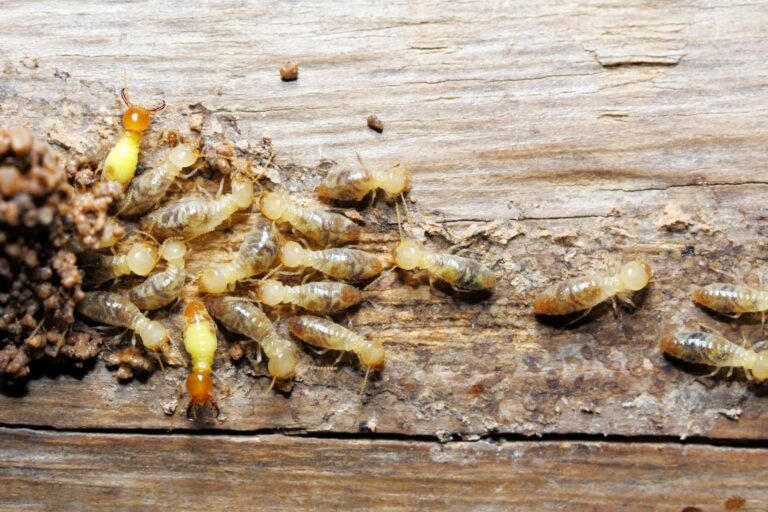
Contrary to popular belief, termites won’t bring a house down overnight. However, their persistence is what makes them dangerous. A single mature colony of Eastern Subterranean Termites (the most common species in the U.S.) can contain anywhere from 60,000 to over a million workers.
The Critical Windows
Termite destruction doesn’t happen in a vacuum; it follows a calculated biological timeline. Understanding these critical windows is essential for homeowners to differentiate between a localized nuisance and a full-scale structural crisis. While a single termite is harmless, the collective power of a mature colony operating within these specific timeframes can silently compromise the safety and market value of your property.
6–12 Months
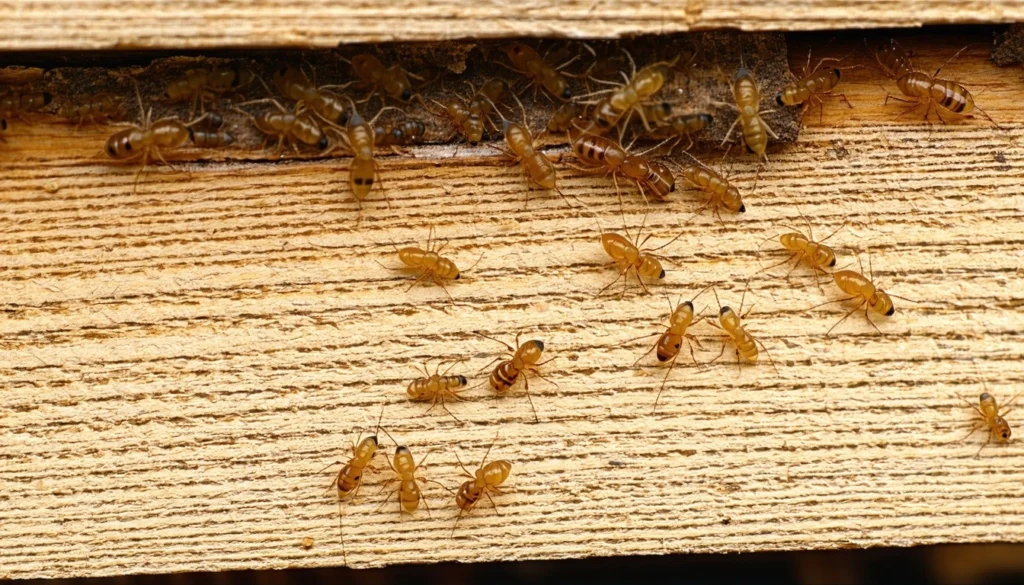
Within the first year, an infestation is often in its “growth phase.” During this six-to-twelve-month window, termites focus on establishing stable foraging routes. While the house remains structurally sound, you may notice subtle red flags: blistering paint, small holes in drywall, or warped trim. Catching activity now prevents the colony from reaching the numbers required for deep structural penetration.
3–8 Years
This timeframe represents the most dangerous phase of an untreated infestation. After three years, a mature colony can consume enough internal wood to cause significant structural failure. By the eight-year mark, support beams, floor joists, and wall studs are often hollowed out. Repairs at this stage are no longer cosmetic; they involve expensive, heavy-duty construction to ensure the home remains habitable.
Factors That Determine the Speed of Damage
Not all infestations move at the same pace. Several environmental and biological factors can put your home’s destruction on the “fast track.”
Termite Species
The Formosan Subterranean Termite is widely considered the most aggressive. While a standard colony might eat a few inches of a 2×4 board in a year, a large Formosan colony can consume enough wood to cause significant structural damage in as little as six months.
Colony Size and Maturity
A young colony with only a few thousand workers moves slowly. However, an established, mature colony with hundreds of thousands of workers feeds 24/7, exponentially increasing the rate of wood consumption.
Moisture Levels
Termites thrive in moisture. Leaky pipes, poor drainage, or high humidity in crawl spaces create a “buffet-friendly” environment. Moist wood is softer and easier for termites to consume, allowing them to expand their territory much faster.
Direct Wood-to-Ground Contact
If your home’s siding or wooden porch supports touch the soil directly, you are providing termites with an “express lane” into your structure.
The True Cost of Delay (2026 Data)
Waiting to treat an infestation is a gamble that rarely pays off. Recent data shows that the financial impact of termite damage is far more than just a “pest control fee.”
| Damage Extent | Typical Repair Costs (2026) | Common Repairs |
| Minor | $300 – $2,000 | Drywall patching, painting, trim replacement. |
| Moderate | $2,000 – $5,000 | Framing repair, subfloor fixes, single beam replacement. |
| Major | $5,000 – $15,000+ | Load-bearing wall replacement, structural beam overhaul. |
Expert Insights: How to Spot the “Silent” Signs
Because termites eat from the inside out, your home might look perfectly fine until the damage is extensive. Experts recommend looking for these three red flags:
Mud Tubes
Pencil-sized tunnels running along your foundation or basement walls. These are “highways” termites use to stay moist while traveling.
Hollow-Sounding Wood
Tap on your baseboards or support beams. If they sound hollow or like “thudding” cardboard, termites may have hollowed out the interior.
Stuck Windows or Doors
As termites consume structural wood, the house can shift slightly, causing frames to warp and doors to become difficult to open.
Conclusion
The speed of termite destruction is a race against time that homeowners cannot afford to lose. While a house won’t collapse in a week, the cumulative impact of an untreated colony leads to devastating financial and structural consequences. By understanding these critical windows and prioritizing professional inspections, you can stop the “silent destroyers” before they compromise your safety. Protect your investment today—vigilance is your most effective tool against total structural failure.