Termites are often called “silent destroyers” for a reason. By the time you notice a sagging floor or a hollow-sounding wall, the damage—and the repair bill—can be catastrophic. In the U.S. alone, termites cause over $5 billion in property damage annually, most of which is not covered by standard homeowners insurance.
Prevention isn’t just a suggestion; it’s a financial necessity. Here is your comprehensive guide to fortifying your home against these wood-eating invaders.
Identify the Enemy: Common Signs of Infestation
Before you can stop them, you need to know if they’ve already breached the perimeter. Keep an eye out for these “red flags”:
Mud Tubes
Mud tubes are pencil-thin tunnels constructed from soil, saliva, and debris. Subterranean termites use these protected conduits to travel between their underground colonies and your home’s wooden structure. These tubes maintain the moisture levels termites need to survive while shielding them from predators. If you spot these earthen veins climbing your foundation or basement walls, an active infestation is likely underway.
Discarded Wings
Often the first visible sign of an invasion, discarded wings indicate that “swarmers” have recently landed to start a new colony. These reproductive termites shed their wings after finding a mate. If you discover small, translucent piles of identical wings on windowsills, near light fixtures, or trapped in cobwebs, it’s a clear signal that termites are nesting within your property.
Hollow Wood
Termites consume wood from the inside out, often leaving a deceptively thin veneer of paint or timber on the exterior. If wooden beams, baseboards, or floorboards sound hollow when tapped, or if a screwdriver easily punctures the surface, the structural integrity has been compromised. This hidden destruction is why termites are rarely detected until significant, costly damage has already occurred internally.
Frass
Frass is the technical term for termite droppings, primarily associated with drywood termites. As these pests consume wood, they kick their waste out of small “kick-out” holes to keep their tunnels clean. This results in tiny, pellet-like mounds that resemble sawdust, sand, or ground coffee. Finding these localized piles near wooden furniture or trim is a definitive indicator of an infestation.
Eliminate Moisture (The Termite Magnet)
Moisture is the primary catalyst for termite infestations. Most species, particularly subterranean termites, require a high-humidity environment to survive and navigate. Damp soil or water-damaged wood provides the perfect habitat for a colony to thrive and expand. By aggressively managing water accumulation around your foundation and inside your home, you remove the environmental incentive for these pests to settle, effectively turning a “termite magnet” into a dry, inhospitable fortress.
Fix Leaks Promptly
Leaking pipes, dripping faucets, and malfunctioning AC units create localized “hotspots” of moisture that termites find irresistible. Even a minor drip behind a wall can soften wood and provide the hydration necessary for a colony to survive indoors. Regularly inspect plumbing under sinks and in basements. Addressing these leaks immediately prevents the wood rot that acts as a primary food source and entry point for invaders.
Optimize Drainage
Effective drainage is your first line of defense against soil saturation. Ensure your gutters are free of debris and that downspouts are extended to redirect rainwater at least five feet away from your home’s foundation. Improper grading can cause water to pool against your walls, seeping into the structure and inviting subterranean termites to tunnel upward into your floor joists and siding.
Ventilate Crawl Spaces
Crawl spaces are notorious for trapping stagnant, humid air, which creates a breeding ground for termites and wood-decaying fungi. Installing proper vents and using heavy-duty vapor barriers can significantly reduce moisture levels. By maintaining consistent airflow and keeping the area under your home dry, you eliminate the damp conditions that allow termites to bridge the gap between the soil and your wooden subflooring.
Maintain the “No-Man’s Land”
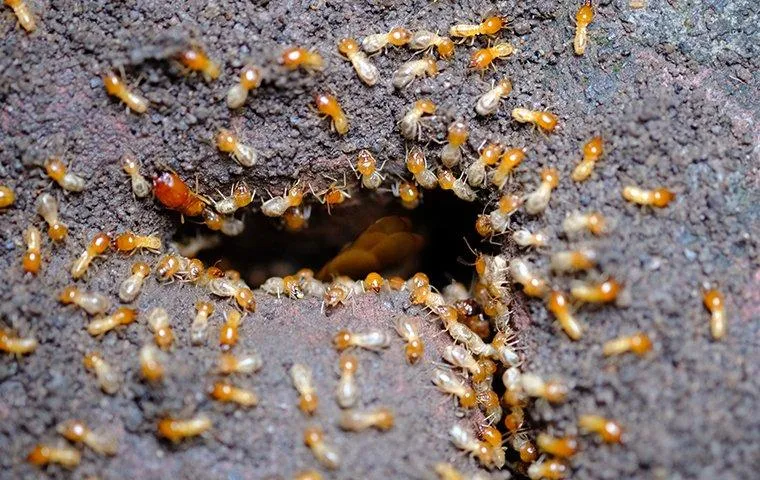
Creating a “No-Man’s Land” involves establishing a physical buffer zone between your home’s structure and the organic materials that attract pests. By keeping a clear perimeter, you remove the hidden bridges termites use to bypass your foundation. This strategic gap serves as a defensive moat, making it impossible for insects to reach your walls undetected. A clean, dry boundary is one of the most effective ways to discourage colony expansion toward your living space.
The 6-Inch Rule
A critical preventative measure is ensuring at least six inches of visible clearance between the soil and the bottom edge of your home’s siding or wooden trim. When dirt or landscaping sits too high, it creates a direct, moisture-rich pathway for termites to enter your walls. Keeping this gap clear allows you to easily spot mud tubes and prevents the wood-to-soil contact termites love.
Mulch Management
While mulch improves curb appeal, wood-based varieties retain high levels of moisture and provide a steady food source right against your foundation. To minimize risk, avoid thick layers of mulch and keep it several inches away from your walls. For superior protection, consider switching to inorganic alternatives like gravel, river stones, or rubber mulch, which offer the same aesthetic without inviting a termite infestation.
Firewood Storage
Storing firewood directly against your house is an open invitation for termites to move indoors. Woodpiles provide the perfect combination of shelter and food, serving as a staging ground for a colony. To protect your property, store logs at least twenty feet away from your home and keep the pile elevated off the ground to prevent moisture buildup and soil contact.
Seal the Entry Points
Termites are incredibly opportunistic, capable of squeezing through fissures as narrow as 1/32 of an inch. To truly protect your property, you must take a “zero-tolerance” approach to structural gaps. By meticulously sealing every potential gateway, you eliminate the easy access points that allow pests to bypass exterior defenses. This proactive sealing process not only deters termites but also improves your home’s energy efficiency and prevents other opportunistic pests from nesting.
Foundation Inspection
Your foundation is the primary interface between the soil and your home, making it the most critical area for regular monitoring. Inspect the concrete for hairline fractures, expansion joints, or gaps around brickwork. Over time, settling can create new openings that subterranean termites use as highways. Filling these cracks with high-quality sealant or masonry caulk effectively cuts off their main entry route.
Utility Lines
The points where gas, water, and electrical lines enter your home are often overlooked vulnerabilities. Termites frequently follow these pipes through the ground and enter through the small gaps in the surrounding wall. Use expandable foam, caulk, or heavy-duty sealant to bridge these openings. Ensuring a tight fit around every utility penetration prevents termites from using your plumbing as a secret entrance.
Professional Preventative Treatments
While DIY methods help, professional-grade barriers are the only way to guarantee long-term protection.
| Treatment Type | How it Works? | Best For |
| Liquid Soil Barriers | A chemical trench is dug around the perimeter to kill termites on contact. | Immediate, long-lasting perimeter protection. |
| Baiting Systems | Stations are placed in the ground; termites take “slow-acting” bait back to the colony. | Monitoring and total colony elimination. |
| Wood Treatments | Borate sprays are applied to lumber during construction or renovation. | Preventing termites from eating the wood itself. |
Final Thoughts
Protecting your property from termites requires constant vigilance and a proactive defense strategy. By eliminating moisture, maintaining a clear perimeter, and sealing structural gaps, you significantly reduce the risk of a costly infestation. Don’t wait for visible damage—schedule regular professional inspections to ensure your home remains a secure, termite-free investment.