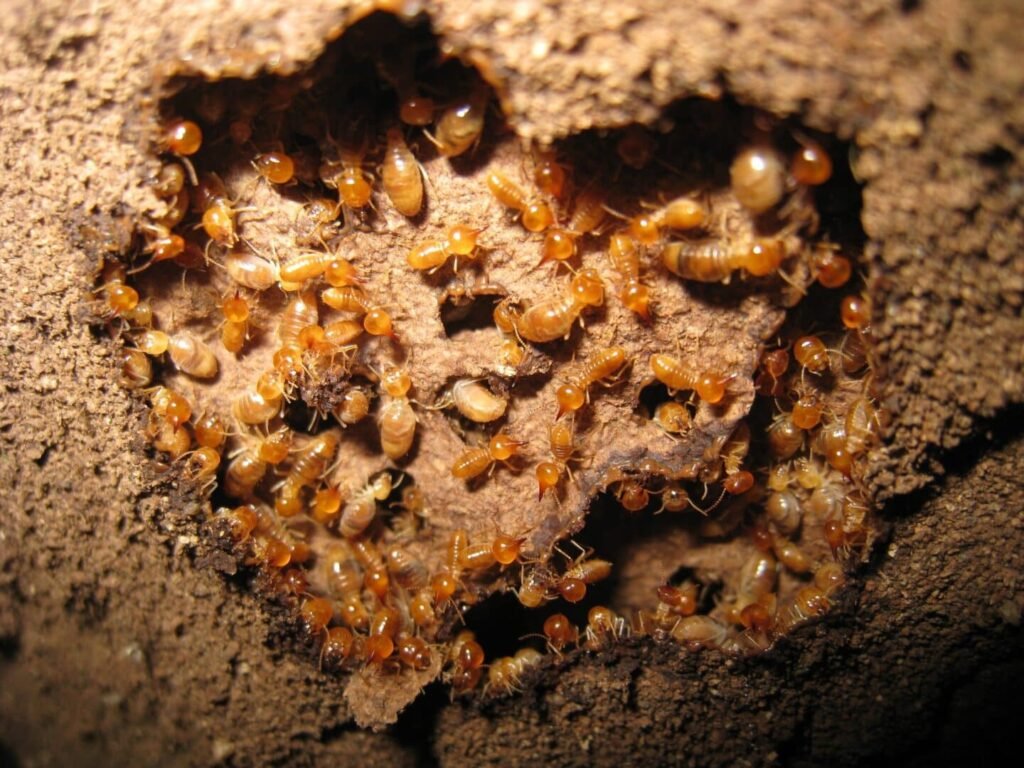
You’ve already gone through the stress and expense of a termite treatment. You breathed a sigh of relief, thinking your home was finally safe. But lately, you’ve been wondering: Are they back?
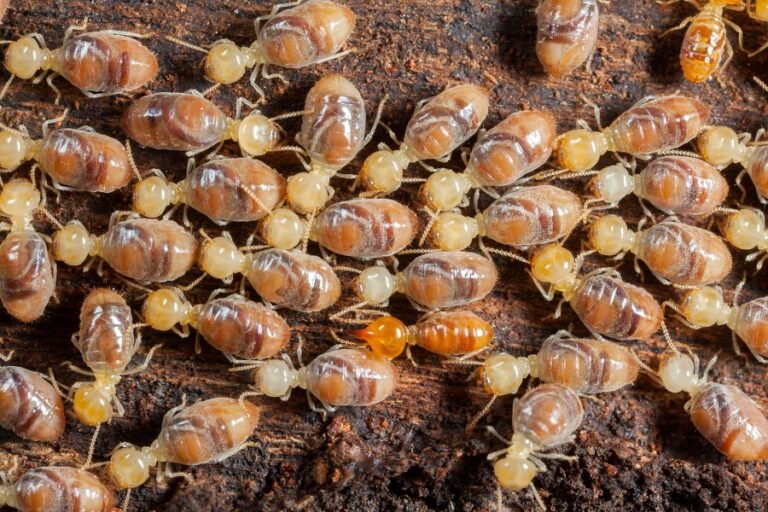
Termites are the “silent destroyers” for a reason. Even after professional intervention, these resilient pests can find a way back if the protective barrier is breached or if new colonies form nearby.
Here is how to spot the red flags and protect your home from a second wave.
New Mud Tubes
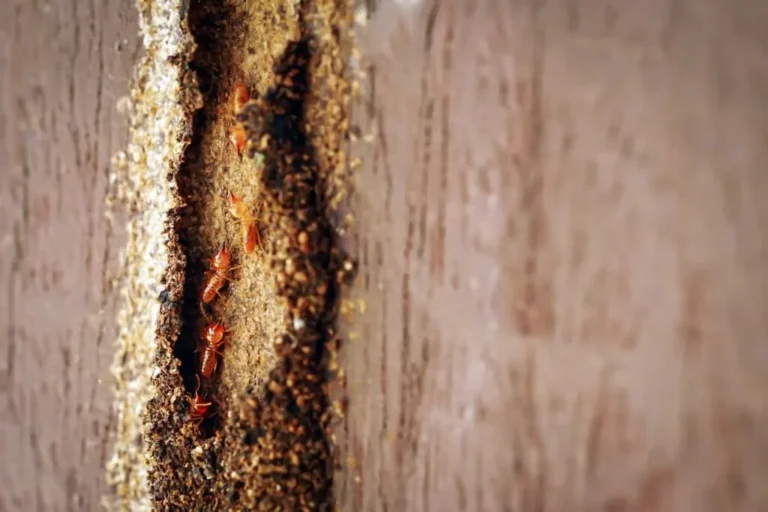
Subterranean termites build mud tubes to maintain moisture levels while traveling between their underground colonies and your home’s structure. These pencil-thick tunnels, constructed from soil and saliva, act as protected highways that shield them from predators and dry air. If you notice fresh, moist tubes appearing on your foundation or interior walls after a recent treatment, it is a primary indicator that a colony has successfully bypassed your previous chemical barriers.
The Test
To determine if a discovered mud tube is active or abandoned, perform a simple breach test. Use a screwdriver to break off a small middle section of the tunnel, ensuring you don’t disturb the entry points. If the termites are still present, they will prioritize repairing the gap to restore their moisture seal, usually rebuilding the section within forty-eight hours.
Where to Look
Vigilance is key when checking for a recurring infestation. Focus your inspection on the home’s foundation, particularly where the soil meets the concrete. Thoroughly examine dark, humid areas such as crawl spaces, basements, and the wood framing near plumbing fixtures. Pay close attention to floor joists and the transition points between your home’s exterior siding and the ground level.
Discarded Wings (The Swarmers)
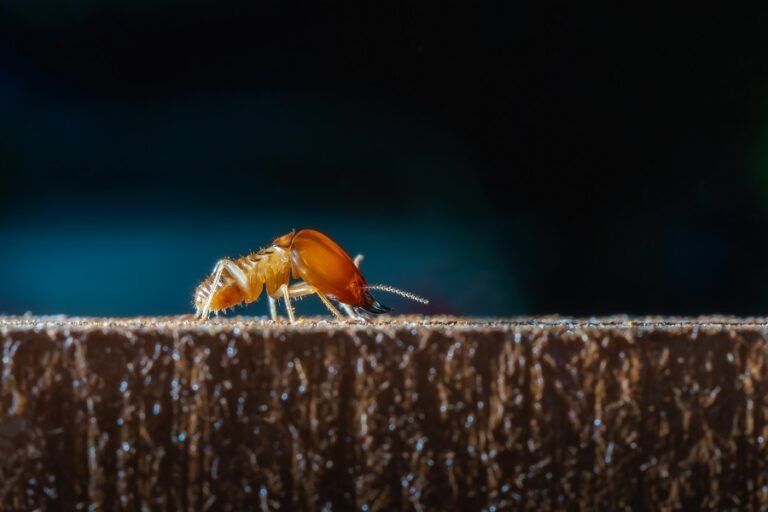
Termite swarmers, or alates, are the winged individuals responsible for expanding the colony’s reach. Their primary purpose is to leave an established nest, find a mate, and start a new settlement. Once they land and find a suitable partner, they shed their wings as they no longer need them for flight. Finding these discarded wings is a clear sign that a reproductive cycle has recently occurred within or very near your property.
The Red Flag
Keep a close watch on indoor light sources and entry points. If you find piles of small, uniform, translucent wings on windowsills, near doorways, or caught in spiderwebs, it is a significant warning sign. Since swarmers are attracted to light, these areas often serve as the first visual confirmation that a termite colony is active and attempting to establish itself.
The Reality Check
It is crucial to distinguish between termite swarmers and flying ants, as they often emerge at the same time. While both have four wings, termite wings are equal in length and twice as long as their bodies. Flying ants have front wings that are longer than their back ones. Identifying these physical differences correctly prevents unnecessary panic and ensures targeted treatment.
“Frass” (Termite Droppings)
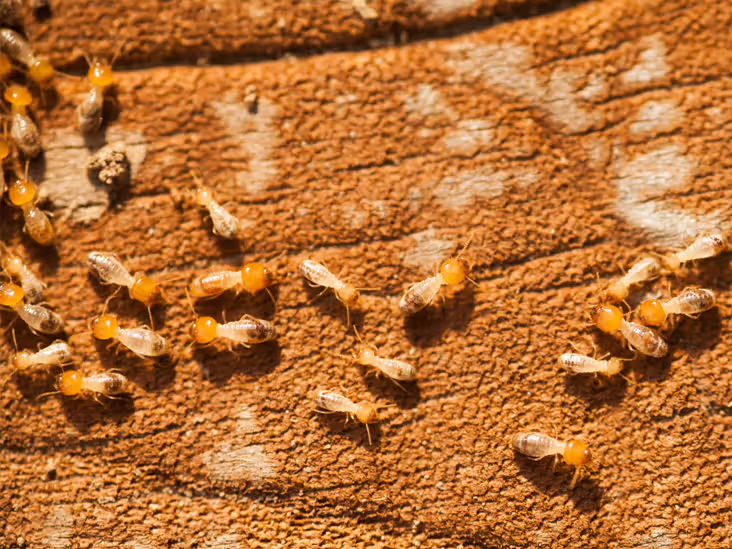
While subterranean termites use their waste for construction, drywood termites prioritize cleanliness within their narrow galleries. They create tiny “kick-out holes” to eject their excrement, resulting in small mounds known as frass. Discovering these deposits after a professional treatment is a definitive sign of an active infestation. Because these pests live deep inside the wood, finding fresh frass is often the only visible evidence that they are continuing to consume your home’s structure.
How They Appear?
Termite frass typically resembles a small pile of sawdust, sand, or even ground coffee. Upon closer inspection, these pellets are oval-shaped with six concave sides, a unique physical trait of drywood termites. They can vary in color—ranging from light tan to nearly black—depending on the specific type of wood the colony is currently consuming within your walls or furniture.
Bubbling Paint or “Soft” Wood
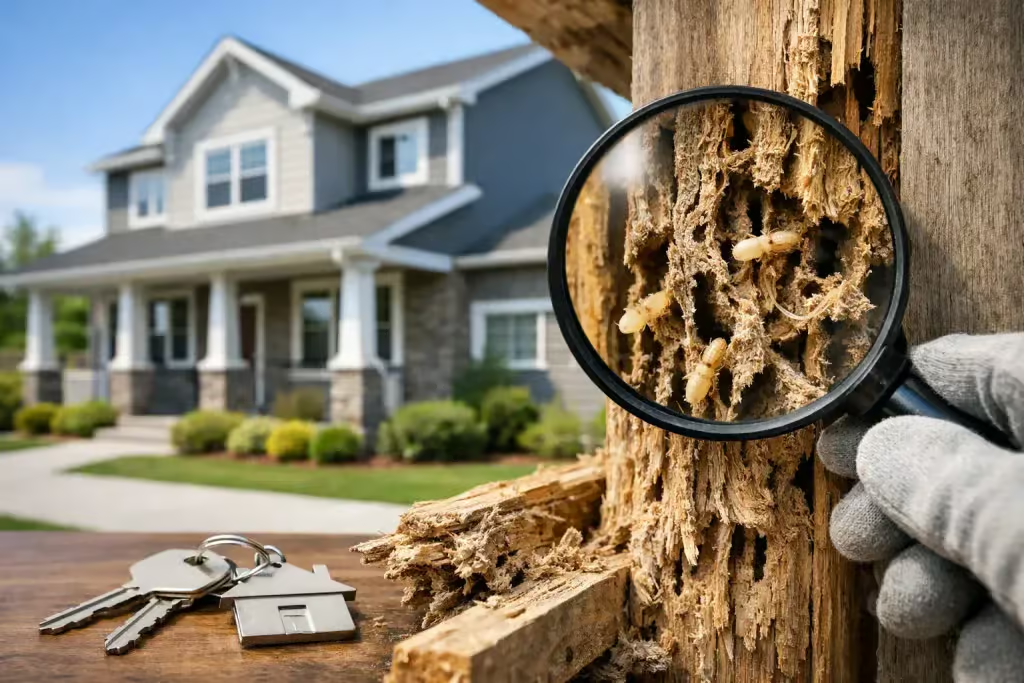
Termites consume wood from the inside out, often leaving nothing but a paper-thin exterior layer or just the paint itself. This internal destruction compromises the structural integrity of your home’s timber long before it is visible to the naked eye. When moisture trapped by the termites builds up behind the surface, it causes the finish to distort. If your walls or wooden beams feel brittle, it’s a sign of significant activity.
The Tapping Test
Use a solid object, like the handle of a screwdriver, to tap along your baseboards, door frames, and exposed beams. Healthy wood should produce a sharp, solid thud. If you hear a hollow or dull sound, it indicates that the interior has been excavated. In severe cases, the wood may even give way or crumble under light pressure.
Visual Cues
Pay close attention to surfaces that appear to be water-damaged but have no clear source of a leak. Look for paint that is bubbling, peeling, or unusually uneven. You might also notice small, sunken lines or “maze-like” patterns appearing on your drywall or wood panels. These subtle distortions often reveal the hidden tunnels where termites are currently feeding beneath the surface.
What to Do If You Suspect an Invasion?
Discovering signs of termites after a treatment is concerning, but immediate action can prevent extensive structural damage. You must act quickly to verify the activity and re-establish a protective barrier around your property. Avoid disturbing the areas where you found activity, as this can cause the colony to relocate and hide elsewhere in the structure. Instead, document your findings and contact a professional to assess the integrity of the previous treatment.
1. Check Your Warranty
Most professional pest control services provide a one-year service guarantee or a long-term termite bond. Review your original contract to see if it covers re-treatment costs or damage repairs. Contact the company immediately to schedule an inspection; if the previous barrier failed, they are often obligated to address the recurring infestation at no additional cost to you.
2. Keep the Evidence
While your first instinct may be to clean up wings, frass, or mud tubes, it is vital to leave them undisturbed for the inspector. This evidence helps professionals identify the termite species and the exact entry points. Take clear photos of the debris and place samples of wings or pellets in a sealed bag to ensure an accurate diagnosis and treatment plan.
3. Minimize Wood-to-Ground Contact
To prevent future recurrences, eliminate the “bridges” that allow termites to bypass chemical barriers. Ensure that mulch, firewood piles, and wooden fence posts do not make direct contact with your home’s foundation. Maintaining a gap of at least six inches between the soil and any wooden siding significantly reduces the risk of subterranean termites finding a hidden path back into your home.
Conclusion
Vigilance is your best defense against a termite resurgence. By identifying early warning signs like mud tubes, frass, or hollow wood, you can intervene before structural damage escalates. If you suspect activity, consult your warranty and contact a professional immediately to secure your home and restore long-term peace of mind.