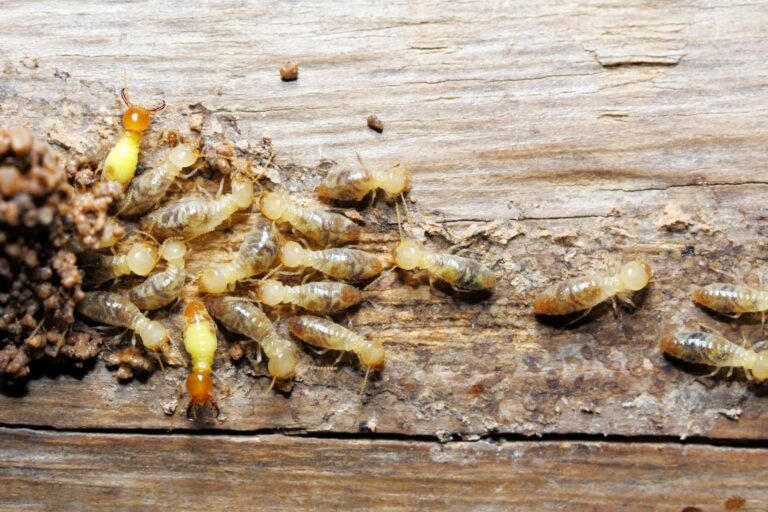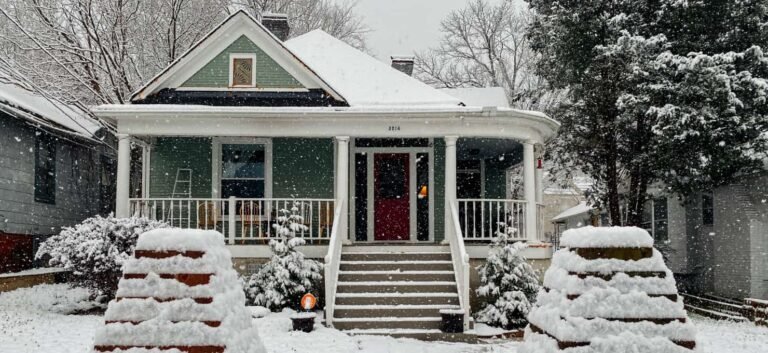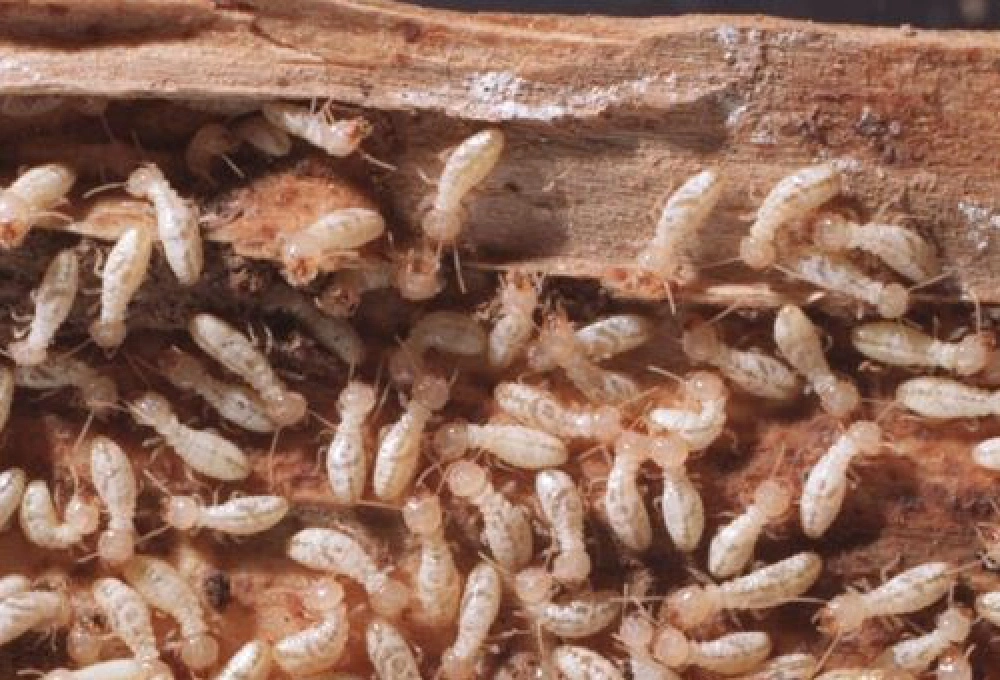
For homeowners in the scenic rolling hills of Danville, property maintenance usually involves landscaping or seismic retrofitting. However, there is a silent threat lurking beneath the surface of many East Bay homes: Subterranean and Drywood termites.
In California’s Mediterranean climate, termites don’t take a “season off.” If left unchecked, these wood-destroying organisms can compromise the structural integrity of your home, leading to astronomical repair costs.
Here is why a professional termite inspection is the most important preventative measure you can take for your Danville property.
1. The “Silent Destroyer” Dilemma
Termites are known as silent destroyers because they can chew through wood, flooring, and even wallpaper for years without showing obvious outward signs. By the time a homeowner notices “bubbling” paint or sagging floors, the damage is often extensive.
In Danville, our proximity to lush vegetation and older oak structures creates a high-pressure environment for termite activity. A professional inspection catches these colonies while they are still manageable.
2. Identifying Local Threats: Subterranean vs. Drywood
Not all termites are created equal. A specialized inspection identifies which species is targeting your home, as the treatment methods vary wildly:
| Termite Type | Habitat | Typical Signs |
| Subterranean | Live in the soil; build “mud tubes” to reach wood. | Mud tunnels on the foundation, hollow-sounding wood. |
| Drywood | Live inside the wood they consume; no soil contact needed. | “Frass” (tiny wood-colored pellets) and discarded wings. |
Protecting Your Home’s Resale Value
In the competitive Danville real estate market—from the luxury estates of Blackhawk to the charming ranch homes near the Iron Horse Trail—property value is everything. A home is a massive investment, and savvy East Bay buyers are increasingly diligent. Most California real estate transactions require a “Section 1” clearance, meaning the property is free of active wood-destroying organisms. By scheduling regular termite inspections, you ensure that your home remains “market-ready.” Proactive documentation of a pest-free home provides peace of mind to potential buyers, prevents last-minute escrow delays, and protects your hard-earned equity from being eroded by preventable structural damage.
Precision Treatments Save Money
Many homeowners delay termite inspections out of fear that “tenting” or full-scale fumigation is the only solution. However, early detection through professional inspection allows for precision treatments, which are significantly more cost-effective. If caught early, a licensed technician can often utilize localized “spot” treatments, orange oil applications, or soil-based barriers to eliminate small colonies before they migrate. In a high-value area like Danville, catching a Subterranean or Drywood infestation in its infancy can be the difference between a few hundred dollars in preventative maintenance and a five-figure bill for structural timber replacement and whole-house fumigation.
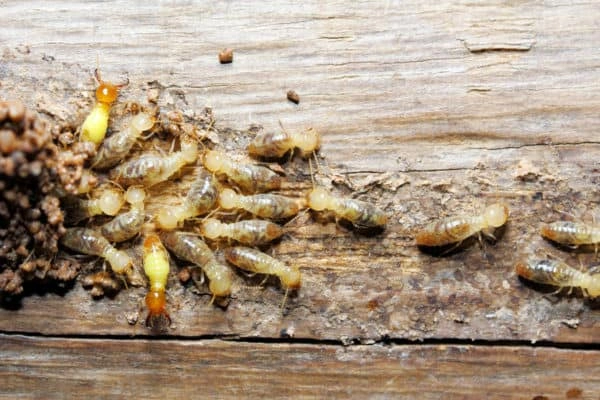
What Happens During a Danville Termite Inspection?
When a licensed inspector visits your property, they focus on high-risk zones:
The Foundation
The foundation is the primary entry point for Subterranean termites, which travel from the moisture-rich soil of the East Bay into your home’s structural timber. During a professional inspection in Danville, technicians look for mud tubes—pencil-thick tunnels built by termites to protect themselves from dehydration. We also examine the “slab-on-grade” areas and expansion joints. Identifying these transit routes early prevents termites from reaching your floor joists and wall studs, effectively cutting off their “highway” into your living space.
Attics and Crawlspaces
Termites love the dark, undisturbed environments of Danville attics and crawlspaces. These areas are often the first to show signs of Drywood termite activity, such as “frass” (hexagonal wood pellets) or discarded wings from recent swarms. Our inspectors navigate these tight spaces to check the rafters and support beams for hollow-sounding wood or “galleries.” Because these zones are rarely visited by homeowners, an infestation can thrive for years; a thorough professional check ensures no colony goes unnoticed.
Exterior Woodwork
Your home’s exterior is its first line of defense, but elements like wooden siding, deck posts, and decorative trim are highly susceptible to “ground-to-wood” contact. In Danville’s climate, these wooden structures can soften over time, inviting termite scouts. We inspect fences, pergolas, and window frames for signs of “kick-out holes” or blistering paint. By identifying and treating these exterior breach points early, we can create a protective perimeter that keeps the “silent destroyers” from ever penetrating your home’s interior.
Moisture Sources
Termites are biologically driven to find moisture, making leaky pipes, faulty gutters, and poor drainage high-risk “attractants.” In Danville, high humidity or over-watered landscaping near the foundation can create the perfect microclimate for a colony to thrive. During the inspection, we identify conducive conditions—such as standing water or wood-to-soil contact—and provide actionable advice on how to redirect moisture away from your structure. Eliminating these water sources is often the most effective way to prevent future infestations naturally.
Final Thoughts
Protecting your Danville home requires a proactive approach rather than a reactive one. In the East Bay’s unique climate, termite activity isn’t a matter of if, but when. By investing in regular professional inspections, you safeguard your property’s structural integrity, maintain its high resale value, and avoid the staggering costs of major repairs. Don’t let the “silent destroyers” compromise your peace of mind—take control today and ensure your home remains a safe, solid investment for years to come.