Nestled in the Livermore Valley, Pleasanton is a fantastic place to call home. From the historic charm of Downtown Pleasanton to the modern builds in Ponderosa Ridge and Kottinger Ranch, our area offers a wonderful mix of residential styles.
However, Pleasanton’s climate and environment also make local properties prime targets for one unwelcome guest: the termite.
Because subterranean and drywood termites thrive in Northern California, prevention is much more than a weekend chore—it is a vital part of protecting your largest investment. If you want to keep your home structurally sound, here is a practical guide on how homeowners in Pleasanton can prevent termite damage.
Understand Your Local Enemy: Subterranean vs. Drywood Termites
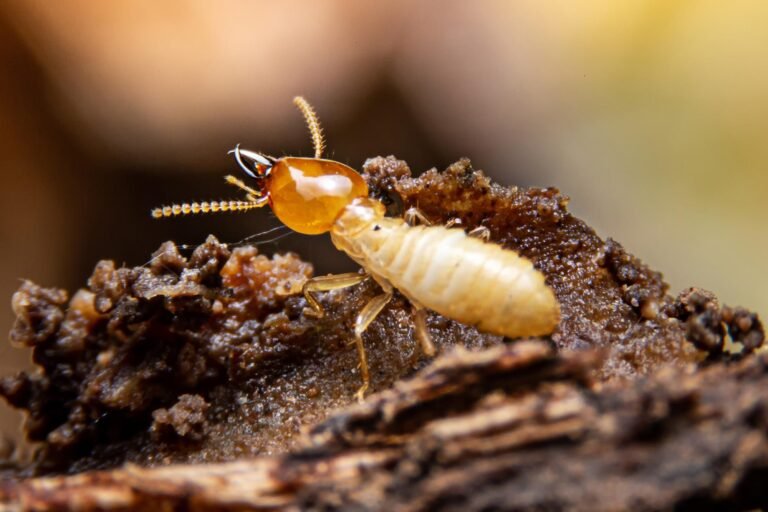
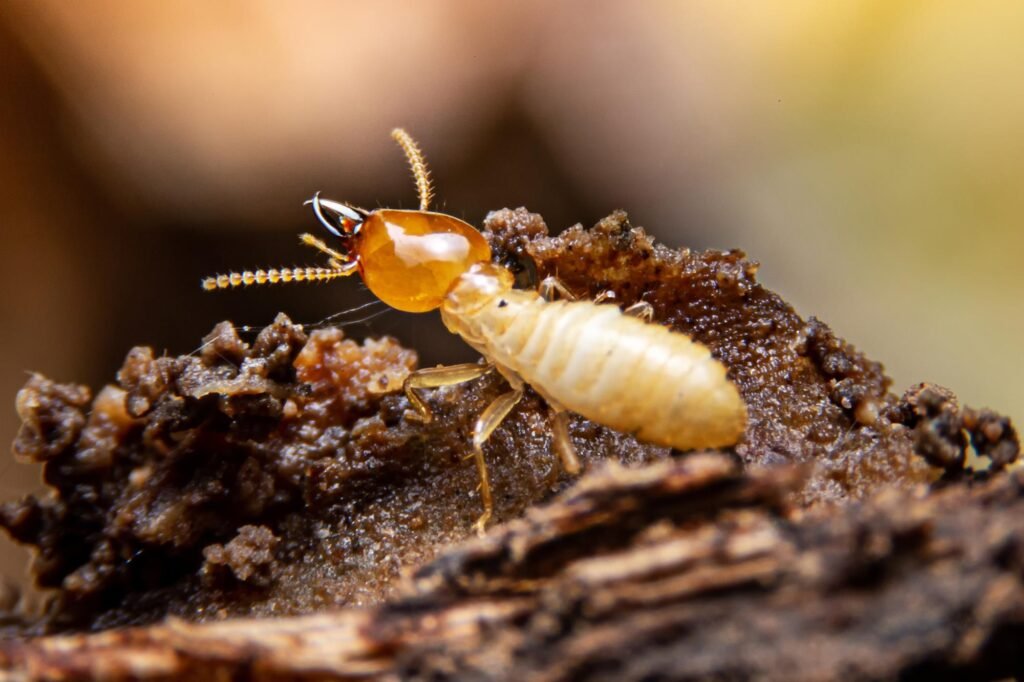
Before you can stop termites, you need to know what you’re up against. In the East Bay, homeowners typically deal with two main culprits:
Subterranean Termites
By far the most destructive threat in Pleasanton, subterranean termites live underground in massive colonies. They build distinctive mud tubes to travel safely from the soil to your home’s wooden framing. Because they require constant moisture to survive, they often target damp foundation areas and crawl spaces.
Drywood Termites
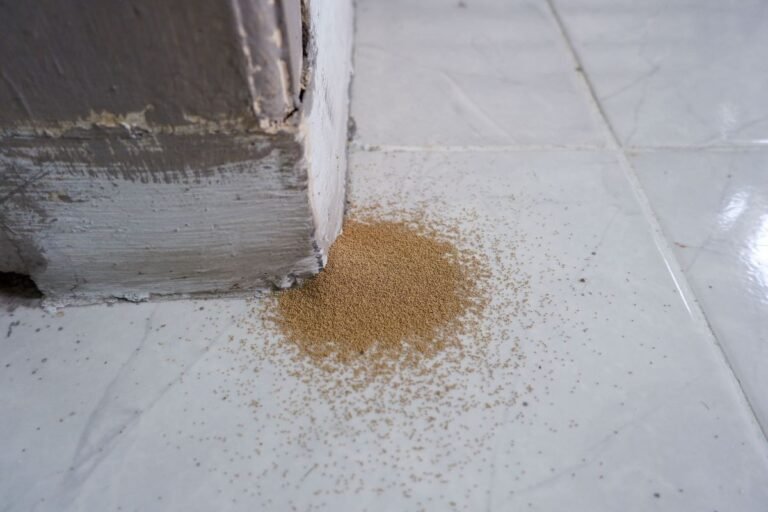
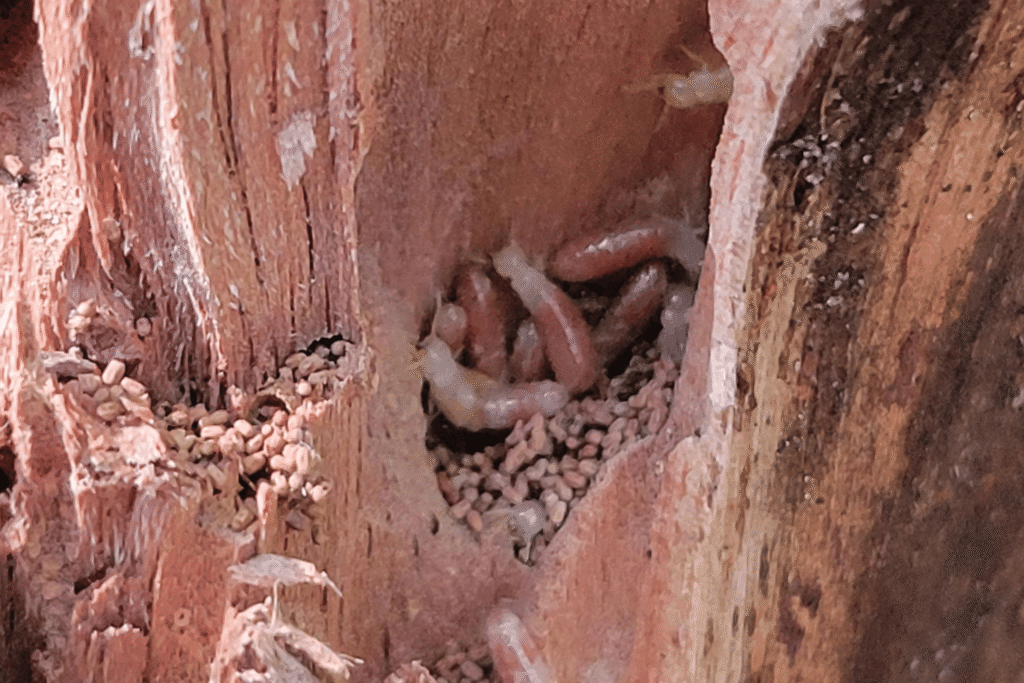
Unlike their subterranean cousins, drywood termites do not require contact with soil. Instead, winged swarmers fly directly onto your property, attacking roof timbers, eaves, and attic framing. They eat wood from the inside out, often leaving behind small, hard fecal pellets as the primary warning sign of an infestation.
Master Moisture Control Around Your Foundation
Termites crave moisture to survive. The climate fluctuations in Pleasanton can stress your property, making proper hydration management your first line of defense. By controlling water flow around your home, you eliminate the damp conditions these destructive pests need to thrive. Keeping your foundation dry drastically reduces your overall risk of a severe infestation.
Fix Leaks Promptly
Check your indoor plumbing, exterior hose bibs, and air conditioner condensation lines regularly. A slow, hidden leak near a foundation wall creates a damp environment that attracts subterranean termites. Repairing dripping pipes immediately cuts off their essential water source, keeping your home’s structural framing safe from moisture-seeking pests.
Extend Gutter Downspouts
Ensure your roof runoff is directed at least six feet away from your home’s perimeter. Pooling rainwater right next to your foundation saturates the soil, creating the ultimate breeding ground for moisture-loving insects. Proper drainage extensions prevent water accumulation and keep your property’s exterior dry and protected year-round.
Adjust Sprinkler Heads
Make sure your lawn irrigation system isn’t constantly spraying against your wooden siding or foundation base. Misdirected sprinkler heads keep the soil damp right where it touches your home, inviting hidden termite entry. Adjust your watering angles regularly to ensure your yard stays green while your foundation stays completely dry.
Eliminate Wood-to-Soil Contact
Direct contact between the earth and your home’s wooden elements provides termites with a hidden highway straight into your structural framing. When wood touches soil, it absorbs natural moisture and offers an easy, accessible food source for underground colonies. Breaking this direct connection is one of the most effective structural defenses you can implement to protect your property from devastating termite infestations.
Maintain a Buffer
Ensure your home’s wooden siding and structural framing sit at least six inches above the surrounding soil line. This crucial gap prevents ground moisture from wicking directly into your building materials and stops subterranean pests from crawling unnoticed into your walls. Regularly check that soil or garden beds haven’t built up against your foundation over time.
Rethink Landscaping Mulch
Wood-based mulches look great in gardens, but they retain moisture and serve as an appealing food source. Keep all organic mulch at least six inches away from your exterior foundation walls. If you want landscaping close to your home, consider substituting traditional wood chips with inorganic alternatives like gravel, river rock, or rubber nuggets to deter pests.
Elevate Stored Wood
Never stack firewood, lumber, or scrap building materials directly against your house or inside your crawl space. Stored wood acts as a massive neon sign for foraging termites. Always keep your firewood stacked at least twenty feet away from your main living structure and elevate it off the ground using metal racks or concrete blocks.
Seal Entry Points and Weak Spots
Termites do not need a gaping hole to gain entry; they can effortlessly squeeze through microscopic cracks and structural gaps. Proactively fortifying your home’s exterior shell stops these persistent pests before they can infiltrate your living spaces. Regular maintenance and careful sealing of vulnerable exterior zones create an impenetrable barrier that keeps destructive insects safely on the outside of your property.
Seal Foundation Cracks
Inspect your concrete foundation and slab for structural fissures annually. Use a high-grade, below-grade polyurethane caulk to thoroughly seal hairline cracks and utility pipe penetrations. Closing these hidden openings eliminates the secret passageways that subterranean termites use to bypass your soil defenses and access the vulnerable wooden framing of your home.
Protect the Roofline
Drywood termites actively target upper-level structures, making your roofline a primary zone of concern. Protect vulnerable attic spaces and roof eaves by installing fine mesh hardware cloth over all vents. This simple physical barrier prevents flying swarmers from entering your home during mating season and establishing a brand new colony right under your roof.
Paint and Seal Exposed Wood
A fresh coat of high-quality exterior paint, varnish, or specialized wood sealant closes the microscopic pores and crevices that drywood termites exploit. Unprotected outdoor wood, trim, and decks easily succumb to weathering and pest invasion. Regular sealing preserves the integrity of your exterior lumber while simultaneously deterring insects from boring into your structure.
Schedule Routine Professional Inspections
While DIY vigilance is essential, termites are notorious for hiding behind drywall, beneath flooring, and deep inside crawl spaces where homeowners rarely look.
Partnering with a licensed Pleasanton pest control professional for annual or bi-annual termite inspections can catch minor issues before they turn into thousands of dollars in structural repairs. Many local companies offer free or low-cost yearly evaluations—giving you invaluable peace of mind as the seasons change.
Protect Your Pleasanton Property Today!
Preventing termite damage is all about consistency. By managing moisture, eliminating wood-to-soil contact, sealing entry points, and keeping up with professional check-ups, you can ensure your Pleasanton home remains safe, strong, and termite-free for years to come.
Are you noticing sagging floors, mud tubes, or pinholes in your drywall? Don’t wait until the damage spreads—schedule a professional termite inspection for your Pleasanton home today!