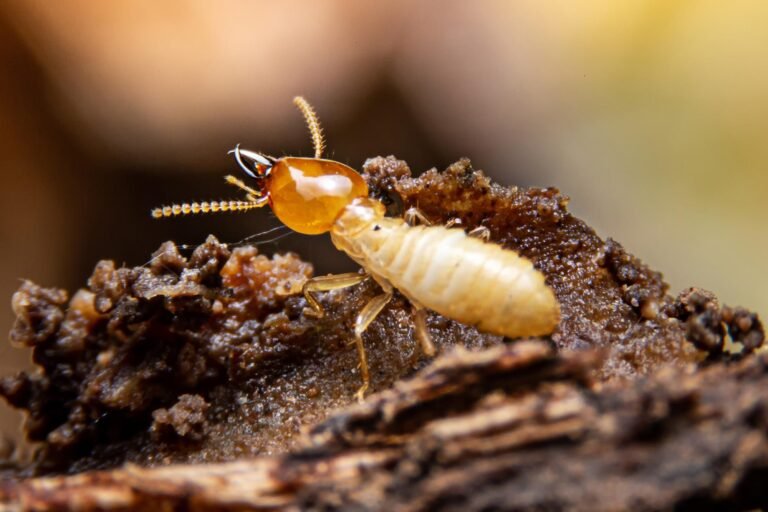
Living in Livermore, CA, means enjoying beautiful weather, Livermore Valley wine country views, and a thriving community. However, the local climate and environment also make our homes prime targets for a less welcome local resident: termites.
Because subterranean and drywood termites thrive in California’s warm climate, early detection is essential. Catching an infestation before it turns into a structural nightmare can save you thousands of dollars in repairs.
Here are the most common signs of termites in Livermore homes, what to look for, and how to protect your property.
Mud Tubes on Foundation Walls
In Livermore, subterranean termites are the most frequent culprits behind residential damage. Because these destructive pests live underground, they construct distinct mud tubes roughly the width of a pencil along concrete foundations, crawl spaces, and exterior brickwork. These narrow pathways are vital lifelines, protecting the insects from dry air and predators while they travel back and forth between underground soil moisture and your home’s structural framing.
Why It Happens?
Subterranean termites require constant moisture and protection from dry California air to survive. Livermore’s hot, dry summers drive these soil-dwelling insects to seek out alternative hydration sources and shelter. Consequently, they migrate upward along foundation walls, utilizing cracks, gaps, and hidden entry points to reach the abundant wood framing inside your climate-controlled home.
What to Do?
If you discover a suspicious mud tube, inspect it closely by gently breaking open a small section. Do not panic, but act immediately. If you notice live white insects or if the tube is quickly rebuilt, contact a licensed Livermore pest control professional. They will perform a comprehensive inspection, confirm active infestation, and recommend targeted subterranean termite treatments.
Hollow-Sounding Wood
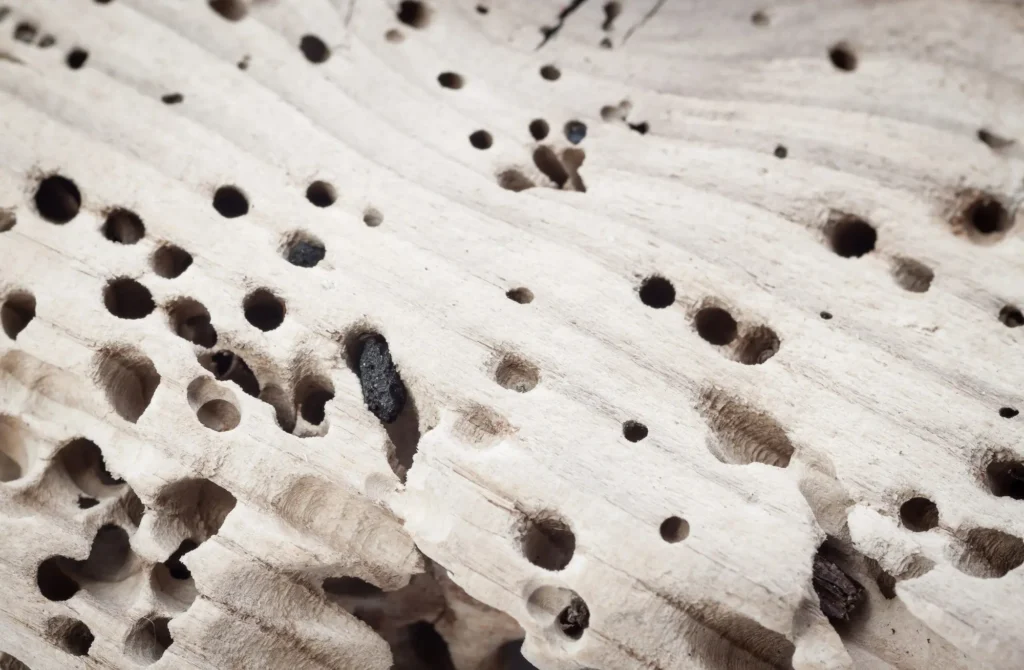
Termites feed continuously from the inside out, systematically consuming the cellulose within structural timbers while leaving a remarkably thin veneer of sound wood or surface paint completely untouched. Because the outer shell remains intact, the damage often goes entirely unnoticed for months or even years. This stealthy feeding habit slowly destroys your home’s framing and baseboards from within, severely compromising overall structural integrity before visible surface warning signs ever appear.
What to Look For?
To detect hidden damage early, routinely tap or gently knock on baseboards, door frames, and wooden support beams throughout your house. Listen closely for a distinct, papery, or hollow sound instead of a solid thud. If the timber sounds empty beneath your knuckles, or if it easily gives way under light pressure, termites have likely hollowed out the interior completely.
Frass (Termite Droppings)
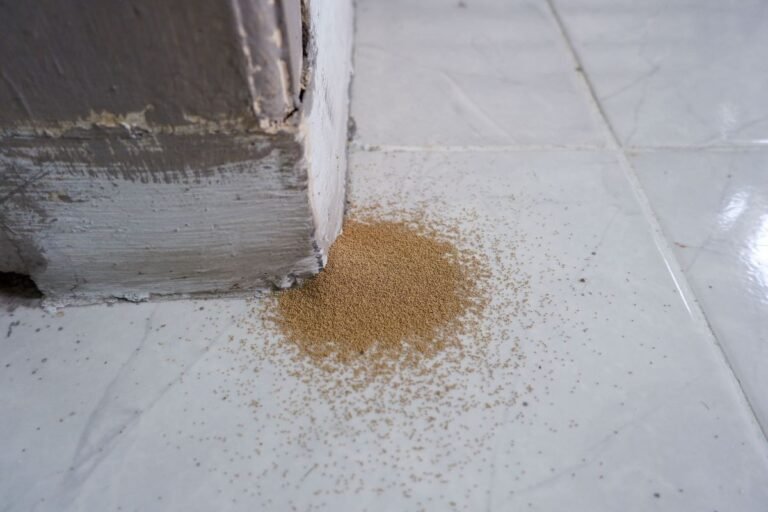
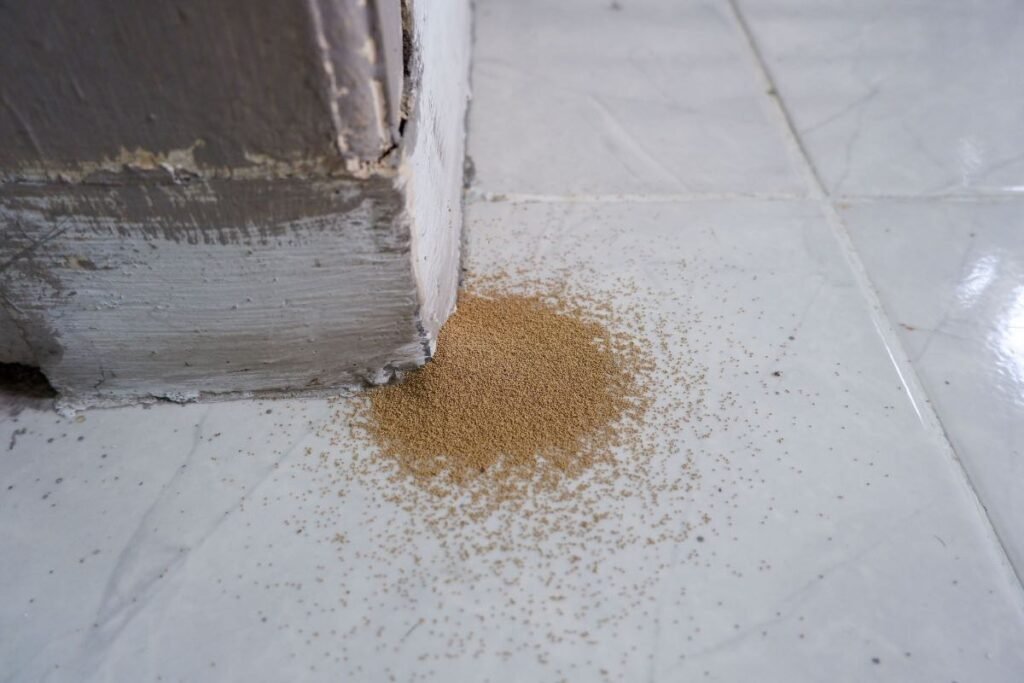
If your Livermore home is facing an infestation of drywood termites rather than subterranean ones, you will not find mud tubes along your foundation walls. Instead, these wood-nesting pests push tiny, distinct pellet-like droppings out of small kick-out holes in infested timbers. This byproduct, known as frass, is one of the most definitive diagnostic indicators of a drywood termite colony actively feeding inside your elevated structural wood members.
What to Look For?
Keep a close eye out for small, neatly piled mounds of pellets that strongly resemble coarse sand or coffee grounds. These piles frequently accumulate on windowsills, hardwood floors, beneath wooden furniture, or right below ceiling beams. If you sweep up these mysterious piles and they reappear shortly after, you can safely assume drywood termites are actively chewing overhead.
Discarded Swarmers (Alates) and Wings
When mature termite colonies reach maximum capacity, they launch winged reproductives—commonly known as swarmers or alates—whose sole mission is to leave the nest, mate, and establish brand-new colonies. While seeing these flying bugs outdoors is a natural occurrence, finding them or their remnants inside your Livermore living spaces is a definitive warning sign that a well-established, mature termite colony is currently active somewhere nearby.
What to Look For?
Watch for live swarms gathering around interior windowsills and light fixtures during warm weather. More commonly, you will spot small piles of identical, translucent, detached wings scattered on floors or baseboards. These insects shed their wings immediately after landing and finding a mate, making indoor wing piles a glaring red flag that warrants an immediate professional termite inspection.
Blistered or Sagging Wood and Tight Doors
As termite infestations progress unchecked, the extensive internal destruction compromises the structural integrity of your home’s framing and finishes. This hidden damage frequently manifests as warped or uneven building materials. Wooden floors may suddenly take on a blistered, wave-like appearance that mimics water damage, even when no leaks have occurred. Furthermore, structural shifts can cause doors and windows to jam or stick stubbornly in their frames as walls subtly sag.
What to Look For?
- Wooden floors that look blistered, uneven, or water-damaged (even if there has been no leak).
- Windows and doors that suddenly become difficult to open or close smoothly, as warping frames trap them in place.
Why Livermore Homes Are Vulnerable?
Livermore’s distinct seasons—hot, dry summers and mild, damp winters—create an ideal habitat for termites. Subterranean species search for moisture during dry spells, often migrating closer to irrigated landscaping, plumbing leaks, and foundations. Meanwhile, drywood termites readily target exposed structural lumber, attics, and eaves.
Protecting Your Livermore Home!
If you spot any of these signs, acting quickly is vital. Left unchecked, termite colonies can multiply rapidly and cause thousands of dollars in structural damage that standard homeowners insurance rarely covers.
- Schedule a Professional Inspection: Certified pest control experts in the Livermore area can accurately diagnose the species and extent of the damage.
- Reduce Moisture: Fix leaky gutters, divert water away from your foundation, and keep firewood stored well away from the house exterior.
Need a Professional Assessment? If you suspect termites in your Livermore home, don’t wait until the damage spreads. Contact a licensed local pest control specialist today for a comprehensive inspection and tailored treatment plan.