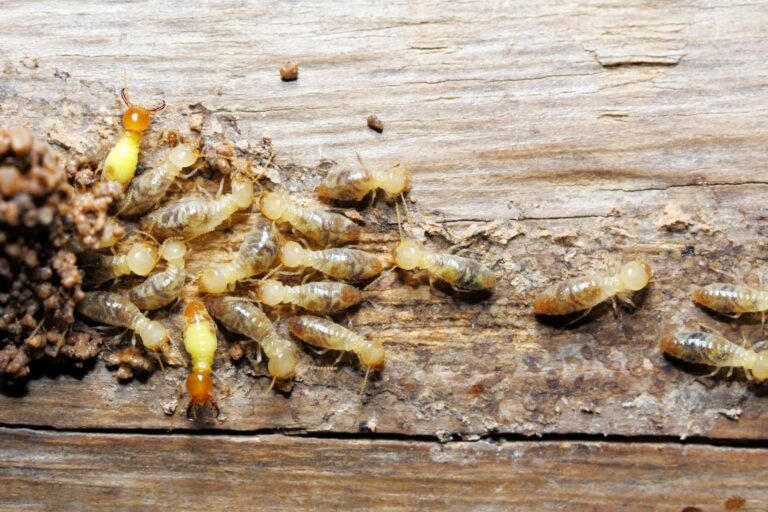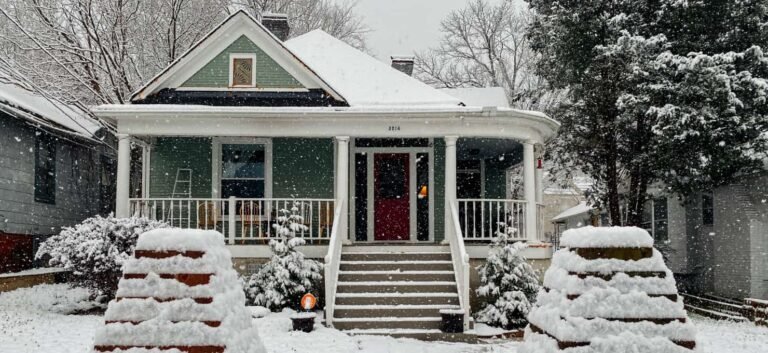
Buying a new home is one of the biggest financial investments you will ever make. While you are busy checking off features like open-concept kitchens, updated bathrooms, and a spacious backyard, there is an invisible threat that could quietly undermine your investment from day one: subterranean and drywood termites.
Wood-destroying insects cause billions of dollars in property damage every year, much of which is not covered by standard homeowner insurance policies. Securing a dedicated termite inspection before closing a real estate deal is a crucial step that protects both your finances and your peace of mind.
Concealed Destruction
Termites eat wood from the inside out, meaning structural framing, support beams, and subfloors can be severely compromised while the painted surfaces and wallpaper look completely normal on the outside.
Costly Surprises
Without a pre-purchase wood-destroying organism (WDO) report, you risk inheriting thousands of dollars in hidden structural repairs that should have been negotiated into the purchase price.
Lending Requirements
Many conventional, FHA, and VA mortgage lenders actually require a clear termite inspection report before they will officially approve and fund your home loan.
Negotiation Power
Discovering active infestations or past damage gives you significant leverage to ask the seller for price reductions, closing credits, or professional remediation guarantees before you sign on the dotted line.
What to Expect During a Professional Termite Inspection?
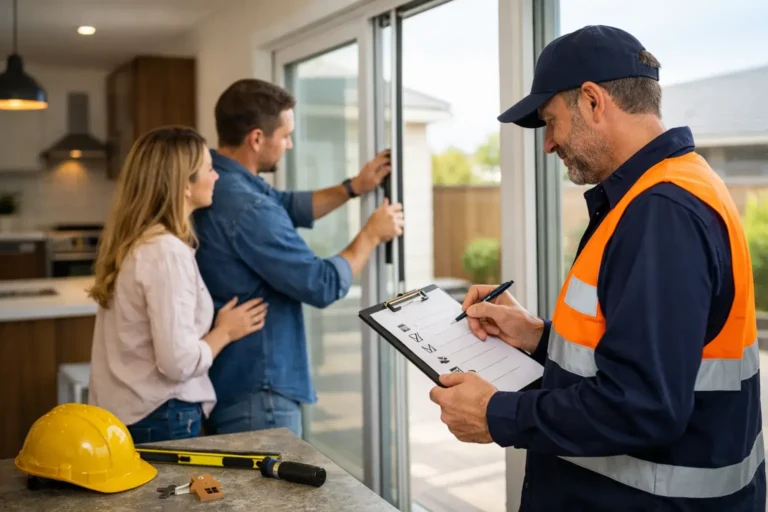
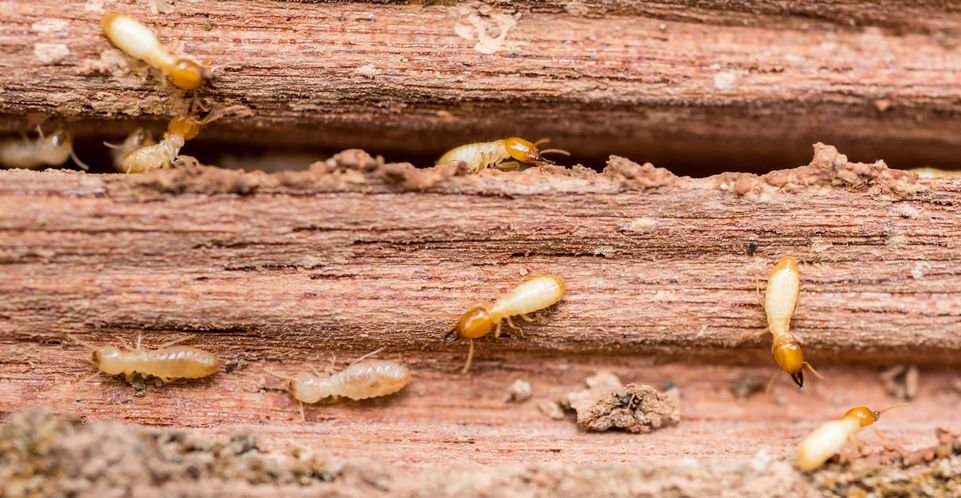
A licensed pest inspector will perform a thorough visual and physical examination of the entire property. They look for specific red flags that indicate current or historical activity, including mud tubes running along concrete foundations, discarded translucent wings, hollow-sounding floor joists, and fine sawdust-like frass. Inspectors examine accessible areas such as crawlspaces, basements, garage interiors, attics, and the exterior perimeter where soil meets wood siding.
Exterior Perimeter and Foundation Check
The inspector begins the evaluation by walking the entire perimeter of the property, closely examining the foundation walls, siding, and any wooden structures touching the ground. They actively search for mud tubes, which subterranean termites build as moisture-rich highways to travel between underground colonies and your home’s framing. Inspectors also look for cracks in the concrete, grading issues that trap water against exterior walls, and any wood-to-soil contacts that invite immediate pest infestation and costly structural decay.
Interior Living Spaces and Visual Assessment
Moving inside the home, the professional methodically inspects baseboards, door frames, window sills, and hardwood flooring for signs of hidden damage. They utilize specialized tools like a probing pick or a moisture meter to test suspicious spots and listen for hollow sounds when tapping on structural timbers. The expert checks for discarded swarmer wings near windowsills and fine, powdery frass left behind by drywood termites, which often signals an active internal colony hidden deep within the walls.
Crawlspaces, Basements, and Attics
The final phase requires a detailed examination of neglected, high-risk areas such as damp crawlspaces, unfinished basements, and dark attics where moisture and wooden framing intersect. Inspectors crawl or navigate these confined spaces with high-powered flashlights, checking floor joists, support beams, subflooring, and roof trusses. Because these hidden zones offer ideal dark, humid environments for wood-destroying organisms to thrive undetected, this thorough overhead and under-floor sweep ensures no structural vulnerability is overlooked before you finalize your property purchase.
Protecting Your Investment Long-Term!
Once you officially own the home, maintaining proactive defense measures is essential. Keep firewood stacks well away from the house foundation, ensure proper drainage to eliminate moisture buildup near exterior walls, and schedule annual professional pest control evaluations. Taking these preventive steps early ensures your dream home remains safe, structurally sound, and structurally secure for decades to come.