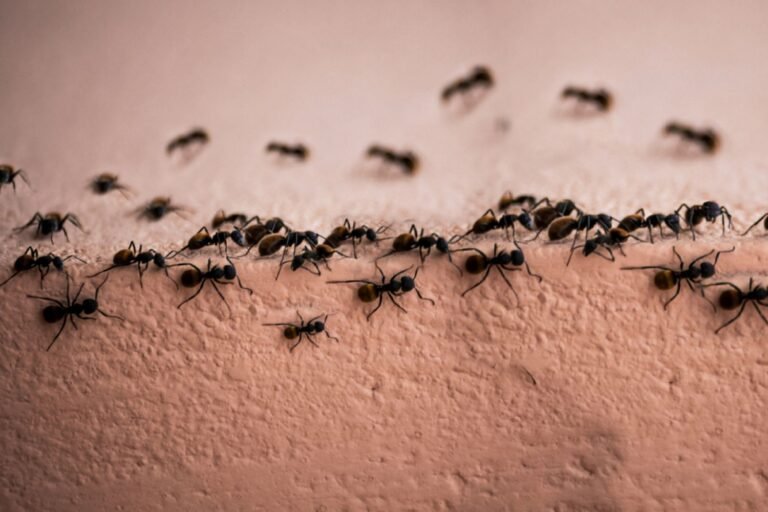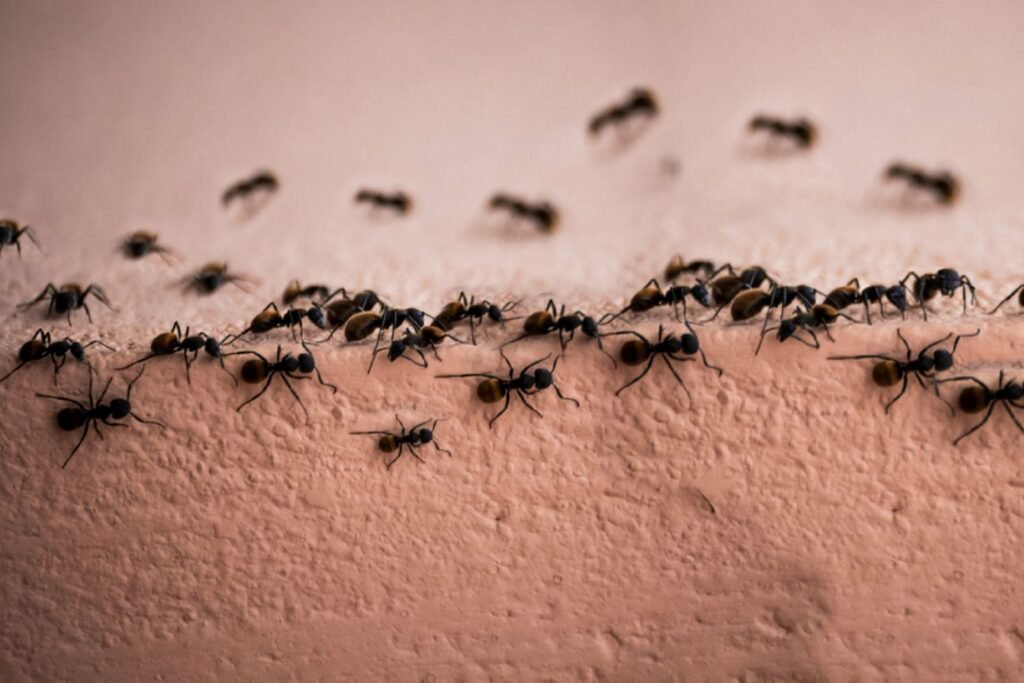
Ants seem to have a superpower: leave a single crumb on your kitchen counter, and within hours, an entire marching battalion has moved in. While individual scouts are harmless, a full-blown infestation can contaminate food, damage wooden structures, and quickly drive you crazy. Reclaiming your home from these persistent pests requires a strategic combination of targeted elimination and proactive prevention.
Identify Your Ant Species First
Not all ants respond to the same treatments. Before grabbing a generic spray, take a close look at the invaders to select the most effective removal method. Misidentifying the species wastes time and allows the colony to expand. Knowing whether you are dealing with moisture-loving pests or structural destroyers dictates your entire eradication strategy, saving you from recurring, frustrating infestations.
Odorous House Ants
These small, dark brown or black pests emit a foul, coconut-like odor when crushed. Heavily attracted to sugary spills and sweet foods, they frequently forage inside kitchens and pantries. Eliminate them by sealing entry points and using slow-acting liquid baits that foragers carry back to destroy the hidden queen.
Argentine Ants
Argentine ants form massive, multi-queen colonies that multiply rapidly across properties. They prefer sweet foods but will readily feed on meats and fats. Because these colonies house hundreds of queens, standard localized sprays only scatter them. Successful control requires widespread baiting systems to reach the core nesting sites.
Carpenter Ants
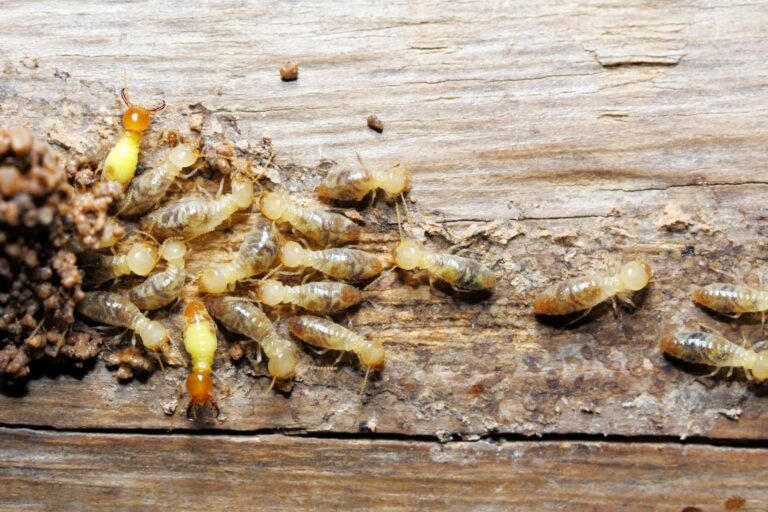
Large, black or reddish ants that tunnel into damp wood to build extensive nests. Unlike termites, they do not eat wood, but their excavations severely compromise structural framing over time. Prevent damage by repairing roof leaks, fixing plumbing issues, and replacing water-damaged timbers alongside targeted insecticide applications.
Pharaoh Ants
Tiny, yellow-to-light-red ants that nest deep within warm, hidden wall voids. Never use total-release foggers on them; the chemical stress causes the colony to “bud” and split into multiple new infestations. Rely exclusively on slow-acting, non-repellent baits to gradually wipe out these deeply entrenched indoor colonies.
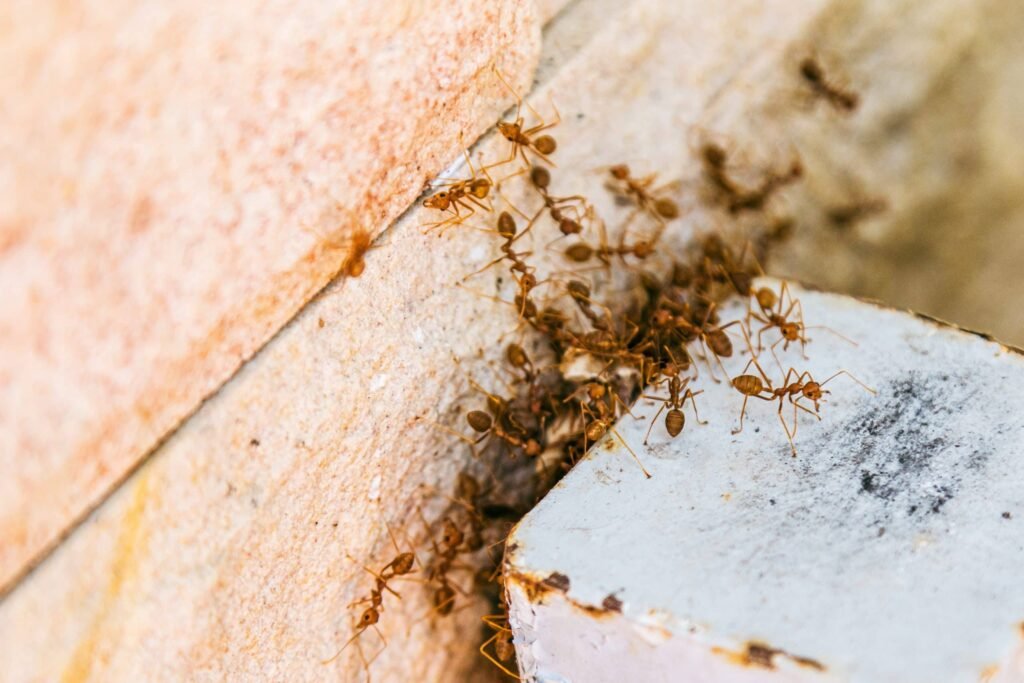
Deploy Effective Control Strategies
Store-bought aerosol sprays only eliminate the visible ants on the surface, leaving the main colony intact behind your walls. Reclaiming your space requires a targeted, multi-step approach that attacks the root of the problem. By combining strategic baiting, physical exclusion, and thorough cleaning, you systematically disrupt their foraging routes and eradicate the hidden nest for long-lasting results.
Use Slow-Acting Protein and Sugar Baits
Liquid or gel baits containing slow-acting poisons outperform contact sprays. Foragers consume the sweet or protein-rich mixture and carry it back to share with the queen and larvae. This delayed lethality ensures the toxic payload spreads throughout the entire colony, wiping out the nest from the inside out rather than just killing surface scouts.
Seal Entry Points
Inspect your home’s exterior foundation, doors, and windowsills for microscopic cracks and gaps. Use 100% silicone caulk to tightly seal these openings, along with utility pipe penetrations. Blocking physical access points prevents outdoor foragers from slipping inside your living spaces, cutting off new waves of infestations before they can establish indoor trails.
Eradicate Trail Pheromones
When foraging ants discover a food source, they leave an invisible chemical scent trail for nestmates to follow. Scrub countertops, floors, and baseboards with a mixture of equal parts white vinegar and warm water to break down these navigational markers. Eliminating pheromones disorients arriving scouts and stops incoming recruitment.
Prevent Future Infestations
Once you have cleared out the current invaders, maintain strict household habits to discourage new colonies from moving in.
- Store all pantry items, pet food, and sugars in airtight glass or heavy-plastic containers.
- Wipe down kitchen counters, sweep crumbs immediately after meals, and never leave unwashed dishes in the sink overnight.
- Fix leaky pipes and clear clogged gutters to eliminate the moisture sources that carpenter and moisture-loving ants crave.
- Trim back tree branches and shrubs that touch your home’s siding, as pests use them as natural bridges to reach upper-story entry points.
Final Thoughts
Controlling an ant infestation requires patience and a targeted strategy rather than frantic, random spraying. By correctly identifying the specific species invading your space, deploying slow-acting baits, and sealing critical entry points, you cut the problem off at the source. Maintaining strict kitchen hygiene and eliminating moisture sources ensures these aggravating pests stay outside where they belong, keeping your home permanently protected.