For any homeowner, the word “termite” triggers immediate concern about structural integrity and property value. As we move through 2026, the technology behind pest management has shifted from “chemical flooding” to precision-targeted systems and AI-driven detection.
But with so many options—liquid barriers, baiting systems, and heat treatments—which one is actually the “best”? The answer depends on your home’s construction, the termite species (Subterranean vs. Drywood), and whether you are treating an active infestation or preventing a future one.
The Modern Standard: Smart Baiting Systems
In 2026, Smart Baiting Systems (like Sentricon or Trelona ATBS) are widely considered the best long-term solution for residential homes. Unlike older methods, these systems utilize “Always-On” technology.
How it Works?
Professionals install discreet stations around your home’s perimeter containing high-grade cellulose laced with an Insect Growth Regulator (IGR) like Hexaflumuron.
The “Colony Collapse” Effect
Foraging termites find the bait, share it with the colony, and prevent the population from molting. This eventually leads to the death of the queen and the total collapse of the colony.
Why it’s the Best?
It is eco-friendly, requires no trenching or drilling into your foundation, and provides 24/7 monitoring through IoT sensors that alert technicians to activity in real-time.
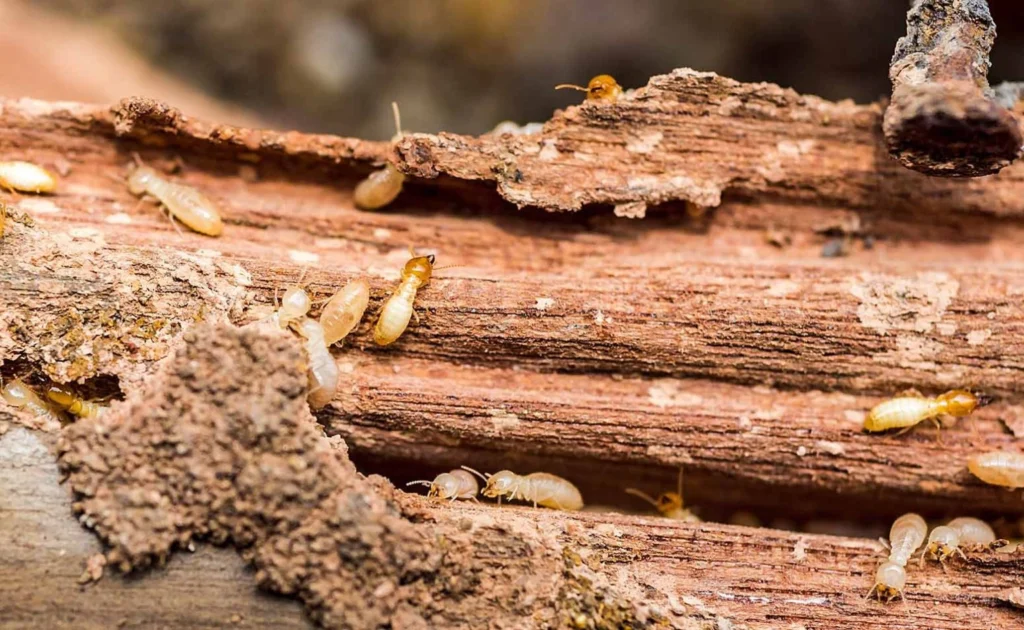
Liquid Soil Barriers: The “Impenetrable Wall”
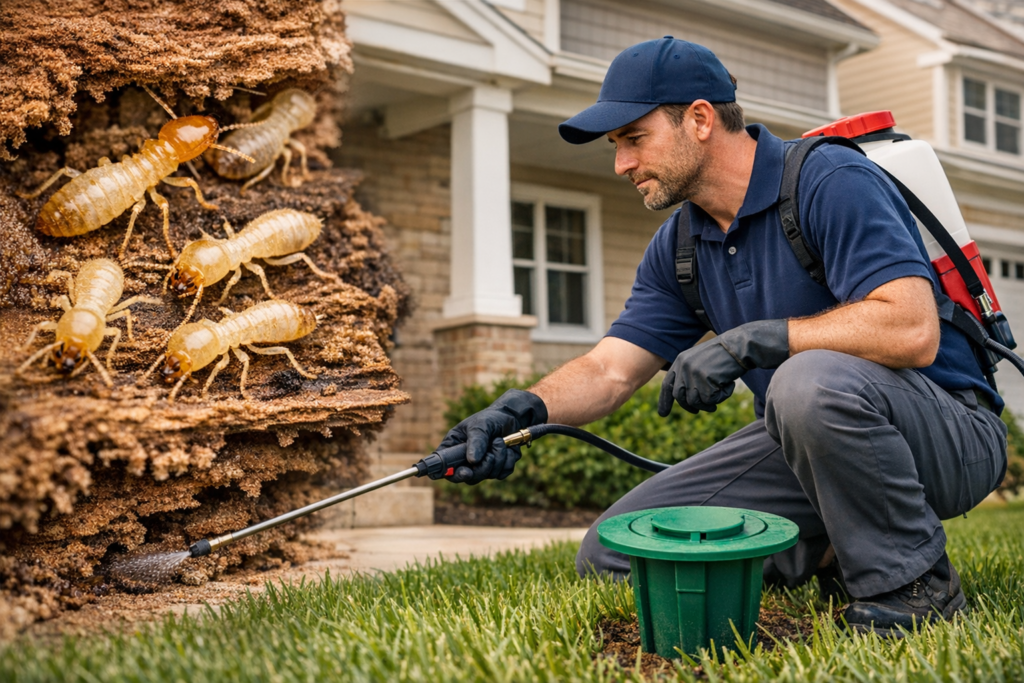
If you are dealing with an aggressive active infestation, a Liquid Soil Treatment remains the gold standard for immediate results.
Non-Repellent Termiticides
Modern chemicals like Fipronil (Termidor) or Imidacloprid are undetectable to termites. They don’t just keep termites out; termites crawl through the treated zone, pick up the “transfer effect,” and spread the lethal dose to the rest of the nest.
Longevity
Modern termite solutions are designed for enduring protection. Smart Baiting Systems offer permanent, “always-on” security through scheduled cartridge replacements, ensuring your perimeter is never vulnerable. Conversely, Liquid Soil Barriers typically provide a robust defense for 5 to 10 years, depending on soil composition and rainfall. Investing in high-grade treatments ensures long-term structural integrity and saves homeowners from frequent, costly reapplications.
Best For
Choosing the right treatment depends on your specific structural needs. Baiting stations are the premier choice for eco-conscious homeowners seeking proactive, long-term colony elimination without foundation drilling. Liquid barriers are best for immediate, aggressive intervention during active infestations. For those dealing with drywood species or sensitive environments, Heat Treatment is the ideal non-toxic alternative to traditional chemical fumigation or “tenting.”
Heat Treatment: The Non-Toxic Alternative
For homeowners prioritizing environmental safety and family health, Whole-Structure Heat Treatment is the ultimate non-chemical solution. Unlike traditional fumigation, which relies on synthetic gases, this method utilizes clean, dry heat to eliminate wood-destroying organisms. It is particularly effective for eradicating Drywood Termites nested deep within structural beams. By avoiding chemical residues, this eco-friendly approach ensures your indoor air quality remains pristine while delivering lethal results to invasive pests.
The Process
The treatment involves utilizing high-powered industrial heaters to circulate hot air throughout the home. Technicians strategically place thermal probes to monitor the internal temperature of wood members, ensuring they reach a consistent 120°F to 130°F. This target range is maintained for several hours, penetrating the densest timber to dehydrate and eliminate termites at every life stage, from eggs to adults.
The Benefit
The primary advantage of heat treatment is its remarkable efficiency and safety profile. Because it uses no toxic chemicals, there is no need for extensive “tenting” or vacating the premises for multiple days. Homeowners can return to a pest-free environment immediately after the structure cools, with zero risk of lingering odors or hazardous surface residues affecting children or pets.
Comparison: At a Glance
| Treatment Type | Best For | Effectiveness | Eco-Friendliness |
| Baiting Systems | Long-term prevention & colony elimination | High (Gradual) | Excellent |
| Liquid Barriers | Immediate protection & perimeter defense | High (Instant) | Moderate |
| Heat Treatment | Drywood termites (No chemicals) | High (Single day) | Excellent |
Why 2026 Technology Matters (Detection Over Guesswork)?
The “best” treatment is only as good as the inspection. In 2026, top-tier SEO-optimized pest services use:
Thermal Imaging
Precision is key in modern pest management. Thermal Imaging utilizes infrared technology to detect heat signatures hidden behind drywall or flooring. Because active termite colonies generate metabolic heat and maintain specific moisture levels, infrared cameras reveal “hot spots” that are invisible to the naked eye. This non-invasive diagnostic tool allows technicians to pinpoint infestations without damaging your home’s interior.
Acoustic Sensing
Modern detection has evolved beyond simple visual inspections. Acoustic Sensing devices act as high-tech “stethoscopes,” allowing professionals to listen for the distinct vibrations of termites chewing through wood. These sensitive tools can filter out ambient noise to identify the unique sound frequencies of worker termites, ensuring that even deep-seated infestations are localized with surgical accuracy before treatment begins.
Moisture Mapping
Termites are naturally drawn to damp environments, making Moisture Mapping a critical preventive strategy. By using specialized sensors to identify high-moisture zones within walls or foundations, technicians can locate potential “entry points” caused by leaks or poor drainage. Addressing these “red zones” proactively disrupts the conditions termites need to survive, effectively hardening your home against future invasions.
Can You DIY Termite Control?
While hardware stores sell granules and sprays, DIY termite control is generally not recommended for residential homes. Termites are “silent destroyers” that can bypass amateur barriers through gaps as small as 1/32nd of an inch. A professional service provides a treatment warranty, which is essential for home resale value and peace of mind.
Final Verdict
Protecting your home requires a strategic shift from reactive fixes to proactive, technology-driven prevention. By combining Smart Baiting Systems for year-round monitoring with precision tools like thermal imaging, you can eliminate colonies before structural damage occurs. Whether you choose the immediate impact of liquid barriers or the eco-friendly profile of heat treatments, professional intervention ensures lasting security. Prioritizing these modern solutions today is the best investment for your property’s future.