If you live in Dublin, California, you already know what a fantastic place it is to call home. From the bustling community vibes at Fallon Sports Park to the beautiful hillside views, the Tri-Valley area offers an incredible quality of life. However, Northern California’s unique climate also comes with a hidden hazard that every homeowner needs to take seriously: wood-destroying pests.
When it comes to protecting your investment, prevention is infinitely cheaper than repair. So, how often should homes in Dublin, CA have a professional termite inspection?
As a general rule of thumb, homeowners in Dublin should schedule a professional termite inspection at least once every 1 to 2 years. However, depending on your neighborhood, the age of your property, and environmental factors, you might need them even more frequently.
Let’s break down why Dublin homes are at risk, how often you should schedule checks, and the red flags you shouldn’t ignore.
Why Dublin, CA Homes Are Prone to Termites?
California’s mild, Mediterranean-style climate is a dream for residents—and an absolute paradise for pests. Unlike colder regions where winter freezes put a temporary halt to pest activity, Dublin’s weather allows termites to stay active and feed on your home year-round.
In the Dublin area, homeowners typically face two main culprits:
Subterranean Termites
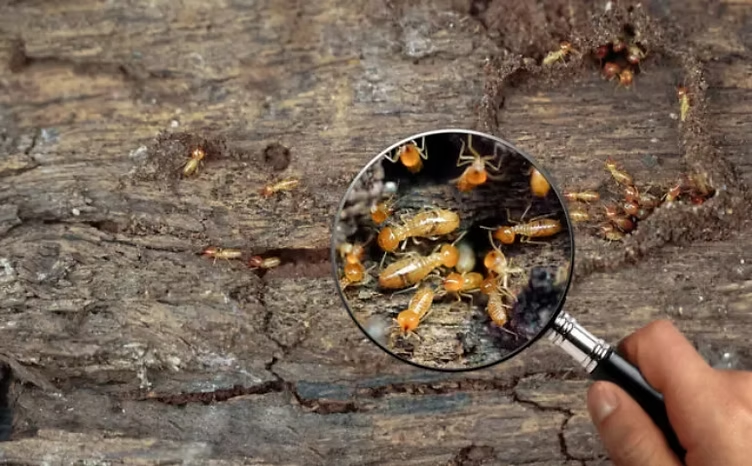
These destructive pests dwell underground and construct earthen mud tubes to access your home’s timber framing safely. Thriving in moist soil near foundations, they remain active year-round in Dublin’s climate, silently chewing through structural joists, subfloors, and support beams before homeowners ever notice visible exterior damage.
Drywood Termites
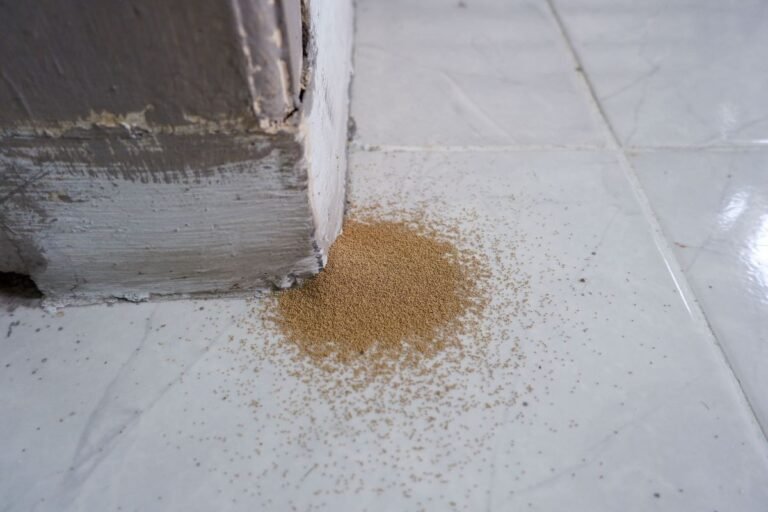
Unlike their soil-dwelling counterparts, drywood termites require no ground contact. They fly directly onto exposed structural wood—such as roof eaves, attics, and window frames—establishing hidden colonies inside. Homeowners often spot their presence only after finding small, sand-like droppings (frass) or discarded translucent wings indoors.
Breakdown: Recommended Inspection Frequencies
To keep your home safe, match your inspection schedule to your property’s specific profile:
Annual Inspections (Recommended for Most)
If your Dublin home is over a decade old, features wood decking, or sits near heavy landscaping, an annual check is essential. Dublin’s year-round warmth keeps pests active constantly. Catching subtle activity early protects your investment, preventing minor vulnerabilities from escalating into extensive, expensive structural repairs that threaten your home’s safety.
Every 2 Years (For Newer Construction)
Newer builds in Dublin benefit from modern construction codes and pre-treatments, allowing you to schedule professional inspections every two years. However, as properties age, foundation settling and minor cracks develop. These tiny shifts create unexpected entry points for opportunistic pests, making biennial oversight a smart preventative protect for newer homeowners.
Immediate (When Buying or Selling)
Real estate transactions in Dublin demand urgent attention regarding wood-destroying pests. Whether you are listing your property or purchasing a new home, an immediate professional inspection is vital. A comprehensive termite report uncovers hidden structural damage or active infestations, ensuring transparent negotiations and protecting both buyers and sellers from unexpected post-closing financial surprises.
Tell-Tale Signs You Need an Inspection Right Now
Don’t wait for your scheduled 1- or 2-year window if you notice warning signs. Call a professional immediately if you spot:
Frass or Pellets
Discovering tiny, sand-like piles of six-sided droppings near baseboards or windowsills is a classic warning sign. This material, known as frass, is pushed out of tiny kick-out holes by drywood termites actively tunneling and feeding inside your home’s hidden wooden structures.
Discarded Wings
After a termite swarm, winged reproductives shed their wings as they search for new places to mate and start a colony. Finding small piles of uniform, translucent wings on windowsills or floors often indicates that a nearby termite swarm has recently occurred.
Mud Tubes
Subterranean termites build pencil-thin, dirt-colored tunnels along concrete foundations or basement walls. These protective tubes shield the moisture-sensitive pests from dry air and predators as they travel from underground soil straight into your home’s structural timber framing.
Hollow Wood
When termites feed, they typically consume wood from the inside out, leaving a thin outer veneer intact. If baseboards, doors, or window frames sound hollow or papery when tapped, it often means pests have hollowed out the interior structural timber.
Blistered Paint
Termites often tunnel very close to the surface of painted wood, eating away the structural material beneath. This activity traps moisture and causes the paint to bubble, crack, or blister, mimicking water damage even though wood-destroying pests are the true culprits.
Simple Ways to Protect Your Dublin Home Between Inspections
While a professional inspection provides a vital baseline, you can proactively defend your property year-round:
Manage Moisture
Termites thrive in damp environments. Fix plumbing leaks promptly, ensure proper ventilation in crawl spaces, and direct gutter downspouts well away from your foundation. Keeping the soil around your Dublin home dry significantly reduces its attractiveness to moisture-loving subterranean pests.
Maintain Clearance
Prevent direct wood-to-soil contact by keeping siding, wooden decks, and structural framing well above ground level. Store firewood and lumber away from your house exterior, and maintain a clear barrier of gravel or space between garden mulch and your home’s foundation.
Seal Cracks
Block entry points by caulking gaps around utility pipes, vents, and minor foundation cracks. Even hairline fractures can provide subterranean termites with hidden pathways into your home. Regular exterior sealing acts as a powerful first line of defense against invading pests.
Conclusion
A professional termite inspection is not an unnecessary expense; it is vital preventative maintenance. By scheduling an inspection every 1 to 2 years, Dublin homeowners can catch minor issues before they morph into thousands of dollars in structural damage.