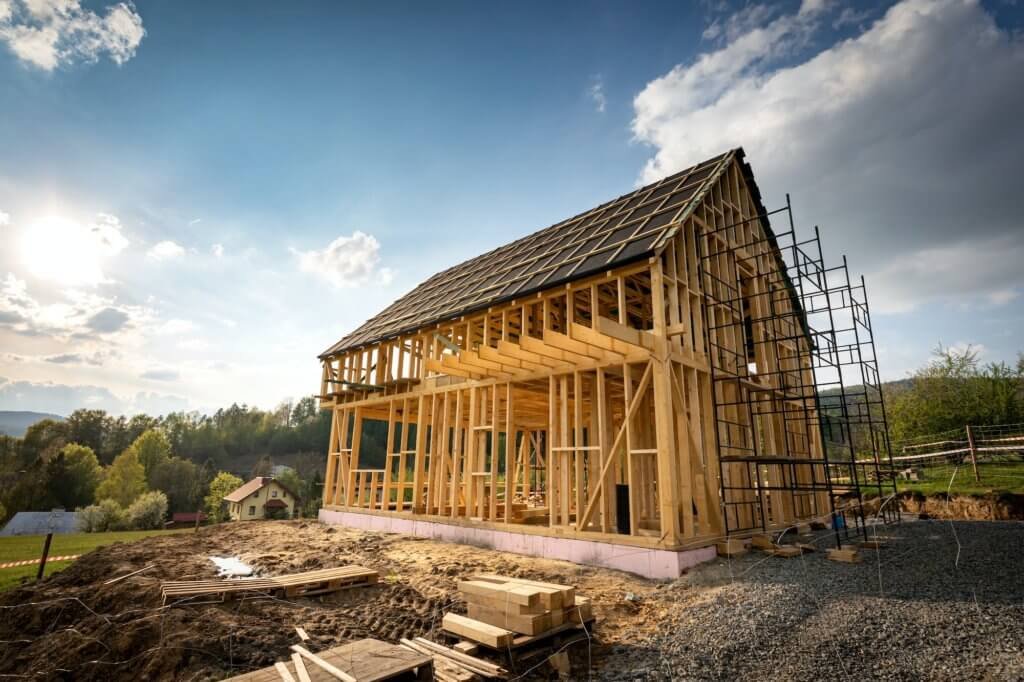
It is a common myth that buying a brand-new home means you are entirely safe from unwanted creepy-crawlies. After all, everything is pristine, sealed tight, and untouched by previous residents.
Unfortunately, the reality is quite different. Yes, new construction homes can and frequently do get pest problems.
In fact, new builds often face a unique set of vulnerabilities that can attract pests right from the start. Understanding why these properties are at risk and how you can protect your investment is essential for every new homeowner.

Why New Construction Homes Are Vulnerable to Pests?
Pests do not care whether a home is a century old or built last month; they are driven by basic survival needs: food, water, and shelter. Here is why new construction properties frequently become prime targets:
Disturbed Ecosystems
Construction disrupts natural habitats. When land is cleared, graded, and excavated, local pests like rodents, ants, and spiders are displaced from their underground burrows and brush, forcing them to look for alternative shelter nearby—which is often your new foundation.
Moisture in Building Materials
Lumber, drywall, and concrete used during construction hold significant moisture. Trapped moisture inside walls creates a damp microclimate that attracts wood-destroying organisms like termites, carpenter ants, and fungus gnats.
Unsealed Entry Points
During a fast-paced construction schedule, utility lines, plumbing penetrations, and crawlspaces can leave behind tiny gaps, cracks, and unsealed utility penetrations, providing easy highways for pests.
Scraps and Debris Left Behind
Construction sites generate plenty of scrap wood, drywall dust, and food wrappers left behind by contractors. These organic materials serve as an immediate food source and nesting ground.
Common Pests Found in New Builds
While you might not deal with mice nesting in old insulation right away, certain pests are notorious for invading modern homes:
Subterranean Termites
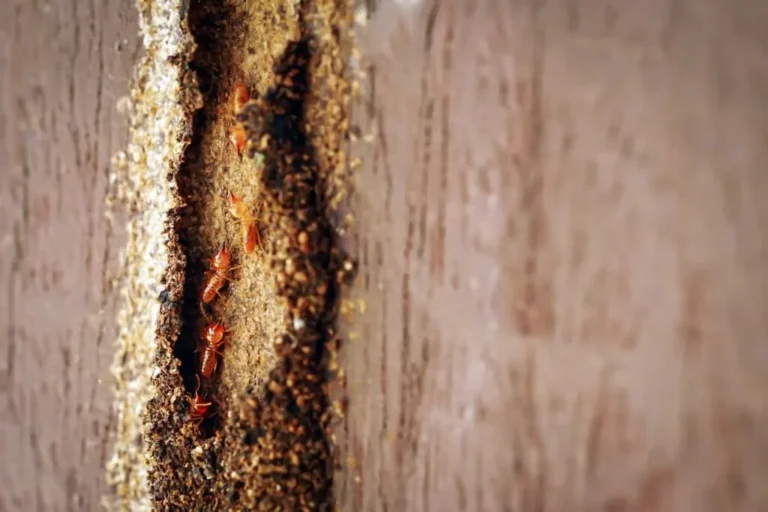
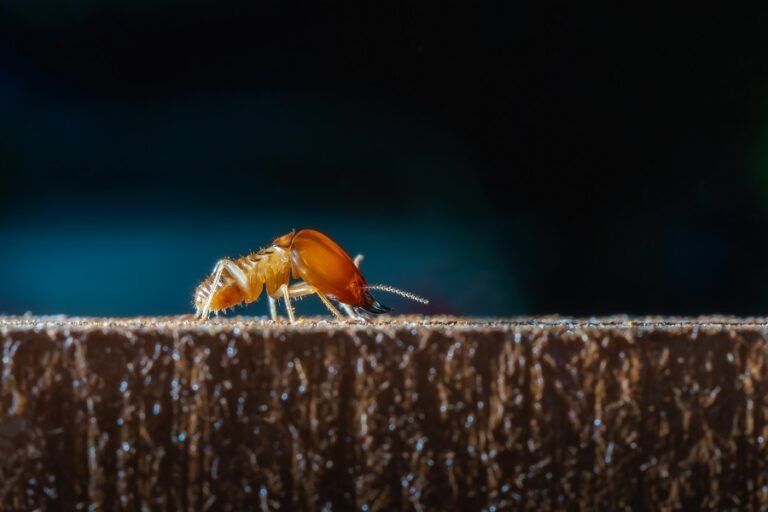
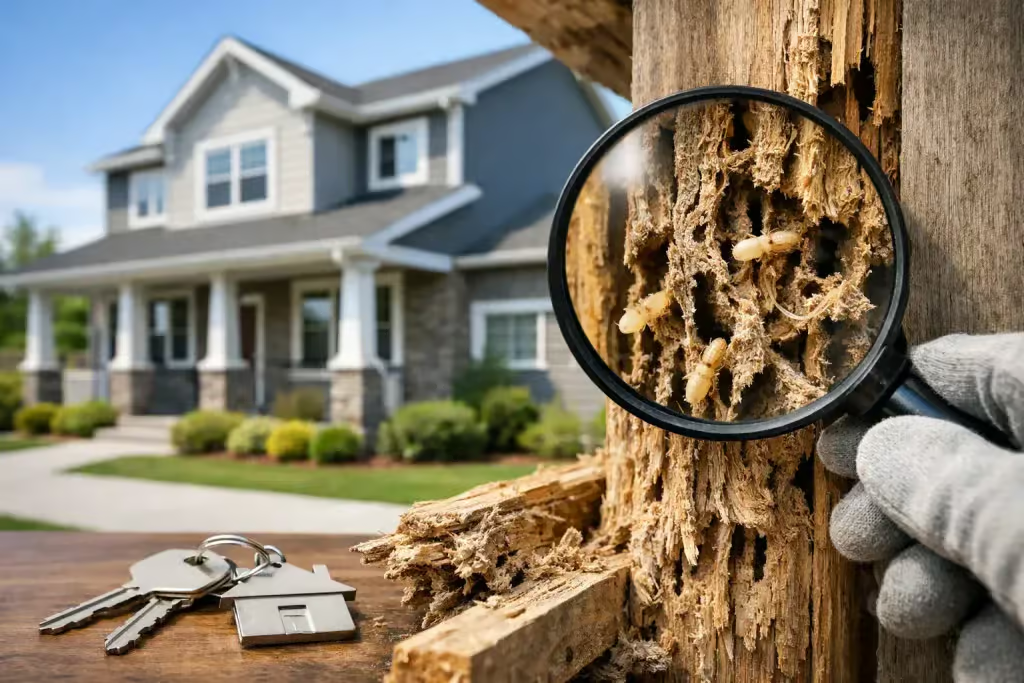
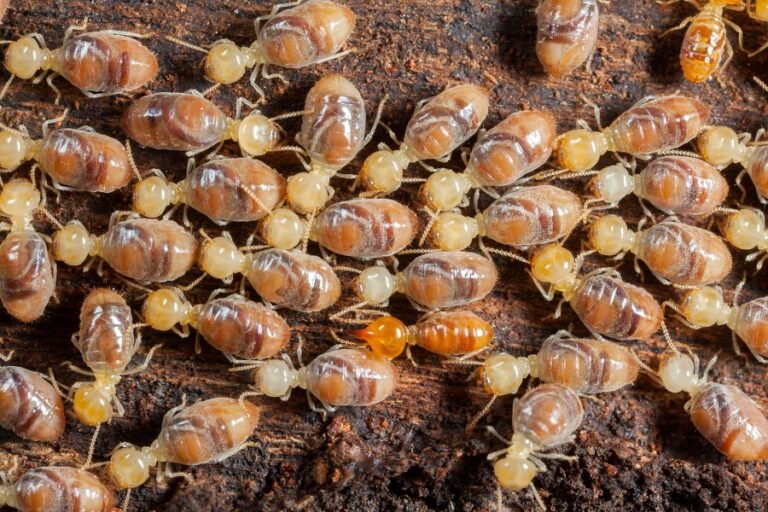
These destructive pests thrive in moist soil and feed eagerly on the cellulose-rich lumber used in modern framing. Because new construction sites often leave wood scraps buried nearby and concrete slabs retain trapped moisture, termites can easily tunnel up through expansion joints to attack your home’s structural foundation before you ever notice them.
Rodents (Mice and Rats)
Heavy machinery and earthmoving during construction displace local field mice and rats, driving them to seek immediate warmth and shelter. They slip effortlessly through tiny unsealed gaps around utility lines, garage doors, and crawlspaces, quickly turning your brand-new insulation and wall cavities into hidden nesting grounds.
Nuisance Ants
Pavement ants and odorous house ants frequently colonize freshly laid topsoil, sod, and newly landscaped yards. Attracted by leftover construction food debris or initial indoor moisture, these resilient invaders find easy pathways inside through microscopic cracks in exterior foundations, sliding glass door tracks, and unsealed utility penetrations.
Stinging Insects
Wasps, hornets, and yellowjackets actively scout for protected, elevated nesting sites on newly framed properties. The exposed overhangs, deep soffits, unpainted eaves, and open deck structures of a brand-new build provide ideal, undisturbed cover for these aggressive insects to establish colonies before preventative treatments are applied.
Proactive Steps to Protect Your New Home
Protecting a new construction home from pests requires a mix of builder accountability and homeowner vigilance. Use these strategies to keep your property secure:
Schedule a Professional Pest Inspection
Do not assume standard municipal building inspections cover pest activity. Hire an independent, licensed pest control expert to conduct a thorough baseline evaluation of your new property. Catching early vulnerabilities or hidden termite activity before minor issues escalate saves you from costly structural repairs down the road.
Seal Gaps and Cracks
Walk the entire exterior perimeter of your home to inspect where utility pipes, vents, and electrical lines enter the walls. Use high-quality exterior caulk, weatherstripping, or expanding foam to block tiny gaps and entry points, effectively preventing mice, ants, and other crawling pests from slipping inside.
Manage Landscaping and Drainage
Keep mulch, flower beds, shrubs, and tree branches at least two to three feet away from your home’s exterior foundation walls. Ensure your gutters, downspouts, and splash blocks direct rainwater far away to eliminate standing water and damp soil conditions that routinely attract moisture-loving pests.
Remove Construction Debris Promptly
Contractors often leave behind scrap lumber, drywall pieces, packaging materials, and discarded food wrappers buried in the yard or left in crawlspaces. Clear away all leftover construction waste immediately to eliminate hidden nesting grounds, shelter, and instant food sources for foraging rodents and insects.
Conclusion
A brand-new home offers incredible peace of mind when it comes to plumbing, electrical systems, and structural integrity, but it is not naturally immune to pests. By understanding the unique environmental factors that attract critters to new developments and taking early preventative measures, you can ensure your dream home remains comfortable, clean, and entirely pest-free.