Imagine sitting in your living room in the quiet evening hours, only to hear a faint scratching, scuttling, or chewing sound coming directly from behind the drywall. It is an unnerving experience that instantly shifts your peace of mind.
When pests invade the space between your walls, they find a dark, hidden, and temperature-controlled sanctuary complete with insulation for nesting and easy pathways to travel throughout your entire home. Because these invaders operate out of sight, catching an infestation early requires knowing what subtle signs to look for.
Read on to learn how to identify a hidden pest problem inside your walls before it turns into a costly structural emergency.
Unusual Sounds in the Dead of Night
The most common and immediate indicator of pests behind drywall is auditory. Because many common household pests—such as mice, rats, and squirrels—are nocturnal, you are most likely to hear them after dark when the house settles and ambient noise drops significantly, turning even the tiniest scurry into a glaring warning sign of an active, hidden infestation.
Scratching and Scuttling
Light, rapid scratching or scurrying sounds usually point directly toward rodents like mice or rats navigating your wall voids. You might notice these quick, pattering movements racing up and down the vertical framing as these agile invaders travel between your ceiling and floorboards searching for nesting materials or food sources.
Thumping or Heavy Thuds
Heavier, slower movements indicate larger intruders. If you hear dull thuds or rolling sounds, larger pests like raccoons, opossums, or even roof rats may have breached your attic or larger wall cavities. These bigger animals create noticeable, heavy impacts that clearly separate them from smaller mice.
Ticking or Clicking
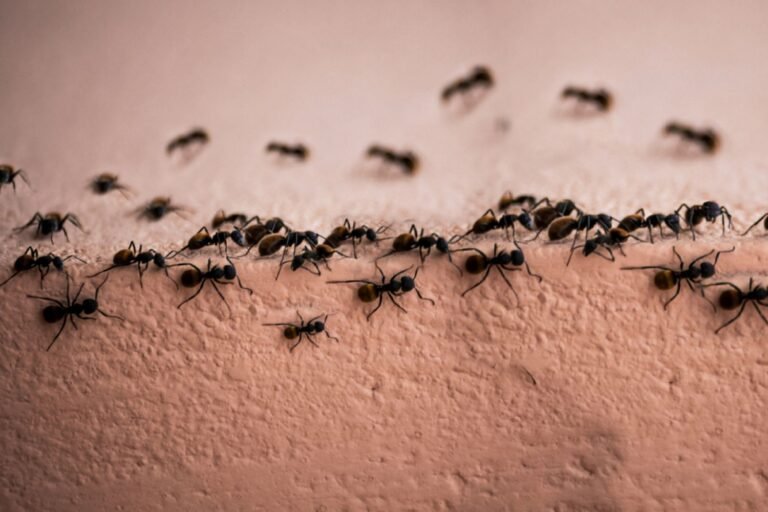
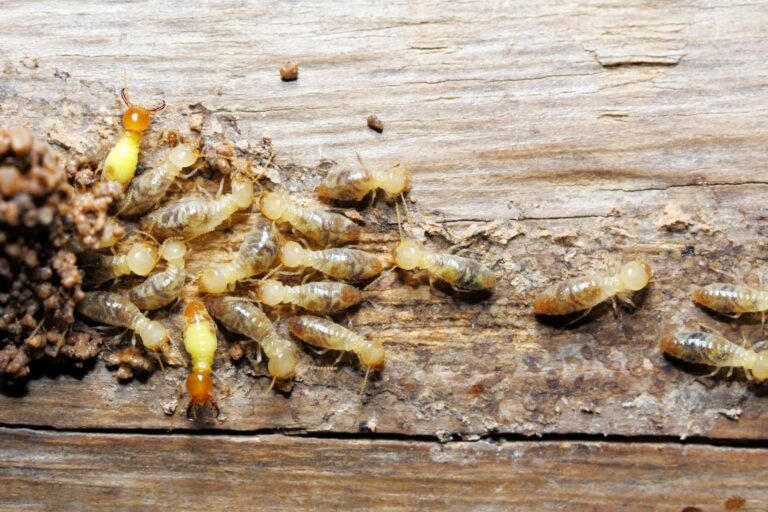
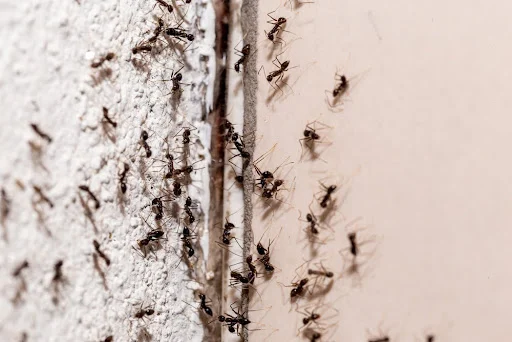
Termites, carpenter ants, and other wood-boring insects can sometimes make faint clicking, tapping, or rustling noises as they chew through structural framing. While harder to hear over daytime background noise, pressing your ear to the wall in a quiet room can reveal this subtle, destructive activity.
Unexplained Visual Clues on Baseboards and Walls
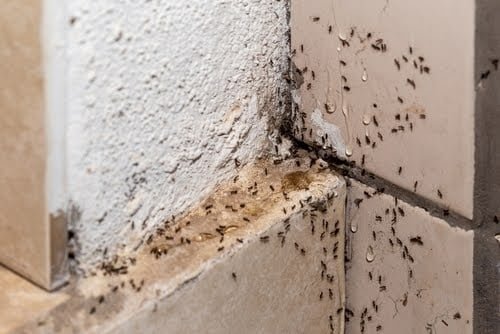
Pests rarely stay completely hidden. Even if they live inside the wall cavity, they must venture out for food and water, leaving telltale physical evidence behind. Inspecting your baseboards, corners, and drywall surfaces regularly allows you to spot these subtle warning signs early, helping you catch an active infestation before it causes widespread property damage.
Gnaw Marks and Holes
Check baseboards, door frames, and drywall edges for small, freshly chewed holes or splintered wood. Rodents constantly gnaw on hard surfaces to keep their front teeth trimmed down, leaving distinct, rough-edged bite marks. Finding these small structural damages means pests are actively using your walls as highways.
Smudge Marks and Grease Trails
Rodents naturally have oily fur. As these pests repeatedly squeeze through tight gaps along wall voids, electrical outlets, and baseboards, they leave dark, greasy smudges or smears on the paint or wallpaper. If you notice dark streaks near floor corners, it is a clear path of frequent travel.
Droppings and Urine Stains
Finding small, dark, pellet-like droppings near floor corners, inside pantries, or along baseboards confirms pests are utilizing your walls. Additionally, a yellowish stain or a strong, stale odor near entry points often indicates urine accumulation, signaling an established and active infestation that requires immediate attention.
Lingering Strange Odors
If you notice a strange smell in a specific room or hallway and cannot find the source, the culprit might be trapped inside your insulation or framing. Odors are often one of the most neglected warning signs of a hidden infestation. Because air circulates through wall cavities, these concentrated smells eventually seep into your living spaces, signaling that pests have taken over your home’s hidden structural areas.
Musky, Urine-Like Smells
A strong, stale, or ammonia-like odor usually indicates a heavy buildup of rodent waste accumulating inside a closed wall cavity. As populations grow, their urine and droppings create an overpowering scent that intensifies over time, often becoming most noticeable near electrical outlets, baseboards, or heating vents.
Musty, Damp Scents
Excess moisture brought in by pests, combined with nesting materials and accumulated waste, creates a concentrated, musty smell. If you detect a damp, earthy odor behind a wall where there are no plumbing leaks, it frequently points to a hidden nest trapping moisture and ruining your insulation.
The Smell of Decay
If a pest gets trapped inside a wall and dies, it produces a powerful, highly distinctive odor of decomposition. This foul smell appears suddenly and worsens over days, requiring a professional inspection to locate and safely remove the carcass from your framing.
Changes in Behavior from Household Pets
Your pets possess a far superior sense of hearing and smell compared to humans. If your cat or dog suddenly becomes obsessed with a specific wall, baseboard, or corner, it is worth paying attention.
- Staring intently at a blank wall for long periods
- Pawing, scratching, or sniffing frantically at the baseboards
- Whining or displaying unusual alertness in a particular room
Animals can hear the faint squeaking, scratching, and movement of pests inside the drywall long before we notice anything amiss.
Damaged Insulation and Dropping Energy Efficiency
Pests inside walls love to tear apart fiberglass insulation, paper backing, and drywall materials to build warm, secure nests. When insulation is heavily tunneled, compacted, or destroyed, its thermal performance drops. If you notice certain rooms are harder to keep warm or cool, or if your utility bills spike unexpectedly without a clear reason, compromised insulation due to a hidden infestation could be a contributing factor.
Conclusion
Discovering pests inside your walls can be stressful, but ignoring the warning signs only gives them time to multiply and cause severe structural damage. By staying vigilant for unusual nighttime noises, visual clues, and lingering odors, you can catch infestations early. Avoid trapping animals by sealing holes blindly. Instead, consult a licensed pest control professional to safely eliminate the problem, protect your insulation, and restore your home’s peace.