Finding bugs or rodents in your home after paying for a professional exterminator can be frustrating. You might feel like the treatment didn’t work, but in many cases, seeing pests right after a service is actually a normal part of the process.
To help you understand what is happening behind the walls and under the baseboards, here are the top reasons you might still spot pests after a professional pest control visit—and what you can do about it.
The Flushing Effect
Professional treatments often use flushing agents designed to irritate pests, driving them out of hidden nests, wall voids, and deep cracks into the open. Seeing a sudden surge of activity right after an exterminator visits can feel alarming, but it is actually a sign that the product is working. Instead of dying silently behind drywall, pests are forced out where they encounter lethal residual barriers.
What it Means?
This temporary spike in pest visibility means the treatment has successfully disrupted their nesting habits and forced them out of hiding spots you could not reach. Rather than indicating a failed service, it proves the chemical is actively routing them out. They are now exposed to the treated surfaces and on their way to being fully eliminated from your living spaces.
What to Expect?
Expect to see an increase in wandering pests over the first few days following your treatment. They may appear sluggish, uncoordinated, or disoriented as the chemical takes effect. This activity tapers off sharply within a week. Avoid wiping down baseboards or using surface sprays during this window so the treatment can complete its job effectively without interference.
Eggs Haven’t Hatched Yet
While professional treatments effectively eliminate adult pests and active larvae, many insect eggs possess a tough, protective outer shell. This natural casing shields them from standard chemical applications. Because these eggs are safely insulated during the initial visit, they remain viable and continue their incubation cycle uninterrupted, meaning a brand new generation of pests can emerge weeks after the initial extermination service has been completed.
What it Means?
This emergence means your infestation is clearing in phases rather than all at once. The treatment successfully targeted the active population, but untouched eggs hatched on schedule. It does not mean the original service failed; rather, it highlights why biological life cycles require strategic, multi-stage treatment plans to achieve total home eradication.
What to Expect?
Anticipate seeing small, newly hatched nymphs appearing weeks after the treatment. This is entirely normal. Because of this natural cycle, reputable pest control companies schedule mandatory follow-up visits to neutralize these emerging pests before they mature, reproduce, and restart the infestation cycle in your home.
Pests Are Traveling Across Treated Surfaces
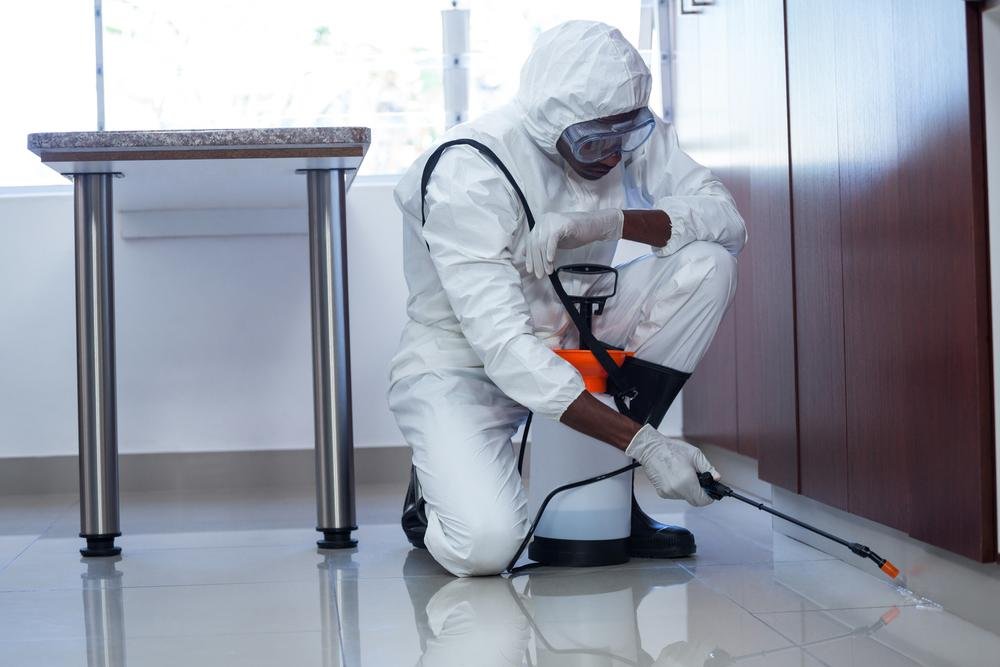
Residual pest control treatments rely on a simple concept: insects must crawl over treated zones to pick up a lethal dose. Depending on the specific formula used, these professional products do not always kill on direct contact. Instead, they require time to take effect. An insect might wander across a treated baseboard, absorb the active ingredient, and still retain enough energy to crawl around your floors for hours or even days.
What it Means?
Seeing a bug crawling leisurely across your living room does not mean the product failed. It simply means the insect is caught in the transition window between exposure and expiration. The slow-acting nature of residual treatments is intentional; it allows foraging pests to carry traces of the product back to their hidden nests, helping to wipe out the entire colony rather than just a single traveler.
What to Expect?
Expect to spot disoriented or dying pests out in the open as they succumb to the treatment over several days. They may move more slowly or appear uncoordinated. To help the process, leave treated baseboards and entry points completely undisturbed. Avoid cleaning chemicals in those zones so the residual barrier can do its job and finish off the remaining pests.
New Pests Are Being Attracted From Outside
Treating your home’s interior eliminates the existing infestation, but it does not change the outdoor environmental factors drawing bugs to your property. If your yard or exterior walls offer ideal conditions, new pests will constantly migrate indoors to replace the ones that were just wiped out. Without addressing these exterior pull factors, you will experience a revolving door of recurring pest invasions despite regular indoor treatments.
Common Triggers Include
- Unsealed gaps around doors, windows, and utility entry points.
- Overgrown tree branches, shrubs, or mulch touching your home exterior.
- Standing water from clogged gutters, poor drainage, or leaking spigots.
- Accessible food sources like unsecured outdoor trash bins or pet food.
What it Means?
This continuous wave of bugs means your indoor treatments are fighting a losing battle against an active outdoor breeding ground. The problem is no longer an internal failure, but an environmental invitation. To stop pests permanently, you must combine your interior treatments with solid exterior property maintenance and structural exclusion methods.
What Should You Do Next?
Navigating post-treatment pest activity requires patience and a strategic approach. While seeing bugs after an exterminator visit is frustrating, following the right steps ensures the treatment successfully eliminates the infestation. Focus on giving the products time to work, protecting the application barriers, and tracking lingering activity to maximize your results.
Wait Out the Window
Give your treatment at least seven to ten days to take full effect. Professional residual products and slow-acting baits need this window to achieve complete knockdown across the colony. Resist the urge to panic or immediately re-treat areas, as rushing the process interferes with the chemical cycle required to eradicate the remaining pests.
Avoid Immediate Cleaning
Refrain from washing floors with harsh chemical cleaners or wiping down treated baseboards right away. Doing so breaks down or washes away the protective insecticide barrier left by your technician. Let the product stay intact along pathways and entry points so foraging pests continue picking up the lethal active ingredients.
Document the Pests
Take note of the specific species, size, and exact locations where you spot lingering bugs. Tracking this data provides valuable insights if you need to contact your exterminator for a re-service warranty visit. Clear details help technicians pinpoint stubborn nesting zones and adjust their strategy during any necessary follow-up treatments.
Final Thoughts
Looking pests after a professional extermination visit can be alarming, but it is rarely a sign of a failed service. In most cases, a post-treatment surge simply means the products are actively flushing bugs from hiding, neutralizing hatching eggs, or working their way through slow-acting residual barriers. By understanding these natural cycles and giving the treatment time to run its course, you can let the process work effectively. Patience, proper maintenance, and targeted follow-up care will ensure your home stays protected and pest-free for the long haul.