Buying a home in Danville is a significant investment. With median home prices hovering around $1.7M as of early 2026, the “due diligence” phase isn’t just a formality—it’s a financial safeguard.
A professional home inspection in Danville isn’t just about looking for leaks; it’s about evaluating how a property stands up to the specific environmental and architectural demands of the San Ramon Valley.
Here is exactly what a professional home inspector checks in a Danville home.
Structural Integrity & Foundation
The structural integrity of a Danville home is its most vital attribute, serving as the backbone for safety and long-term value. A professional inspector meticulously evaluates the “bones” of the property to ensure the skeleton can withstand environmental pressures. In Northern California’s seismic landscape, this assessment is non-negotiable. By examining the load-bearing components from the roofline down to the footings, an inspector identifies hidden risks that could lead to catastrophic failure or depreciating equity.
Foundation
In the San Ramon Valley, the foundation is under constant pressure from shifting clay soils and proximity to fault lines. A professional inspector scrutinizes the concrete perimeter and crawlspace for warning signs like “stair-step” masonry cracks or horizontal fractures, which indicate significant hydrostatic pressure. They also check for moisture intrusion and efflorescence—white powdery residue that signals drainage issues. Ensuring the foundation is level and secure is the primary defense against the costly structural stabilization often required in older Danville estates.
Framing
Framing acts as the internal chassis of the home, distributing weight safely to the foundation. During this phase, the inspector enters the attic and crawlspace to examine floor joists, wall studs, and rafters. They look for “sistering” (repairs to weakened beams), sagging ridge lines, or wood rot caused by poor ventilation. In Danville’s luxury builds, large open-concept floor plans rely on massive headers and steel beams; an inspector ensures these critical spans remain uncompromised and free from insect damage or DIY alterations.
Roofing
The roof is a Danville home’s first line of defense against the elements. Inspectors evaluate the condition of shingles or tiles, looking for sun-bleached brittleness or mechanical damage from overhanging oak trees. Beyond the surface, they check the “valleys” and “flashing” around chimneys and vents—the most common points for leaks. Given the region’s high fire-risk ratings, the inspector also confirms the roof’s material rating and ensures that gutters are clear of debris to prevent water back-flow and premature fascia rot.

The “Big Three” Systems: Electrical, Plumbing, and HVAC
The “Big Three” represent the mechanical heartbeat of any Danville residence. A professional inspector prioritizes these systems because their failure often leads to the most expensive repairs or significant safety hazards. From climate control during scorching East Bay summers to ensuring modern electrical loads are handled safely, these evaluations determine the functional viability and overall comfort of the home.
Electrical
Electrical inspections in Danville focus on both safety and capacity. Inspectors examine the main service panel for outdated breakers or signs of “double-tapping,” which can lead to overheating. They verify that kitchens, bathrooms, and outdoor areas are equipped with GFCI (Ground Fault Circuit Interrupter) protection to prevent shocks. With many homeowners installing EV chargers or smart home systems, the inspector also ensures the amperage is sufficient for modern demands while flagging any hazardous DIY wiring or ungrounded circuits.
Plumbing
A comprehensive plumbing check goes beyond looking for a leaky faucet. The inspector monitors water pressure and evaluates the material of the supply lines, identifying problematic galvanized steel or PEX installations. They inspect the water heater for proper venting and seismic strapping—a California code requirement. By checking for “hidden” leaks under sinks and around toilets, they prevent wood rot and mold growth. In older Danville neighborhoods, they specifically watch for slow drains that may indicate root intrusion.
HVAC
In the San Ramon Valley, a reliable HVAC system is a necessity rather than a luxury. The inspector tests the furnace and air conditioning unit to ensure they reach the appropriate temperature differentials. They inspect the ductwork for air leaks and examine the condensate lines to prevent water damage. For Danville’s older homes, the focus is on the age of the heat exchanger and the efficiency of the filtration system, ensuring the air you breathe is clean and the energy bills remain manageable.
Exterior and Site Grading
The exterior inspection focuses on the home’s “shell” and the land it sits on, which are critical for long-term preservation. In Danville’s varied terrain, from flat valley lots to steep Tassajara hillsides, how a property interacts with its environment determines its durability. A professional inspector evaluates these outer layers to ensure the home remains watertight and structurally sound, preventing expensive environmental damage before it even begins.
Grading
Proper grading is the unsung hero of home maintenance in the San Ramon Valley. An inspector verifies that the soil and landscaping slope away from the foundation at a sufficient pitch to prevent water pooling. In Danville’s clay-heavy soil, poor drainage can lead to hydrostatic pressure, causing basement seepage or foundation upheaval. The inspector also checks for “low spots” near the perimeter and ensures that downspout extensions effectively direct rainwater into the municipal storm drains.
Exterior Envelope
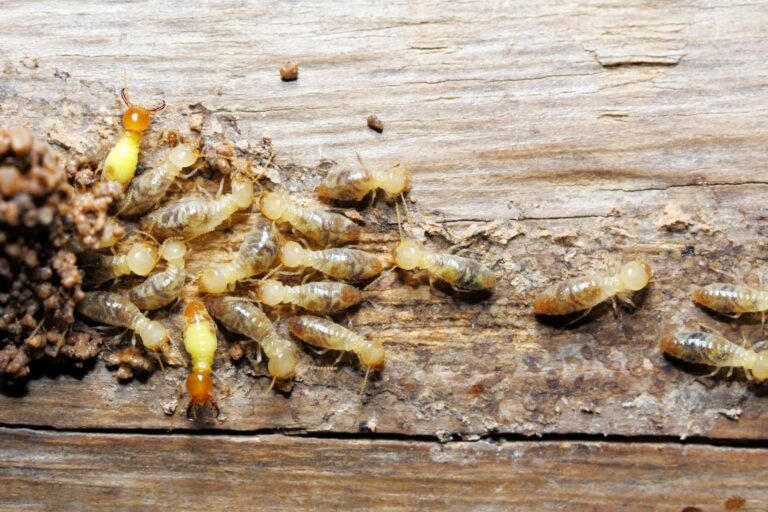
The exterior envelope consists of the siding, trim, and paint that shield the home’s framing. Inspectors look for cracks in stucco, wood rot in siding, or gaps in caulking that could allow moisture or pests to enter. In Danville, they pay special attention to “wood-to-earth” contact, which is a common precursor to termite infestations. They also evaluate the condition of windows and doors, ensuring the seals are tight to maintain energy efficiency during hot summer months.
Hardscape
Hardscape elements, including driveways, walkways, and retaining walls, are essential for both safety and curb appeal. A professional inspector checks for significant cracks or “tripping hazards” caused by root growth from Danville’s many mature oak trees. They also examine the integrity of retaining walls, which are common on sloped East Bay lots, to ensure they aren’t leaning or failing. Properly functioning hardscapes ensure that heavy rains don’t wash away landscaping or undermine the stability of the main structure.
Interior Safety and Functionality
The interior inspection focuses on the daily livability and safety of the Danville home. A professional inspector moves through every room to ensure that the home’s “finishes” are more than just aesthetic. By testing safety devices, evaluating egress points, and checking for moisture markers, they confirm that the indoor environment is secure, energy-efficient, and functioning as intended for a modern family’s needs and regional building codes.
Windows & Doors
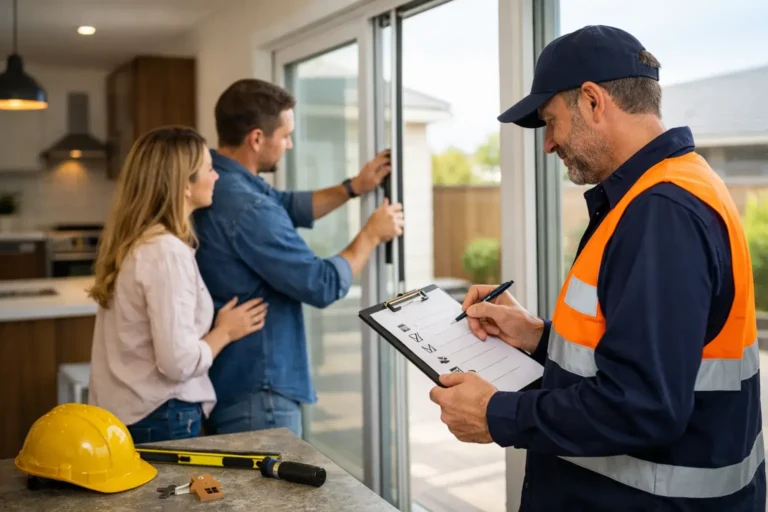
Windows and doors are critical for both security and thermal performance in Danville’s fluctuating climate. An inspector tests for smooth operation, ensuring that “emergency exit” windows in bedrooms open easily and stay propped. They look for “blown seals” in double-pane glass, which appear as fogging and indicate a loss of insulation value. Additionally, they check the weatherstripping and door sweeps to ensure the home remains airtight, keeping the valley’s summer heat and winter drafts at bay.
Attic & Insulation
The attic serves as the home’s “thermal hat,” and in the East Bay, proper insulation is key to lower utility bills. An inspector evaluates the depth and condition of the insulation material, checking for gaps that lead to energy loss. They also scrutinize the space for signs of roof leaks, wood rot, or pests like squirrels or rats. Proper ventilation is also confirmed; without it, Danville’s high summer temperatures can “bake” shingles from the inside out.
Appliances
A professional inspection includes a functional test of all permanently installed kitchen and laundry appliances. The inspector runs a short cycle on the dishwasher to check for leaks, tests the oven’s heating elements, and ensures the microwave and garbage disposal operate correctly. They also verify that the range hood vents properly to the exterior—a vital safety feature for gas stovetops. This assessment provides Danville buyers with peace of mind that their move-in week won’t involve expensive mechanical failures.
The “Danville Specifics”: What to Watch For
Because of our local climate and geography, inspectors often highlight:
Wildfire Safety
In Danville’s high-risk WUI (Wildland-Urban Interface) zones, inspectors prioritize fire-hardening features. They examine the roof for ember-resistant materials and check attic vents for fine-mesh screening. Ensuring a “defensible space” by identifying flammable vegetation near the structure is a vital safety step for protecting East Bay hillside properties from seasonal wildfire threats.
Gas Shut-off Valves
Due to regional seismic activity, Contra Costa County often requires automatic earthquake gas shut-off valves. An inspector verifies that these safety devices are correctly installed on the main gas line. These valves automatically cut the fuel supply during a significant tremor, preventing post-earthquake fires and providing essential peace of mind.
Pool/Spa Safety
Danville luxury homes frequently feature pools, making safety barriers a top priority. Inspectors check for self-closing, self-latching gates and functional door alarms for all house-to-pool exits. They also evaluate the visible condition of the pool deck and coping, ensuring there are no major cracks or tripping hazards for your family.
What Is NOT Included?
It is important to remember that a standard home inspection is non-invasive. An inspector will not:
- Look inside walls or behind heavy furniture.
- Perform a specialized sewer lateral scope (highly recommended for older homes in Danville).
- Test for hazardous materials like asbestos or lead-based paint (though they may flag “suspect” materials).
Final Thoughts
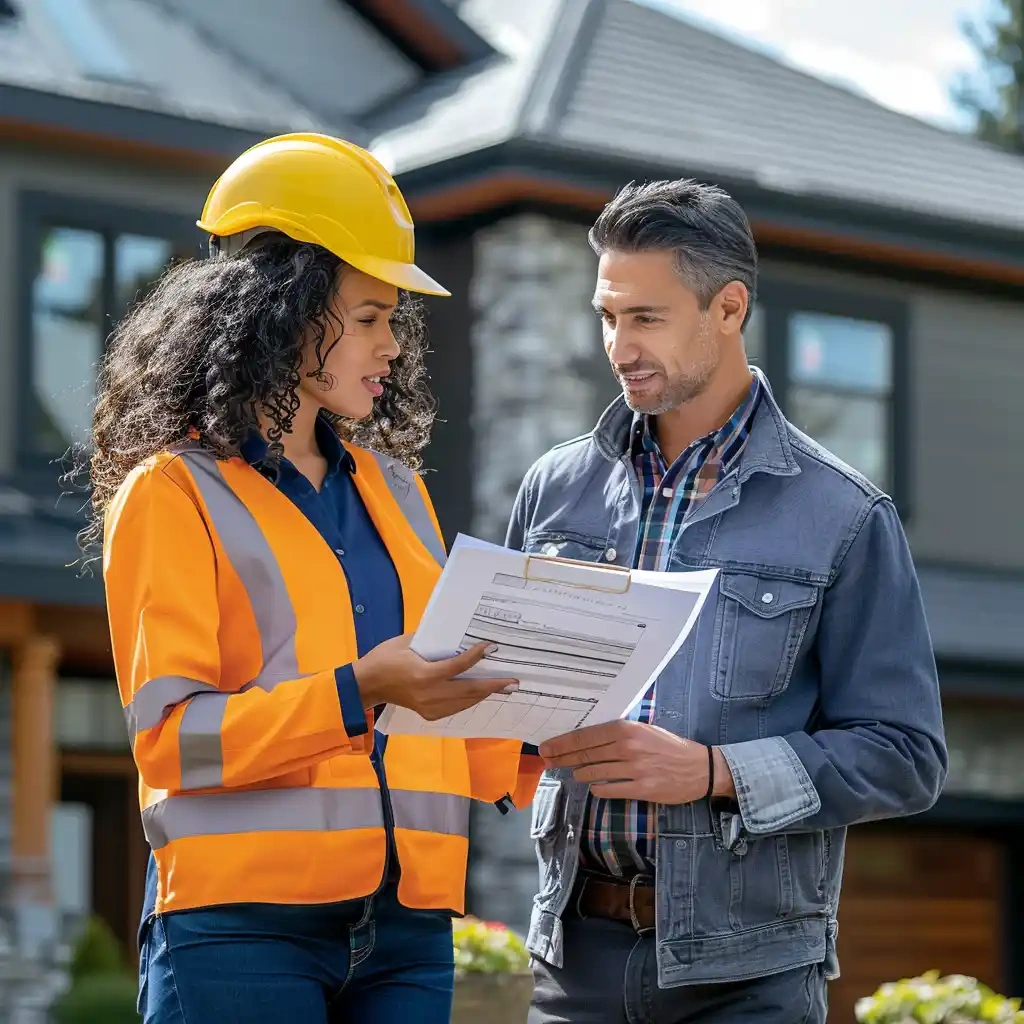
A professional home inspection is your best defense when navigating Danville’s premium real estate market. By identifying structural, mechanical, and safety concerns early, you gain the leverage needed to negotiate repairs and protect your investment for years to come.