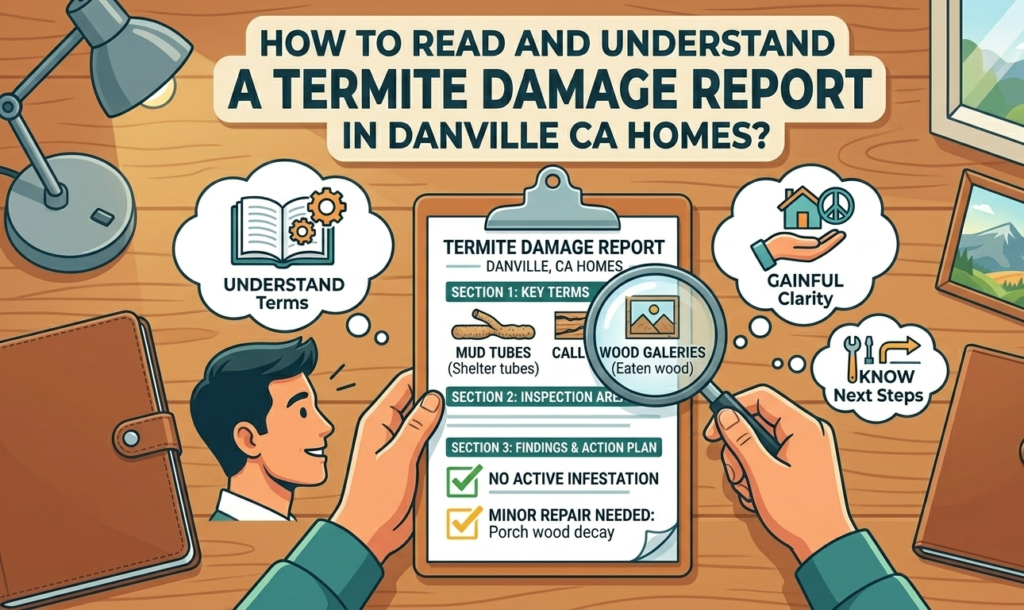
Finding out your home has termites is never news a homeowner wants to hear. In Danville, where the mix of beautiful wooded landscapes and older architectural charms creates a perfect environment for subterranean pests, a termite inspection is a standard part of property maintenance and real estate transactions.
However, once the inspector hands you that multi-page document, it can feel like trying to decipher a foreign language. Here is a guide to help you navigate a Wood Destroying Organism (WDO) report so you can protect your investment with confidence.
Distinguishing Between Section I and Section II
In California, termite reports are strictly divided into two categories. Understanding this distinction is the most important part of reading your report.
Section I (Active Infestation)
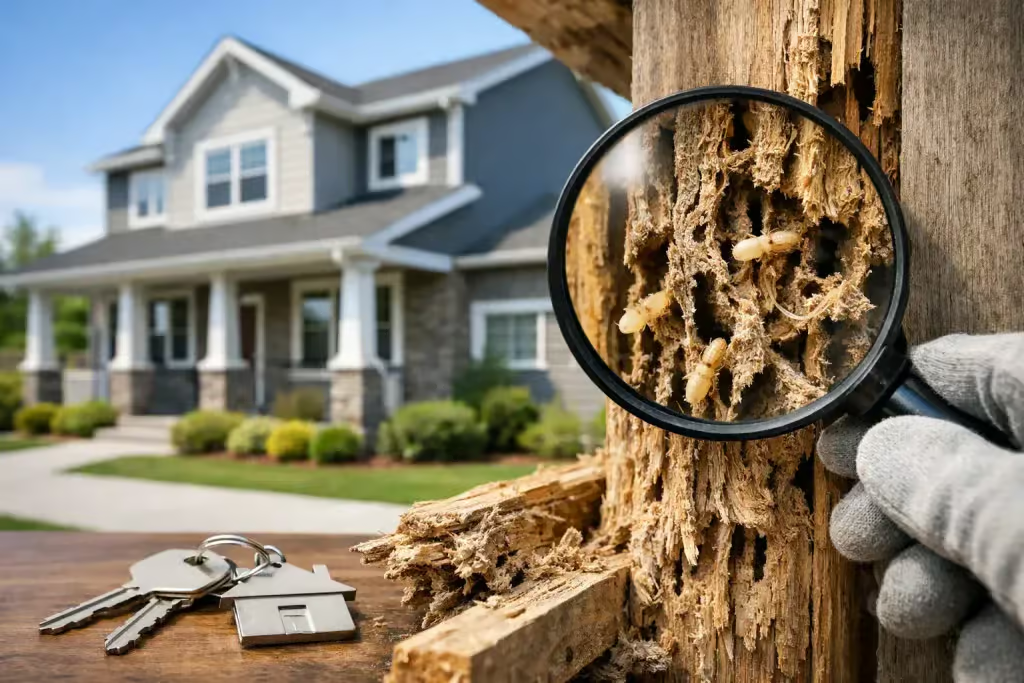
This section lists current, visible evidence of active termites, wood-boring beetles, or dry rot. These are issues that require immediate attention to prevent further structural compromise.
Section II (Conditions Conducive)
These are “red flags.” They aren’t active infestations yet, but they are conditions that make it easy for termites to move in—such as earth-to-wood contact, faulty grade levels, or plumbing leaks.
Common Findings in Danville Properties
Because of our local climate and soil types, certain findings appear more frequently in Danville termite reports:
Subterranean Termites
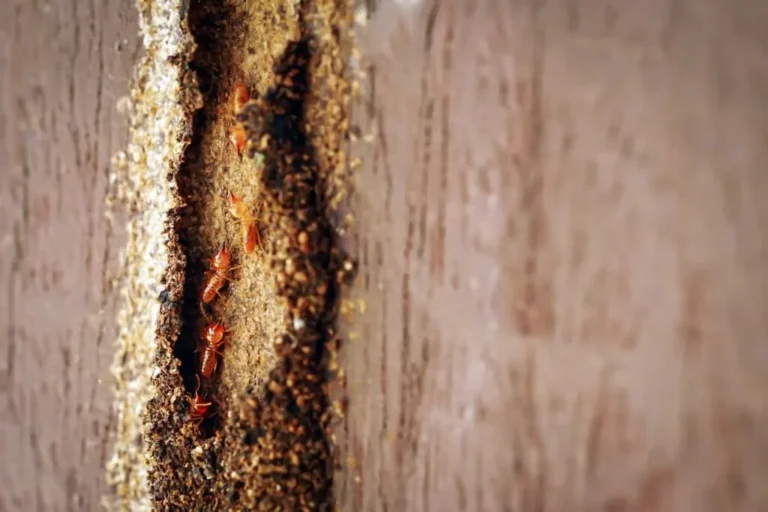
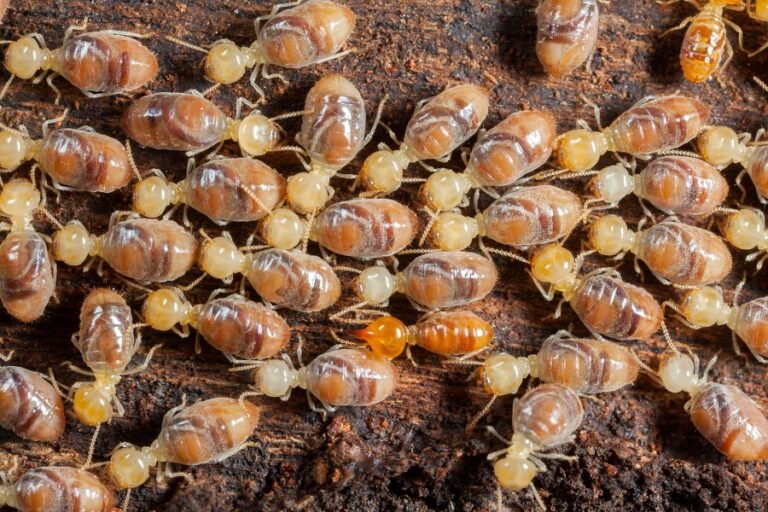
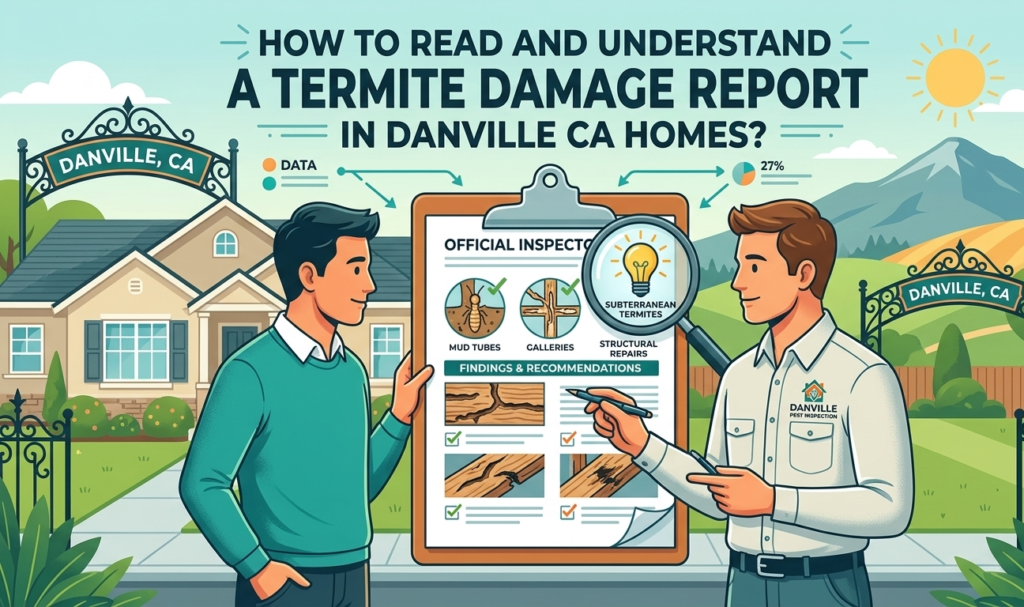
Subterranean termites are the most destructive wood-destroying organisms in California. They live in massive underground colonies and build protective mud tubes to travel from the soil into your home’s structure. These pests favor moisture and can quietly hollow out support beams from the inside out. Since they require constant soil contact to survive, effective treatment often involves specialized baiting systems or liquid soil barriers.
Drywood Termites
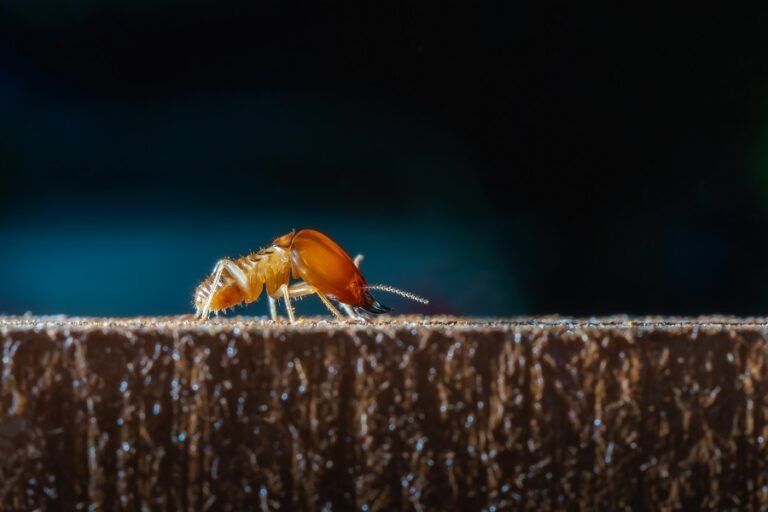
Unlike their ground-dwelling counterparts, drywood termites live entirely within the wood they consume. They do not require soil contact or extra moisture, making them common in attics, window frames, and structural timbers. Homeowners often identify them by the presence of “frass”—small, hexagonal fecal pellets pushed out of tiny kick-out holes. Because colonies are hidden deep inside wood, professional tenting or localized heat treatments are usually necessary.
Fungus and Dry Rot
Fungus and dry rot occur when excessive moisture triggers the growth of organisms that break down wood fibers. In the East Bay climate, this often affects decks, siding, and door frames exposed to rain or faulty irrigation. Despite the name “dry” rot, moisture is the root cause; once the wood loses its structural integrity, it becomes a magnet for further termite activity. Prompt repairs and improved ventilation are essential.
Key Terminology to Know
| Term | What it Actually Means? |
| Abutting Wood | Wood that is touching the ground or concrete, providing a “bridge” for termites. |
| Stall Shower Test | An inspection of the shower pan to ensure water isn’t leaking into the subfloor (a major termite attractant). |
| Limited Inspection | Parts of the home the inspector couldn’t reach (e.g., areas blocked by heavy storage or low-clearance crawlspaces). |
| Local Treatment | Treating a specific spot rather than the whole house. |
Evaluating the “Work Order” and Costs
The work order serves as your financial roadmap for property protection. It details every necessary repair and treatment alongside its associated price tag. In Danville’s competitive real estate market, these figures are vital for negotiations. Reviewing these costs helps you prioritize urgent structural fixes over elective preventative measures to manage your budget.
Primary Recommendations
Primary recommendations focus on the immediate eradication of active wood-destroying organisms. These typically include high-priority actions like soil-based liquid barriers for subterranean termites or whole-house fumigation for widespread drywood infestations. Addressing these items is non-negotiable for halting active structural damage and is often a prerequisite for clearing a Section I report.
Secondary Recommendations
Secondary recommendations target environmental factors that invite future trouble. These often involve correcting “conditions conducive” to infestations, such as fixing plumbing leaks, removing earth-to-wood contact, or improving crawlspace ventilation. While these tasks may not require immediate chemical intervention, completing them is essential for long-term prevention and maintaining your home’s structural integrity.
Pro Tip: If you are in the middle of a home sale in the Blackhawk or Westside Danville areas, Section I items are typically negotiated as the seller’s responsibility, while Section II items are often left to the buyer’s discretion.
Why Local Expertise Matters?
Danville’s unique microclimate—blending humid creek zones with dry, wooded hillsides—demands a specialized approach to pest management. Local inspectors understand the specific behavior of East Bay termite species and how they interact with regional construction styles, from historic ranch homes to modern estates. By choosing an expert familiar with Contra Costa County’s soil conditions and building codes, you ensure your report is accurate, compliant, and tailored to the environmental risks of your neighborhood.