Whether you are a homebuyer eyeing a classic property near Mount Diablo or a long-time resident in a quiet Danville neighborhood, the ground beneath your feet is more active than you might think. In the San Ramon Valley, structural integrity isn’t just about the age of the wood—it’s about the unique geological “fingerprint” of the East Bay.
This blog explores how local home inspectors leverage their regional expertise to identify hidden structural problems that generalists might miss.
Why Danville Homes Face Unique Structural Risks?
Danville’s picturesque landscape masks complex geological challenges that jeopardize residential stability. The region’s specific combination of highly expansive clay soils and proximity to major active fault lines creates a “push-pull” effect on foundations. Furthermore, older architectural styles common in the San Ramon Valley often lack the modern seismic retrofitting required by updated state mandates. Local inspectors prioritize these regional variables to identify structural compromises before they become catastrophic.
Expansive “Black Adobe” Clay Soils
Danville is notorious for “Black Adobe” soil, which acts like a sponge. During wet winters, the clay swells with massive force, lifting foundations; in dry summers, it shrinks, causing sudden settling. This relentless cycle leads to foundation heaving, cracked drywall, and compromised structural frames that require specialized local knowledge to detect.
High Seismic Activity
Sitting between the San Andreas and Calaveras faults, Danville homes endure constant “micro-tremors.” Over decades, this seismic stress weakens cripple walls and loosens foundation bolts. A professional inspector looks for subtle racking or shifting in the crawl space—early warning signs that a home may not withstand a significant earthquake.
The 2026 California Building Code Updates
The 2026 Title 24 updates have introduced stricter requirements for structural load paths and lateral bracing. Many Danville homes built in previous decades no longer meet these rigorous safety benchmarks. Expert inspectors identify these non-compliant areas, ensuring your property remains safe, insurable, and valuable in an evolving regulatory landscape.
4 Hidden Structural Problems Local Inspectors Detect
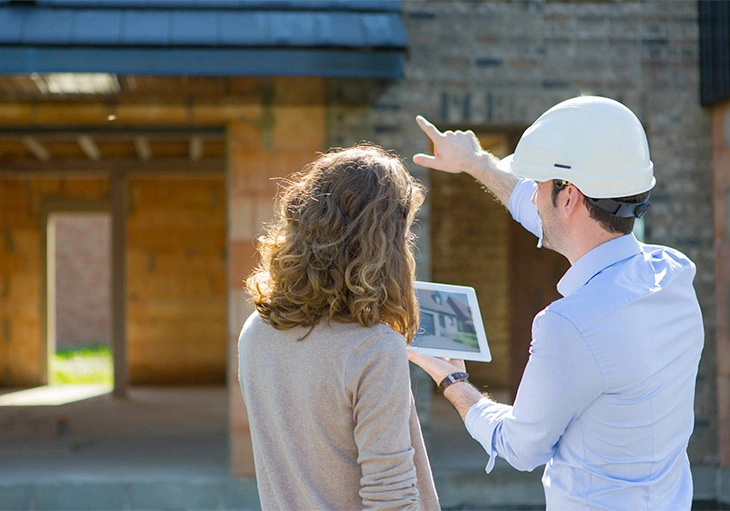
While surface-level issues like cracked paint are obvious, local inspectors dive deeper into the San Ramon Valley’s specific environmental threats. They specialize in identifying “invisible” stressors—ranging from underground water pressure to seismic shifting—that compromise a home’s skeleton. By catching these subtle indicators early, homeowners can prevent minor settling from escalating into a full-scale structural failure.
- Soil Creep on Sloped Lots
Homes built on Danville’s rolling hills are susceptible to “soil creep,” the slow, gravity-driven downward movement of surface soil. This subtle shift puts immense lateral pressure on foundations and retaining walls. Local experts look for telltale signs like “plumb” imbalances, gaps between the patio and the main structure, or leaning fence posts. Addressing soil creep early is vital to maintaining the long-term stability of properties on varied terrain.
- Cripple Wall “Racking”
In many older California homes, the short wooden walls between the foundation and the first floor—known as cripple walls—are a structural weak point. “Racking” occurs when these walls lean or shift out of their original 90-degree alignment due to seismic tremors or age. An inspector checks for proper plywood bracing and bolt connectivity, ensuring the home won’t collapse or “slide” off its foundation during a significant earthquake.
- Efflorescence and Hydrostatic Pressure
Efflorescence—a white, powdery mineral deposit—is a red flag for hydrostatic pressure. This occurs when groundwater pushes against the foundation, forcing moisture through the concrete. Over time, this pressure causes “spalling,” where the concrete flakes and loses its structural integrity. Experienced inspectors identify these salt deposits in crawl spaces to pinpoint where the exterior waterproofing has failed, preventing hidden mold growth and slow-motion foundation decay.
- Poor Drainage and Foundation “Ponding”
With Danville’s expansive clay, improper grading leads to “ponding,” where water collects near the base of the home. This localized saturation causes the clay to swell unevenly, putting lopsided stress on the concrete slab or perimeter wall. A specialized inspector evaluates the “slope-away” of the yard and the efficiency of gutter discharge. Correcting these drainage paths is the most cost-effective way to stop foundation cracking before it begins.
The Value of “Local” Knowledge
Why choose a local inspector over a large national firm?
| Feature | Local Danville Inspector | National Generalist |
| Soil Expertise | Deep understanding of Danville Clay/Silt Loam. | General understanding of soil types. |
| Code Compliance | Current on 2026 Town of Danville ordinances. | Follows broad state/national standards. |
| Neighborhood History | Knows which tracts were built with specific flaws. | Treats every house as a blank slate. |
| Network | Can recommend trusted local structural engineers. | Provides a generic list of contractors. |
Red Flags: When to Call an Inspector Immediately
You don’t need to wait for a home sale to check your structure. If you notice these signs, the expansive soil may be winning:
Doors and Windows that Stick
When doors or windows become difficult to open or close, it is often more than a seasonal humidity issue. In Danville, this typically indicates the foundation is shifting due to expansive soil. As the frame pulls out of alignment, it creates friction, signaling that the home’s structural “square” is compromised.
Cracks Above Door Frames
Diagonal cracks extending from the upper corners of door frames are classic warning signs of foundation settlement. While small hairline fractures might seem cosmetic, vertical or widening gaps suggest the wall studs are pulling apart. An inspector evaluates these stress points to determine if the underlying support structure requires urgent stabilization.
Gaps in Crown Molding
If you notice new gaps between your crown molding and the ceiling, your house may be “dropping” or tilting. This separation occurs when internal walls shift independently of the ceiling joists. Local experts use these gaps to map out uneven settling patterns caused by the San Ramon Valley’s active soil.
Sloping Floors
A floor that feels uneven or causes objects to roll is a major red flag for structural decay. Whether caused by a sinking perimeter wall or a failing support post in the crawl space, sloping indicates a significant loss of level. Professional inspections utilize laser levels to quantify this dangerous movement.
Conclusion
Hidden structural issues in Danville are more than just cosmetic nuisances; they are direct results of the San Ramon Valley’s unique geological and seismic profile. By identifying these red flags early, local home inspectors help you protect your investment and ensure long-term safety. Don’t wait for minor settling to become a major failure—schedule a professional structural assessment today.