Living in Danville means enjoying the beauty of the Iron Horse Trail and the shade of our heritage oaks. However, those same environmental perks—moist soil and plenty of wood—make our area a literal playground for termites.
If you’re wondering when to pull the trigger on an inspection, you aren’t just being cautious; you’re being a smart homeowner. Here is your definitive guide to timing a termite damage inspection in Danville, CA.
The “Danville Spring” Rule (Swarm Season)
In Danville, spring brings more than just blooming wildflowers; it signals the start of termite swarm season. As temperatures rise following our late winter rains, subterranean termites emerge in massive clouds to seek out new wooden structures. This natural cycle is the primary warning sign for East Bay homeowners. Ignoring these seasonal “scouts” can lead to silent, structural devastation, making an annual springtime professional inspection your home’s most critical line of defense.
When
In the San Ramon Valley, peak activity typically occurs between March and May. Termites prefer the humid, warm “sweet spot” immediately following a heavy rainstorm. If the sun comes out while the soil is still damp, expect colonies to become active. This window is the optimal time for a preventative checkup.
The Sign
Keep a sharp eye on windowsills, porch lights, and door frames for discarded wings or small, dark-bodied insects. Unlike ants, termite swarmers have straight antennae and equal-length wings. Finding piles of iridescent wings indoors is a definitive indicator that a mature colony is already nesting within your home’s framework.
Action
If you spot a swarm, don’t reach for the bug spray—surface sprays won’t reach the queen deep underground. Instead, capture a few specimens in a jar for identification and call a Danville specialist immediately. A professional inspection will determine the infestation’s extent and identify necessary soil treatments or baiting systems.
Real Estate Transactions (Buying or Selling)
In the competitive Danville real estate market, a termite clearance is often the “make or break” factor for a smooth closing. Whether you are eyeing a luxury estate in Blackhawk or a charming rancher near downtown, Wood Destroying Organism (WDO) reports are standard practice. Addressing structural pests early ensures that the transaction remains transparent, protecting the property’s valuation and preventing eleventh-hour legal disputes or financing delays during the escrow process.
For Sellers
Getting a pre-listing inspection is a strategic move to maintain your home’s “market-ready” status. By identifying dry rot or subterranean activity early, you can choose your own contractors and avoid high-pressure repairs during negotiations. This proactive approach builds buyer confidence and prevents costly credits or price reductions once you’re under contract.
For Buyers
Never rely solely on a general home inspection; a specialized termite report is essential for long-term peace of mind. In Danville’s older neighborhoods, hidden damage in crawl spaces or behind siding can lead to thousands in repair costs. Ensure your lender’s requirements are met and your investment is structurally sound.
During Home Renovations
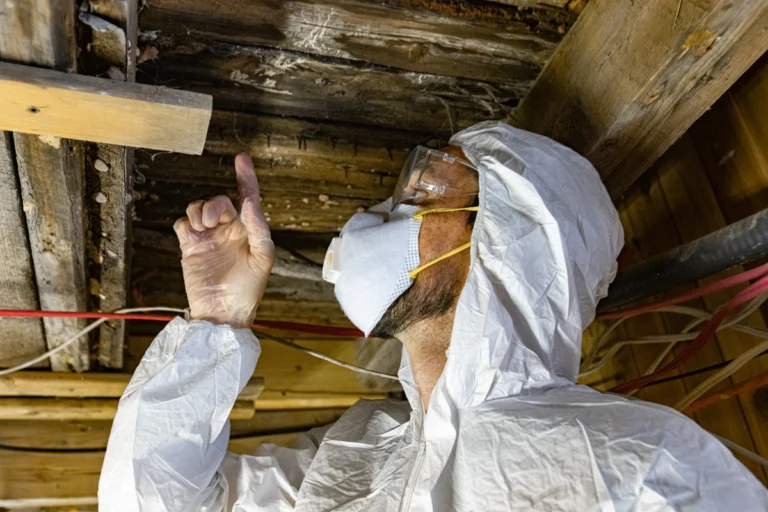
Renovating your Danville home is the perfect opportunity to peel back the layers and inspect the “bones” of your property. Whether you are updating a classic rancher or expanding a modern estate, your walls are rarely this accessible. Coordinating a termite inspection during the demolition phase allows experts to see structural members that are usually hidden by drywall, insulation, or decorative siding, ensuring your new investment stands on a solid foundation.
Why?
Termites are masters of stealth, often tunneling through the center of studs without damaging the exterior paint. During a remodel, these hidden galleries and mud tubes become visible. Checking now prevents you from accidentally sealing a live infestation behind brand-new cabinetry, expensive tile work, or custom built-in shelving units.
The Advantage
The primary benefit is cost-efficiency. Treating exposed wood or replacing a damaged header is significantly cheaper and easier when the framing is already bare. You avoid the “double labor” of tearing down fresh drywall later, and you can apply preventative borate treatments to the new lumber for long-term protection.
After Significant Weather Events
Danville’s microclimate often brings intense winter downpours followed by rapid warming, creating the perfect “incubation” environment for subterranean termites. These pests are biologically driven by moisture; heavy rains can saturate the soil around your foundation or cause hidden roof leaks that soften structural timber. A post-storm inspection ensures that any new moisture points haven’t become an open invitation for a colony to migrate from the damp earth into your dry walls.
The Indicator
Check your property for “moisture bridges”—standing water against the siding, clogged gutters overflowing onto wooden eaves, or damp spots in the crawl space. If you notice wood that feels soft to the touch or paint that appears bubbled and water-damaged, these are prime indicators that termites may be moving in.
Key Red Flags to Watch For
If you notice any of the following, do not wait for a “scheduled” time. Call a professional immediately:
Mud Tubes
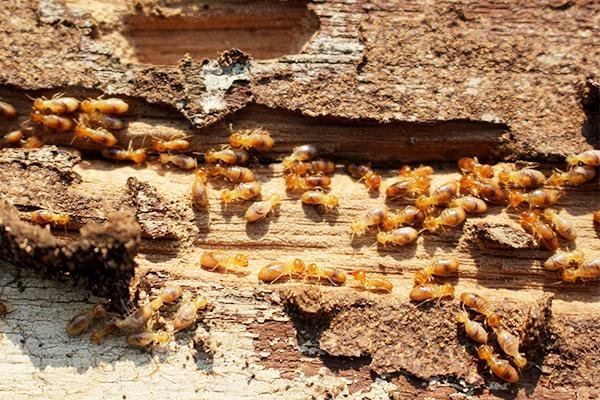
Look for pencil-sized tunnels climbing your concrete foundation or chimney. Subterranean termites construct these earthy tubes from soil and saliva to maintain moisture and protect themselves from predators while traveling between their underground colony and your home’s wood. If you break a tube and see white insects, you have an active infestation.
Hollow Wood
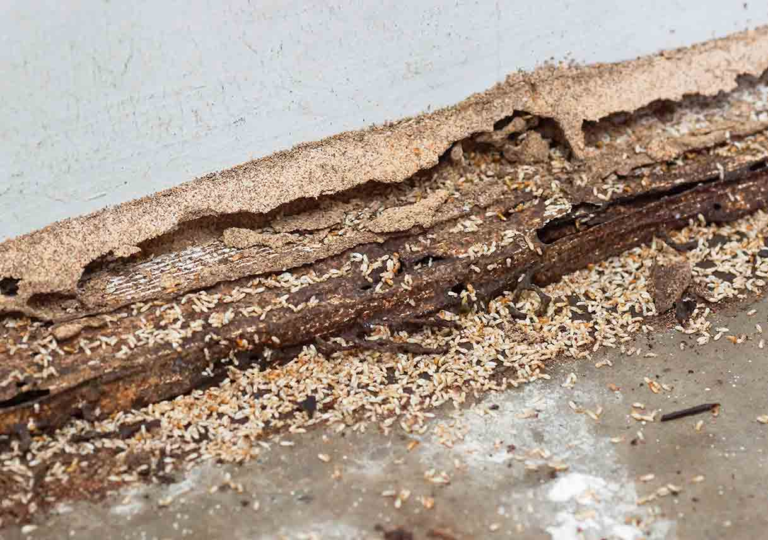
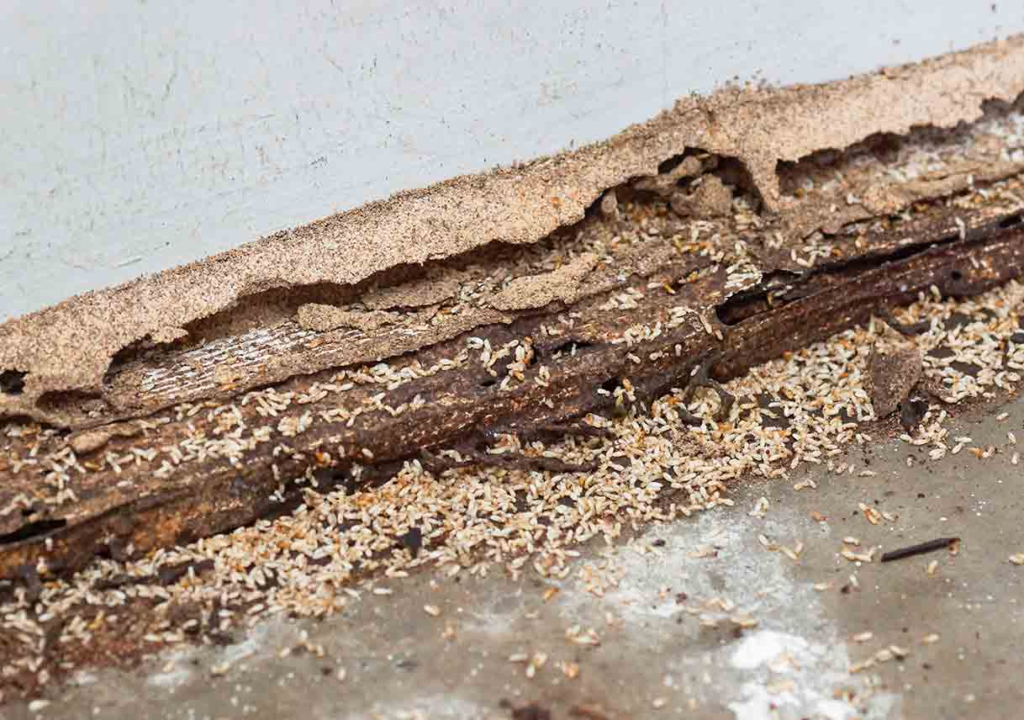
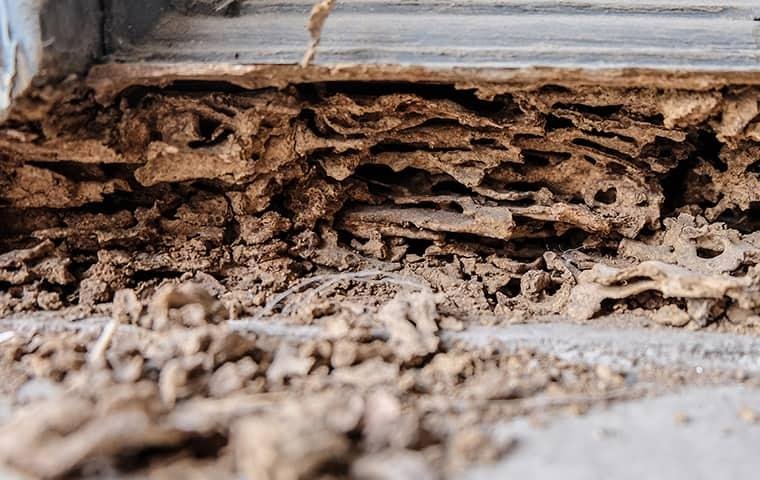
Termites consume wood from the inside out, often leaving only a thin veneer of paint or wood grain. Tap your baseboards, floor joists, and window frames with a screwdriver handle. A hollow, papery sound or wood that easily crushes under slight pressure indicates significant internal structural damage that requires immediate professional attention.
Frass
Drywood termites are known for leaving “frass,” which are tiny, hexagonal fecal pellets. These often resemble small piles of sawdust, sand, or salt and pepper. If you find these recurring mounds on windowsills or under wooden beams after cleaning them away, it’s a clear sign of a localized colony living above.
Tight Windows/Doors
As termites tunnel through frames and support beams, their activity introduces moisture that causes wood to swell. This structural shift can make windows and doors suddenly difficult to open or close. If your home’s entry points are sticking despite dry weather, it may be due to termite-induced warping rather than simple humidity.
Proactive Maintenance Schedule
For peace of mind in the 94506 and 94526 zip codes, follow this frequency:
| Home Type | Recommended Frequency |
| New Construction | Every 3–5 years (pre-treated wood lasts a while). |
| Older/Historical Homes | Every 2 years. |
| Homes with Previous Activity | Annually (to ensure the perimeter barrier holds). |
Final Thoughts
In Danville, timely termite inspections are the difference between a simple treatment and a structural nightmare. Whether you’re facing swarm season, buying a home, or noticing mud tubes, acting fast is vital. Don’t let these silent destroyers devalue your property—schedule a professional inspection today to protect your home’s future.