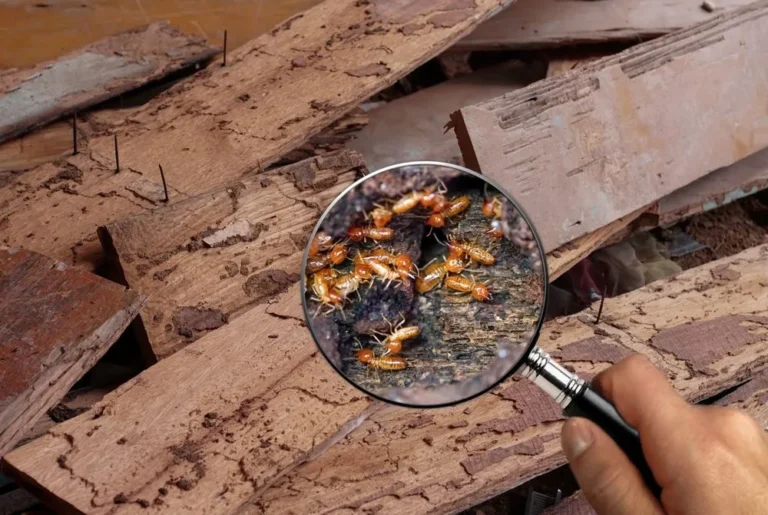
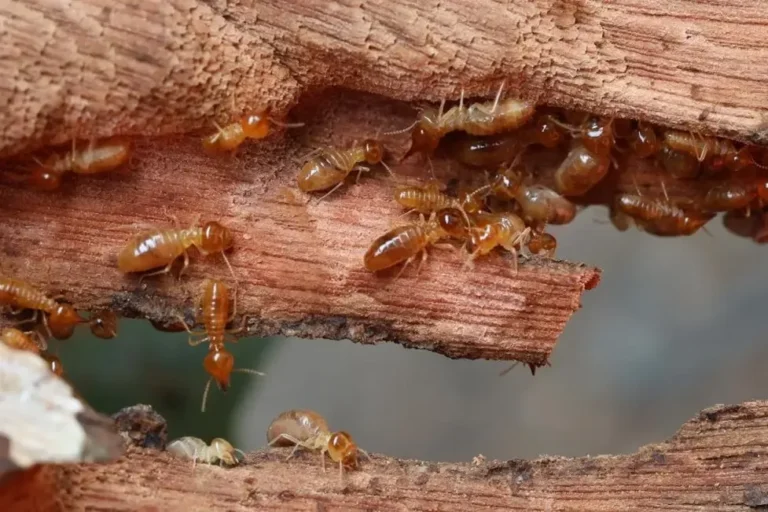
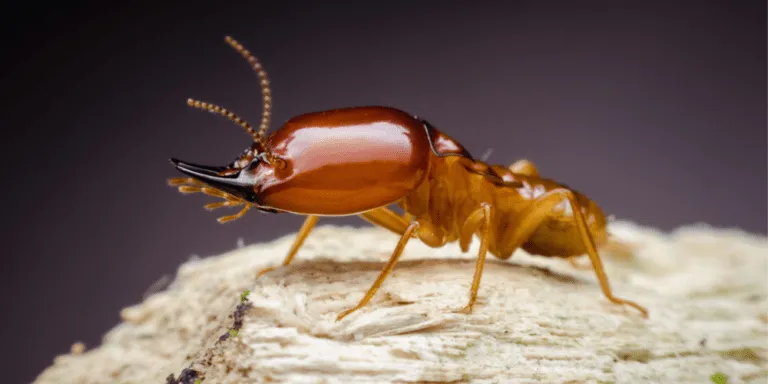
When professionals perform a termite inspection, they conduct a comprehensive visual and technological examination of a property, looking for tell-tale signs of active infestations and conditions that could make a home susceptible to future termite problems. They don’t just look for live termites; they’re trained to spot the subtle clues that termites leave behind. This process involves a meticulous check of both the interior and exterior of the property.
Key Signs of Termite Activity
Professional inspectors know where to look and what to look for. Here are the primary indicators they search for:
Mud Tubes
Mud tubes are one of the most significant indicators of a subterranean termite infestation. These pencil-sized tunnels, constructed from soil, wood particles, and termite saliva, serve as a protected highway. Termites use them to travel between their underground colony and their food source, which is often the wood in your home. By creating these tubes, they avoid predators and the dry, open air that can dehydrate and kill them. Professional inspectors meticulously check for these tubes along foundations, in crawl spaces, and on walls, as they are a clear sign of active termite movement.
Damaged Wood
Termites have a unique way of eating wood—they consume it from the inside out, leaving a thin outer layer or veneer. This can make a termite infestation difficult to detect without a professional’s trained eye. Inspectors will use a rubber hammer or a screwdriver to gently tap on wooden surfaces like baseboards, door frames, and window sills. If the wood sounds hollow or feels “papery” when pressure is applied, it’s a strong indication of internal termite damage. This method helps professionals locate infestations that aren’t visible on the surface, preventing significant structural harm from going unnoticed.
Discarded Wings
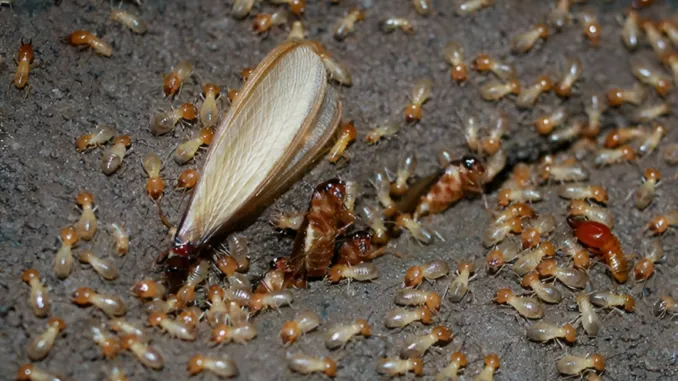
Finding piles of discarded wings is a major red flag for a termite infestation. When reproductive termites, known as “swarmers,” leave the nest to establish new colonies, they shed their wings shortly after landing. These wings are often translucent and can be found in small piles resembling fish scales. Inspectors know to look for these wings near windows, doors, and other light sources, as swarmers are attracted to light. The presence of these wings indicates that a termite swarm has recently occurred, suggesting a mature colony is nearby and a new one may be forming.
Frass (Termite Droppings)
Frass is the official name for termite droppings. While subterranean termites leave behind mud tubes, drywood termites, which live entirely within the wood they infest, push their tiny, pellet-like droppings out of “kick-out holes” in the wood. The appearance of frass is often compared to sawdust or tiny coffee grounds and can be found in small mounds near the infested wood. An inspector’s keen eye can differentiate frass from regular sawdust, helping them pinpoint the exact location of a drywood termite colony, which is crucial for effective treatment.
Signs of Moisture
Termites, especially the subterranean variety, are highly dependent on moisture to survive. Because of this, professional inspectors are trained to look for any signs of moisture that could create an ideal environment for a termite colony. They might use a moisture meter to detect elevated humidity levels in walls, ceilings, and other hidden areas. Common moisture sources that attract termites include leaky pipes, faulty drainage systems, and poor ventilation in basements or crawl spaces. Addressing these moisture issues is often a critical part of a comprehensive termite prevention plan.
The Inspection Process
A professional termite inspection is a systematic and thorough examination designed to leave no stone unturned. It is a methodical process that typically takes about an hour for an average-sized home, but can take longer for larger properties or if evidence of activity is found. The goal is to create a complete picture of the property’s vulnerability by inspecting both the exterior and interior, from the foundation to the roof. This step-by-step approach ensures that even the most hidden signs of termite activity are identified, providing you with a definitive assessment of your home’s condition.
Exterior Examination
The inspection begins outdoors, where the inspector walks the entire perimeter of your home. They meticulously examine the foundation walls for the pencil-thin mud tubes that subterranean termites use as protected highways from the soil to your wood. The inspector also assesses the landscape for conditions that attract termites, such as wood piles, mulch beds in direct contact with the siding, and soil that is graded too high against the foundation. Proper drainage is checked, as pooling water from clogged gutters or faulty downspouts creates the moist environment termites crave, making this initial exterior survey a critical first step in risk assessment.
Interior Room-by-Room Inspection
Moving inside, the inspector conducts a detailed examination of all accessible rooms. Using a tool like a screwdriver or a rubber mallet, they gently tap on wooden elements—including baseboards, window and door frames, and wooden floors—listening for the hollow sound that indicates internal damage. They scrutinize walls and ceilings for subtle signs like tiny pinholes, bubbling paint, or hairline cracks that could mask termite activity. The inspector pays close attention to areas like cabinets and closets, especially those adjacent to plumbing, as these spots are often warmer and more humid, creating an ideal environment for pests.
Attic and Crawl Space Investigation
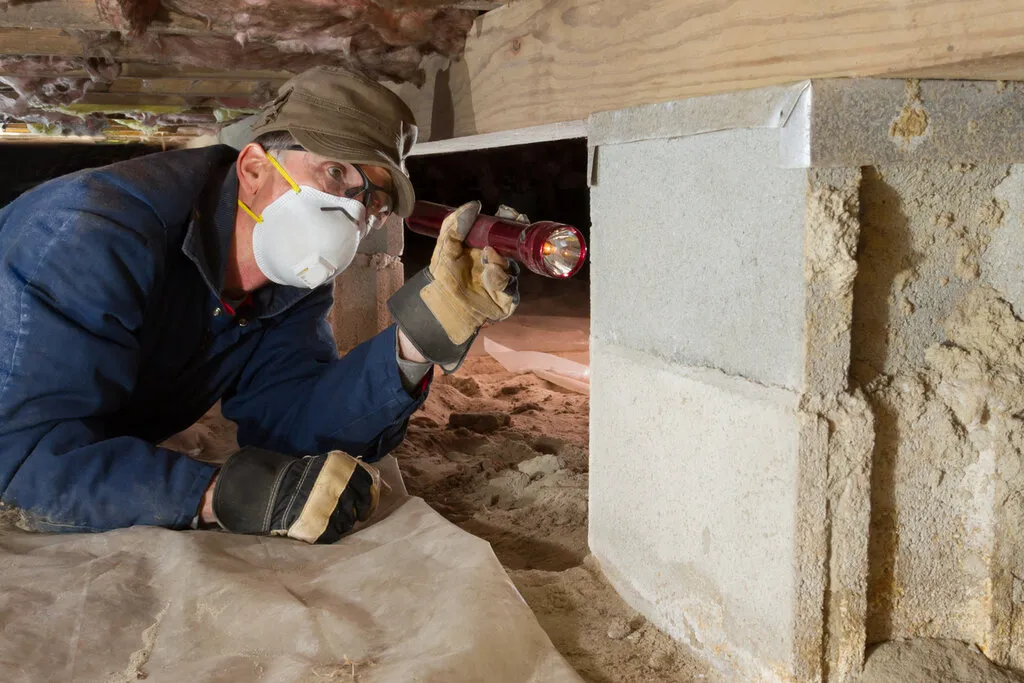
These often dark and neglected areas are prime termite habitats and are thoroughly investigated. In the attic, the inspector uses a high-powered flashlight to examine the underside of the roof sheathing, wooden rafters, joists, and eaves for frass (termite droppings), mud tubes, or damaged wood. In the crawl space, they brave the confined area to check the foundational piers, floor joists, and subflooring. They also use a moisture meter to detect elevated humidity levels, a key attractant for termites. This part of the inspection is crucial for uncovering hidden infestations that can cause significant structural damage over time.
Assessment of Garages, Decks, and Fences
The inspection scope extends beyond the main dwelling to include any ancillary structures on the property. Detached garages, sheds, wooden decks, and fences are all carefully examined. These structures, often made of wood and in direct contact with the soil, can be the first point of termite entry and may serve as a bridge to the main house. The inspector checks the posts, supports, and any wooden components for the same signs of activity—mud tubes, hollowed wood, and frass. Identifying an infestation in these external structures early can prevent it from spreading to your home.
Documentation and the Final Report
The process culminates in the creation of a comprehensive inspection report. The inspector consolidates all findings, including photographs of any evidence discovered, such as mud tubes or damaged wood. This formal document clearly states whether there is active termite infestation, past damage, or conditions conducive to future problems (like excessive moisture or wood-to-soil contact). Most importantly, the report provides a clear recommendation for action, which may include treatment options for active termites, repairs for existing damage, and preventative measures to protect your home, giving you a clear roadmap to safeguard your investment.
Final Thoughts
At the end, a professional termite inspection goes far beyond a casual look. It’s a methodical process where experts use a trained eye and specialized tools to uncover subtle, yet critical, signs of a termite infestation. From identifying the hidden highways of mud tubes to detecting the tell-tale sound of damaged wood and the presence of discarded wings, every detail matters. By understanding what professionals look for, homeowners can better appreciate the value of an inspection, ultimately protecting their most significant investment from these destructive pests.