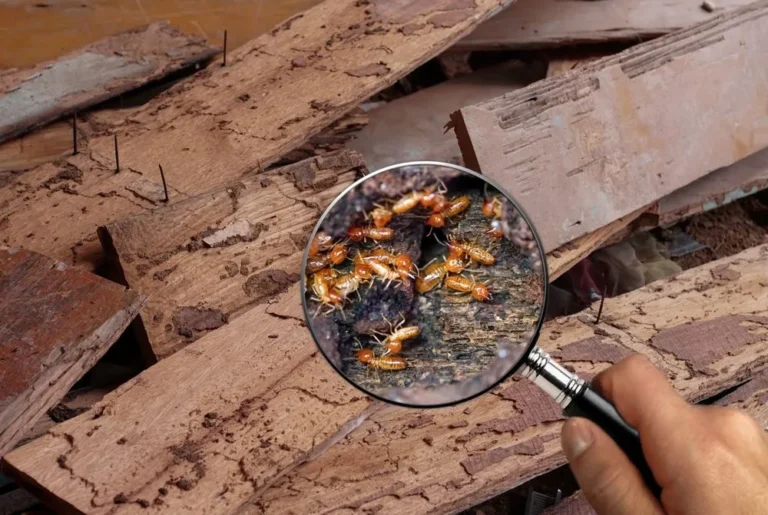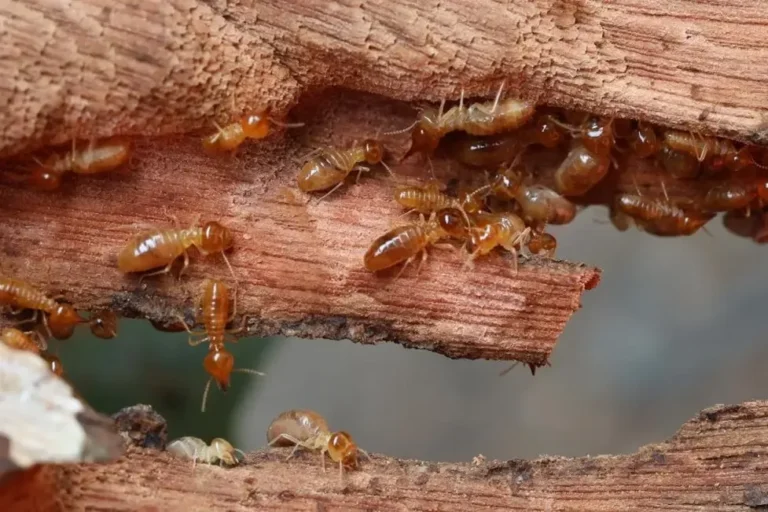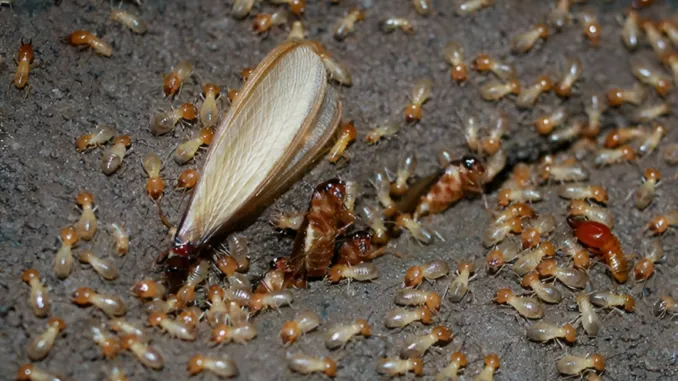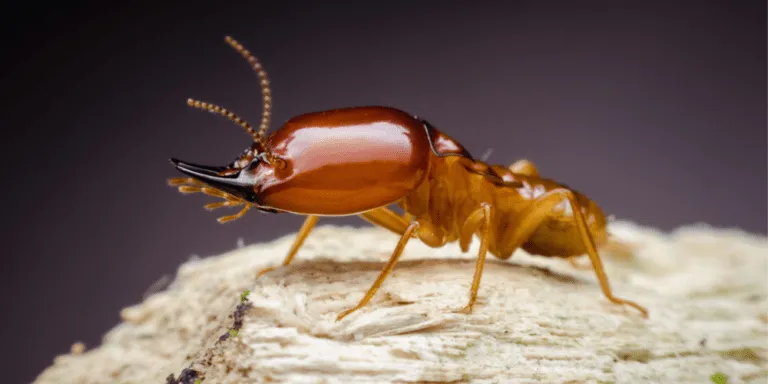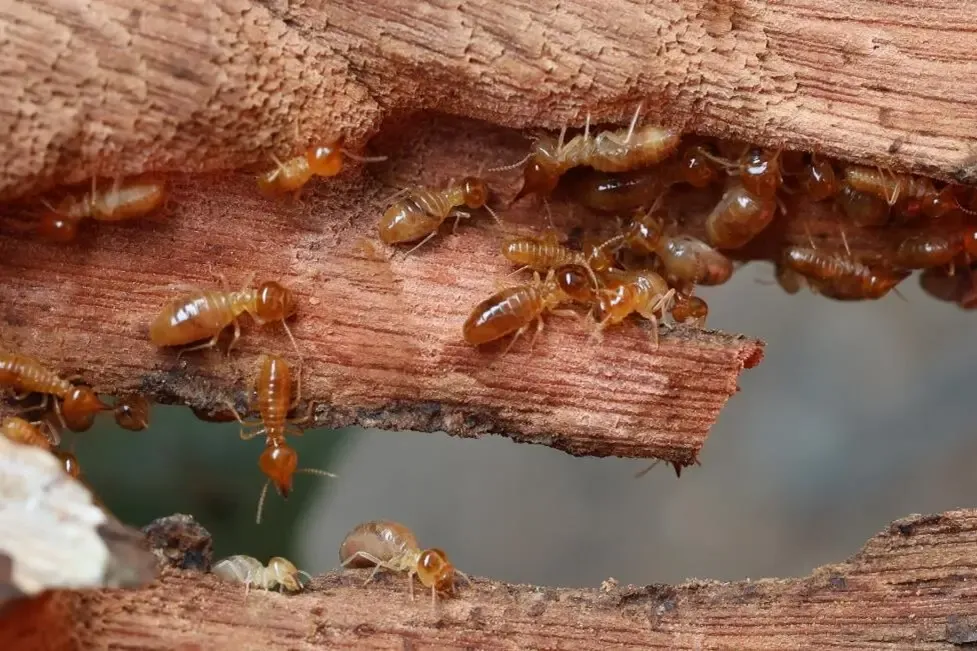
For homeowners in Danville, Virginia, “termite season” isn’t just a catchphrase it’s a financial reality. Our warm, humid climate makes Southside Virginia a prime target for the Eastern Subterranean termite.
If you are buying, selling, or simply maintaining a home in Danville, you may have heard two different terms: a “Regular Termite Inspection” and an “NPMA-33 Inspection.” While they sound similar, choosing the wrong one could delay your home closing or leave your property vulnerable. Here is everything Danville residents need to know about the differences, requirements, and costs.
What is a Regular Termite Inspection?
A regular termite inspection, often referred to as a “preventative” or “maintenance” check, is a voluntary assessment performed by a licensed pest control professional to evaluate the current health of a property. Unlike specialized reports required for real estate transactions, this inspection focuses on the early detection of Eastern Subterranean termites and identifies “conducive conditions”—such as moisture buildup, wood-to-ground contact, or poor ventilation—that could attract future colonies.
During the process, the inspector examines the foundation, crawlspace, and exterior perimeter for mud tubes or discarded wings. For Danville homeowners, these annual evaluations are a proactive defense strategy, helping to catch infestations before they cause structural damage, and are typically documented via a simple company summary rather than a formal legal document.
What is an NPMA-33 Inspection?
An NPMA-33 Inspection is a specialized, legally regulated assessment required primarily for real estate transactions and mortgage approvals. Officially known as the Wood Destroying Insect (WDI) Inspection Report, this standardized document is mandated by lenders for VA, FHA, and HUD loans to ensure the property is free of active infestations that could compromise its structural integrity.
Unlike a regular check-up, the NPMA-33 carries legal weight and specifically tracks four categories of pests: termites, carpenter ants, carpenter bees, and re-infesting wood-boring beetles. Because the report is typically only valid for 30 to 90 days, timing is critical during the home-buying process. For Danville residents, this inspection provides the formal “clearance” needed to satisfy underwriters and move a property sale toward a successful closing.
Key Differences at a Glance
| Feature | Regular Inspection | NPMA-33 (WDI Report) |
| Primary Goal | General Maintenance | Real Estate Closing / Lending |
| Required By | Homeowner (Optional) | Lenders (VA, FHA, USDA) |
| Pests Covered | Usually just Termites | Termites, Ants, Bees, & Beetles |
| Legal Validity | None | Valid for 90 days (typically) |
| Form Used | Company Invoice/Notes | National Form NPMA-33 |
Why Danville Homeowners Need to Be Careful?
Danville’s geography puts us in a “Moderate to Heavy” termite infestation zone. This means:
High Pressure from Subterranean Termites
Danville is situated in a high-activity zone for Eastern Subterranean termites, which thrive in Virginia’s red clay soil and humid climate. Unlike other areas where activity might be seasonal, our local environment allows these pests to remain active nearly year-round. Homeowners must be careful because these colonies live underground and enter homes through tiny foundation cracks. Without a professional eye, an infestation can remain hidden behind drywall for years, causing thousands in structural damage before a single sign is visible.
Stark Differences in Loan Requirements
In the Danville real estate market, being “careful” means understanding that your choice of inspection can make or break a home sale. If you are a veteran using a VA loan or a first-time buyer utilizing FHA financing, a “regular” termite letter is legally insufficient. Lenders require the specific NPMA-33 form to ensure their investment is protected against wood-destroying insects. Misunderstanding this requirement often leads to last-minute closing delays, extra fees, and unnecessary stress for both buyers and sellers.
The Threat of Non-Termite Pests
While termites get most of the attention, Danville’s historic districts and wooded neighborhoods are also prone to carpenter bees and wood-boring beetles. A standard maintenance check might focus solely on termites, but the NPMA-33 requires a comprehensive look at all wood-destroying organisms. Homeowners who skip the formal report may overlook powderpost beetle larvae or carpenter bee galleries in eaves and decks. Being diligent ensures you aren’t just protecting the foundation, but the entire wooden skeleton of your property.
Which One Do You Need?
Choosing between these inspections depends on your current goals. If you are buying or refinancing a home in Danville—especially with a VA or FHA loan—you legally require the NPMA-33 Report. However, if you are a current homeowner focused on protection, a Regular Termite Inspection is the ideal choice for annual maintenance.
The Buyer’s Choice for Financing
If you are currently in the process of purchasing a home in Danville, particularly through a VA, FHA, or USDA loan, the NPMA-33 Inspection is your required path. Lenders view this standardized report as a mandatory safeguard for their investment, ensuring the structure is free of active wood-destroying insects before funding is released. Even if you are using a conventional loan, many local underwriters will request this specific form to provide a clear, legal snapshot of the home’s pest history.
The Seller’s Tool for Transparency
For those listing a property in competitive Danville neighborhoods like Mount View or Briarwood, a proactive NPMA-33 Inspection is a powerful marketing tool. By providing a clean report upfront, you eliminate the risk of “buyer’s cold feet” caused by last-minute pest discoveries. It demonstrates that the home has been well-maintained and prevents the appraisal process from stalling. This small investment often leads to a much smoother closing and protects you from potential post-sale liability regarding undisclosed damage.
The Homeowner’s Strategy for Maintenance
If you have no plans to sell and simply want to protect your equity, a Regular Termite Inspection is the most practical choice. These routine check-ups are designed for early detection and prevention rather than legal documentation. For the average Danville resident, scheduling this service annually—ideally during the spring swarming season—allows a technician to identify “conducive conditions” like moisture or mulch issues. It is the most cost-effective way to stop a small subterranean colony before it leads to a major structural renovation.
Final Thoughts
For Danville homeowners, the choice is clear: use the NPMA-33 for real estate transactions and mortgage approvals to meet legal lending requirements. For routine property protection and early detection, a Regular Termite Inspection is the most cost-effective way to safeguard your home against Virginia’s heavy pest pressure.