Even though your roof is one of the most important parts of your home, getting it inspected can feel like taking a leap of faith. You hired a professional, got a report, and paid for it, but did that report really cover everything? Or was it just a two-hour walk? A poor roof check is not only a waste of money, it’s also a major mistake that leaves you open to costly damage from storms, water, and wear and tear. You have the right to know that the most important shield for your home has been properly checked out. This guide clears up all the confusion by giving you the most important actions, proof, and paperwork that a top-level inspection must provide. Learn how to check your inspection and have real peace of mind about the health of your roof. Don’t just hope for the best; know for sure.
What a Professional Inspection Covers
A roof inspection is the most important thing you can do for your home’s main safety. It looks for signs of damage, aging, or structural problems before they become expensive disasters. The outside and inside are both looked at in this thorough inspection. Professionals look for issues like missing or broken shingles, chimney and vent seals that don’t work right, and signs of storm damage or water pools. To make sure your roof system is sound, they check the inside of your home for signs of moisture, mold, or wood rot, as well as good attic airflow and insulation.
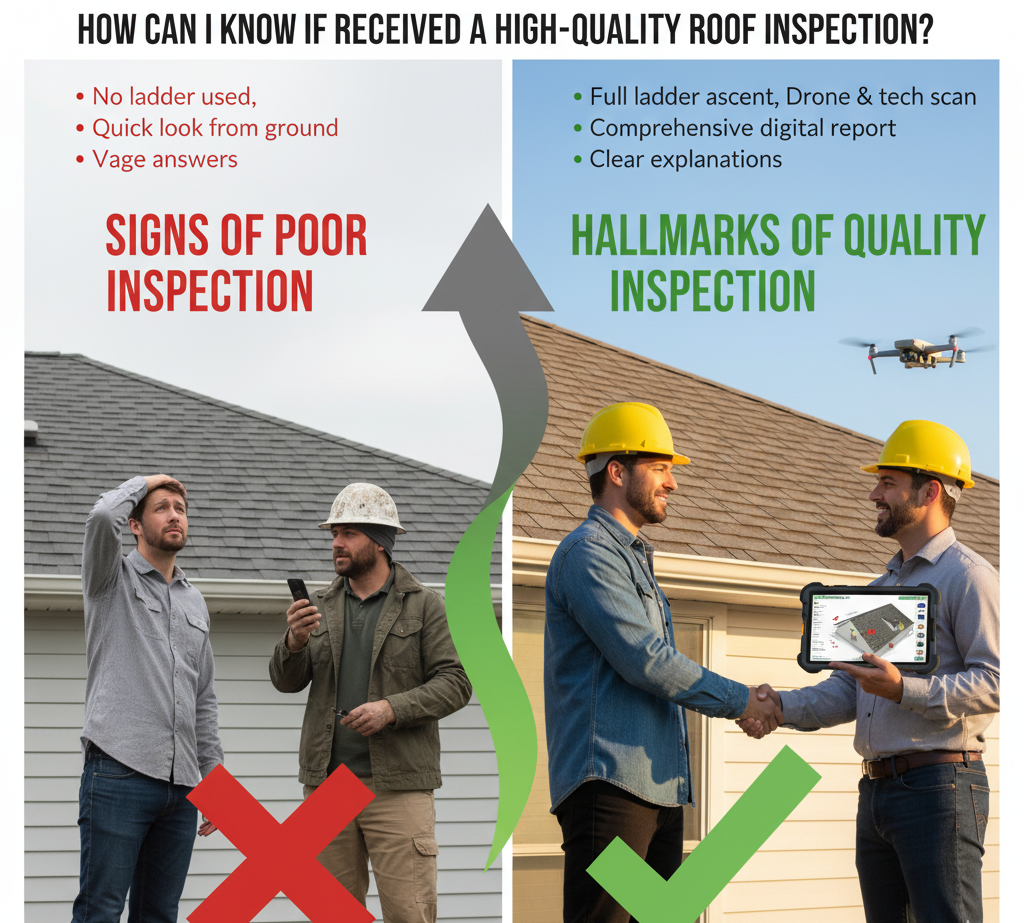
Here’s how you can know if you’ve received a high-quality roof inspection:
1. The Inspector Conducts a Multi-Point Examination
A full inspection should look at all of your roof’s important parts, inside and out. The inspection shouldn’t just look for damage that is easy to observe.
Interior and Attic Inspection
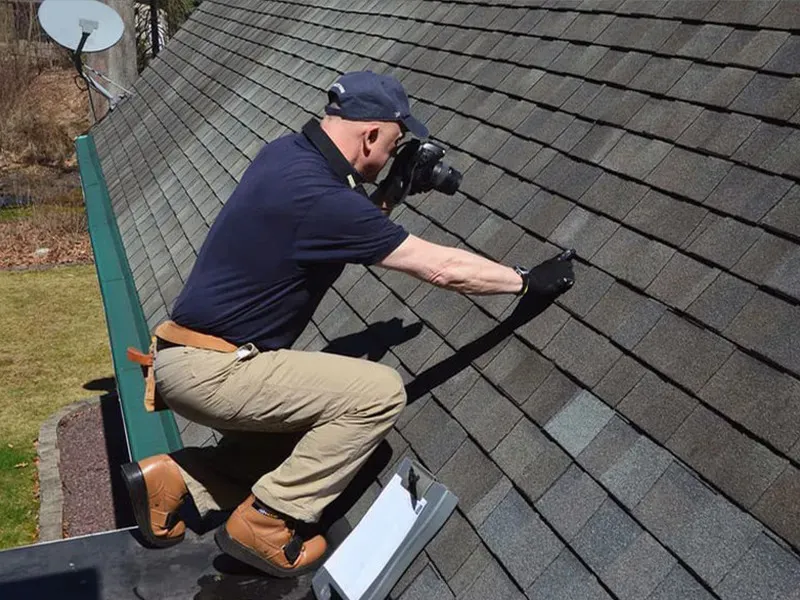
A good roof check looks at more than just the surface. The inspector starts in the attic, where he or she looks for signs of water damage, mold, or sagging. Outside, they have to climb up on the roof (if it’s safe to do so) to look for cracks or grain loss in the shingles, weak spots in the structure, and poor work. They pay special attention to all penetrations, like the flashing around chimneys and vents, because these are where most leaks happen. There won’t be any secret damage missed this way.
Roof Surface and Material Assessment
For a thorough check, an inspector needs to be able to safely climb up on the roof and look at the materials up close. They look for signs of wear on the shingles, like missing pieces or a lot of granule loss, which is a sign of getting older. They look for rust or broken covers on metal and tile. Lastly, they check the work for mistakes like nails that aren’t pushed all the way in. This keeps small problems from becoming big leaks.
Structural Integrity
A good checkup checks to see if the roof’s structure is stable. This means looking for signs like sinking or uneven lines that show support systems are getting weaker. He or she must also look for soft spots on the roof structure. These areas are very important because they often show hidden water damage or rot that a visual inspection would miss. This confirms the health of your roof’s core base.
Roof Penetrations and Components
Consequently, most leaks happen where the roof breaks, so leaks and parts get a lot of attention during a quality check. When the tester checks the flashing around chimneys, vents, and skylights, he or she looks for tears or rust very carefully. They check vents and lines for loose rubber seals and chimneys for cracked mortar. Lastly, they make sure that the gutters and outlets are clean and drain well so that water doesn’t back up.
2. The Inspector Uses Professional Tools and Technology
An inspection by an expert is more than just a look. These days, inspectors often use special tools to make a more accurate report. Among these are:
Drones
Inspectors often use drones to get to roofs that are high or hard to get to. This method takes high-resolution pictures and videos of the whole roof without getting in the way. Drones are necessary to get close-up views of complicated parts. This way, the inspector can see damage that they cannot see from the ground without risking fragile materials.
Infrared Cameras
The use of infrared cameras is a key sign of a current, thorough check. However, when you do a regular eye check, you can’t see any trapped moisture below the roof’s surface, but these special tools can. By showing difference in temperature, the cameras find leaks, wet spots, and insulating problems that aren’t obvious. With this technology, the inspector can correctly find problems before they cause huge, expensive damage.
Moisture Meters
To confirm and measure the amount of water damage, licensed inspectors use moisture meters. These small devices give accurate readings of the amount of water in materials like the roof surface or the wood structures that support it. They are used to check areas of high moisture that have been marked by eye inspections or infrared camera scans. This gives us objective, measurable information that turns our fear of a leak into a real, measurable issue.
Safety Equipment
A professional roof inspector will always put safety first. They show their dedication by using the right safety belts, safe ladders, and personal protective equipment (PPE). When the inspector uses this gear, it protects them and keeps them from accidentally damaging your roof’s materials while they’re checking it out. The fact that they follow safety rules shows how skilled they are.
3. You Receive a Comprehensive and Detailed Report
One of the most important signs of an accurate inspection is that it does this. There needs to be more than just a verbal description. The following should be in a skilled roof inspection report:
Detailed Findings
A good inspection report needs to have a section with detailed results. This summarizes all the problems found, including the current state and expected lifetime of the roof materials and structure parts. It’s also important that it includes a full analysis of all penetrations (like vents and windows) and accessories, ensuring it takes every part of your roof system into account.
Photographic Evidence
Including photographic proof is one of the things that makes an inspection great. There should be clear, high-resolution pictures with dates of every problem area in the report. These pictures are very important; they turn the report from a bunch of words into a real-world situation. They show you problems like broken flashing, missing shingles, or chimney damage, so you know exactly what needs to be fixed.
Actionable Recommendations
Importantly, a good inspection report must end with suggestions for what should be done. This part should have a clear, ranked list of all the upkeep and repairs that need to be done. The order of issues must make sense in terms of how important they are (for example, “immediate repair,” “monitor and re-inspect,” or “general maintenance”). With this clear plan, you can go straight from evaluating the problems to fixing them, making sure you deal with the most important risks first.
Cost Estimates and Formal Documentation
You can get a good idea of how much money you will need to spend on fixes or replacements by looking at the report’s initial Cost Estimates. Additionally, the whole report is formal documentation it is a clean, official writing of all the results. This paperwork is very important for things like making insurance claims, using as a reliable guide for future repairs, and during home sale disclosures.
4. The Inspector Is Professional and Reputable
A good inspector will demonstrate professionalism from start to finish. Look for these signs:
Credentials and Experience
A trustworthy inspector must show right away that they are fully licensed and insured, which saves everyone from harm. In addition to these basics, you should look for certain qualifications. These credentials show that the inspector has gone through specialized training, which proves their knowledge and dedication to following all professional standards and best practices.
Clear Communication
Excellence depends on being able to communicate clearly and well. You should be able to easily understand how the inspector works before and during the exam. They have to be ready to answer your questions slowly. Additionally, they should be totally open about their results and prices. Here, there should be no ambiguity in the report and no unexpected fees or costs after the work is done.
Good Reputation
A reliable inspector’s good reputation is easily verifiable. A trustworthy business has a lot of good reviews online, which shows that their customers are always happy. Find a company with a professional webpage that tells you about their services. As proof of their dedication to doing business in an honest way and fairly settling any customer issues, their good reputation with local business groups is strong.
Thoroughness and Time
There is no rush for a good inspection. The length of time must match the size and complexity of your roof. Any inspector who comes and goes quickly is a big red flag that something is wrong. It takes a real professional enough time to carefully look at all of the parts, which guarantees a full report that is worth your money.
Conclusion
You don’t have to face roof maintenance with a hopeful guess. You can expect the best inspection if you know what makes it good: a careful look, modern tools, a detailed report, and a history of professionalism. If you want to protect your home’s value, your roof is the most expensive thing you can invest in. You can go from being worried to being sure by asking for attic inspections, infrared photos, clear cost figures, and verifiable credentials. Don’t let a small leak become a big problem! You can protect your home’s future by hiring prolific inspection for the best roof check.