For homeowners in Danville, CA, termites aren’t just a nuisance—they are a significant financial risk. Nestled in the San Ramon Valley, our local climate and lush landscapes provide the perfect breeding ground for these “silent destroyers.” Whether you are selling a home near the Iron Horse Trail or maintaining a property in Blackhawk, a Wood Destroying Organism (WDO) Report is your most critical document for protecting your investment.
This blog breaks down everything you need to know about termite damage reports in 2026, from local pest types to the costs of repair.
Why Danville is a Termite Hotspot?
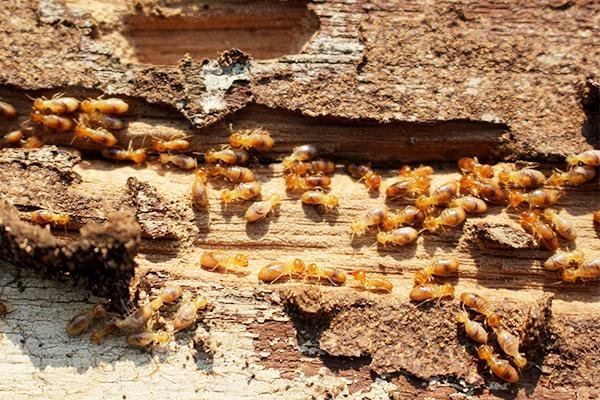
Danville’s Mediterranean climate—characterized by mild winters and warm, dry summers—creates an ideal environment for termite colonies to thrive year-round. The town’s lush landscaping, proximity to open spaces like Mount Diablo, and aging wooden structures in historic districts provide abundant food sources. This unique combination of high soil moisture and suburban density makes Danville properties particularly vulnerable to infestations. In Danville, we deal with three primary culprits that thrive in the East Bay’s specific environment:
Subterranean Termites
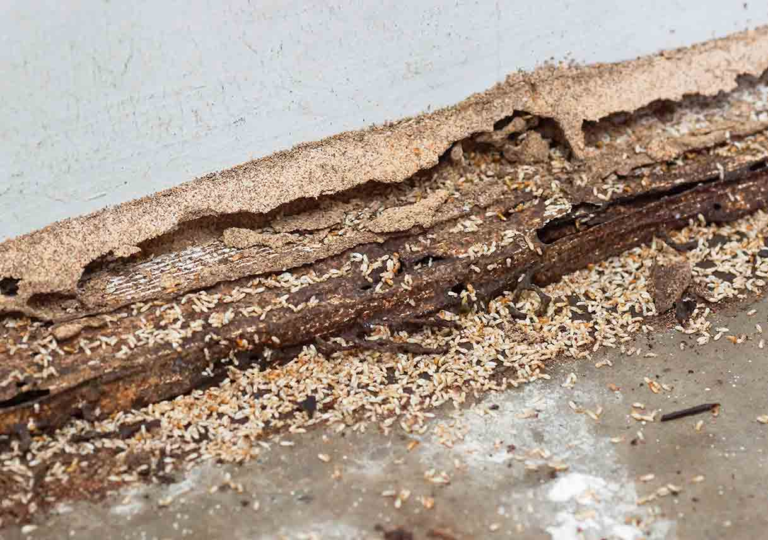
Subterranean termites are the most destructive species in California, living in vast underground colonies. They reach your home through protective mud tubes, attacking from the ground up to feast on structural framing. Because they require constant moisture to survive, they often go unnoticed until significant internal wood damage has occurred.
Drywood Termites
Unlike their subterranean cousins, Drywood termites don’t need contact with soil or external water sources. They typically enter Danville homes through attic vents or roof eaves, infesting sound wood and furniture. Keep an eye out for “frass”—tiny, hexagonal fecal pellets—which is often the only visible sign of their presence.
Dampwood Termites
Dampwood termites are significantly larger than other species but are less common unless your property has moisture issues. They target wood with high water content, such as areas near leaking pipes, clogged gutters, or wood-to-soil contact. Correcting drainage and ventilation issues is the best defense against these moisture-loving pests.
Decoding the WDO Report (The “Termite Report”)
In California, termite inspections result in a standardized Wood Destroying Pests and Organisms Inspection Report. This document is divided into two critical sections that every homeowner must understand:
Section 1: Active Problems
Section 1 identifies immediate threats that require urgent intervention. This category covers visible evidence of active termite infestations, live wood-destroying beetles, or localized fungal rot. In Danville, these findings are high-priority because they represent ongoing structural degradation. Addressing Section 1 items is essential to halting damage and is typically a prerequisite for receiving a formal subterranean or drywood clearance.
Real Estate Impact
In competitive markets like Danville, a “clear” termite report is a powerful negotiating tool. Most lenders require Section 1 clearance before funding a mortgage. For sellers, proactive inspections prevent last-minute deal-breakers; for buyers, they provide peace of mind that their multimillion-dollar investment isn’t hiding a costly, crumbling foundation.
Section 2: Conducive Conditions
Section 2 focuses on “red flags” that invite future infestations. These are not active damages but environments where termites thrive, such as wood-to-soil contact, poor attic ventilation, or leaking plumbing. In Danville’s older neighborhoods, addressing these preventative items is the most cost-effective way to avoid a Section 1 repair bill. Think of it as a roadmap for long-term home health.
Pro-Tip: Addressing Section 2 items early is the cheapest way to prevent a $10,000 repair bill down the road.
What Does a Termite Inspection Cost in Danville?
As of 2026, the cost for a professional inspection in the Danville/San Ramon area typically ranges from $150 to $350.
| Service Type | Estimated Cost (2026) |
| Standard Inspection | $150 – $300 |
| Real Estate/Escrow Report | $250 – $450 |
| Minor Damage Repair | $500 – $2,000 |
| Major Structural Repair | $5,000 – $15,000+ |
Note: Many local pest control companies may offer a “free” inspection for homeowners, but these often do not include the official WDO paperwork required for a real estate transaction.
Local Checklist: Signs of Damage in Your Danville Home
Before you call the pros, do a quick “perimeter check” of your property:
Mud Tubes
Mud tubes are pencil-thin tunnels made of soil and saliva, acting as moisture-rich highways for subterranean termites. In Danville homes, look for these brown, earth-like veins climbing up concrete foundations, crawl space walls, or floor joists. They are a definitive sign that a colony is actively foraging within your structure.
Shed Wings
During Danville’s warm, humid “swarming” seasons, reproductive termites leave the nest to start new colonies. Once they find a mate, they discard their wings. Finding piles of small, translucent, silvery wings on windowsills or near light fixtures is a classic indicator that an infestation is beginning nearby.
“Frass”
“Frass” is the technical term for drywood termite droppings. Unlike subterranean termites, drywood species push their waste out of tiny “kick-out” holes. If you spot small, sand-like mounds of hexagonal pellets that feel gritty to the touch, you likely have an active wood-boring issue in your rafters or trim.
Hollow Wood
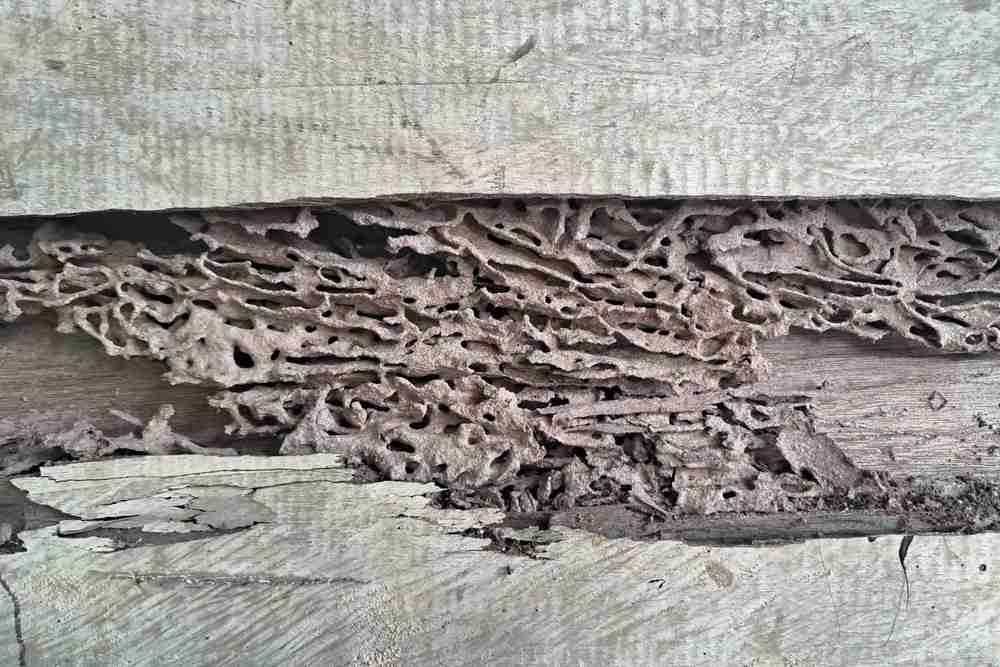
Termites often consume wood from the inside out, leaving the exterior paint or veneer intact. If you tap on a baseboard, door frame, or support beam and it sounds hollow or “papery,” the structural integrity has likely been compromised. A screwdriver can easily puncture these severely damaged areas.
3 Steps to Take After Receiving Your Report
Once your Danville termite report arrives, don’t panic. Review the findings to distinguish between active infestations (Section 1) and preventative maintenance (Section 2). Prioritize structural repairs, obtain competitive bids for treatment, and create a timeline for remediation to protect your home’s resale value and long-term structural integrity.
- Get a Second Opinion on Large Bids
If your initial report includes a high-five-figure estimate for structural repairs or full-home fumigation, it is wise to seek a second opinion. Pest control companies in the East Bay can vary significantly in their repair philosophies and pricing models. A second licensed inspector can verify the extent of the damage, potentially saving you thousands by suggesting more localized, targeted treatment options.
- Fix Moisture Issues First
Termites are relentlessly drawn to moisture. Before investing in expensive wood replacements or chemical barriers, ensure your home’s drainage is impeccable. In Danville, this often means clearing clogged gutters, fixing leaky irrigation heads, or repairing plumbing drips in crawl spaces. Eliminating the water source is the only way to ensure that new wood stays dry and unattractive to future subterranean colonies.
- Keep the Paperwork
Your WDO report is a vital legal document, especially during a real estate transaction. In California, these reports are typically valid for 90 days, but keeping a permanent digital archive is a smart move for any homeowner. This paper trail proves you have been diligent with maintenance, providing future buyers with the confidence that the property has been professionally monitored and protected.
Final Thoughts
Protecting your Danville home requires vigilance and professional expertise. By understanding your WDO report and addressing “active problems” and “conducive conditions” promptly, you safeguard your property’s structural integrity and resale value. Don’t wait for visible damage—schedule a professional inspection today to ensure your investment remains termite-free for years to come.