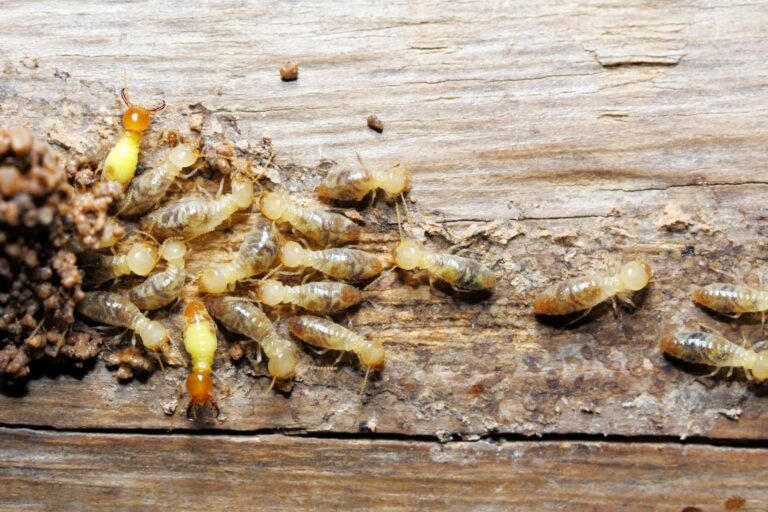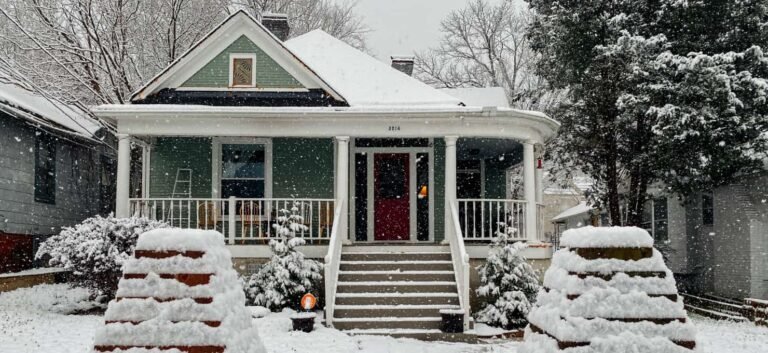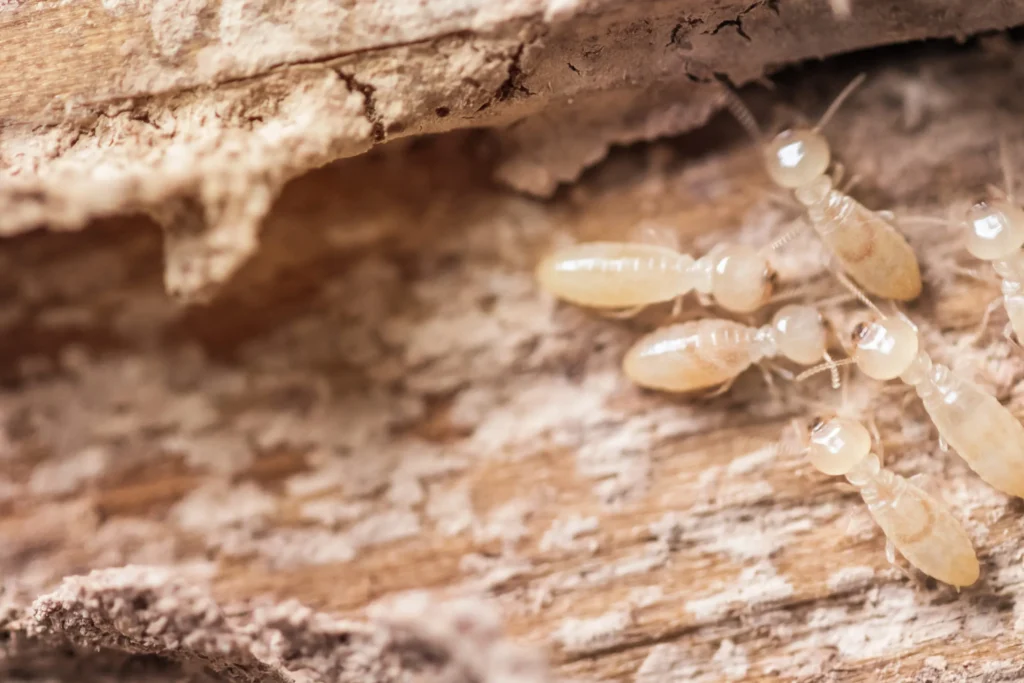
Pleasanton, California, is a great place to live because it has significant areas, sunny weather, and a strong sense of community. But beneath this picture-perfect surface lies a quiet threat that can cause considerable damage: subterranean termites. The most dangerous pests to homes in the area are these tiny, soil-dwelling bugs. Unlike other bugs, underground termites tend to feed on your home’s structure without you knowing until it’s too late.
Knowing why underground termites are so dangerous and why homeowners in Pleasanton are especially at risk can help you keep your home from getting expensive structural damage.
What Makes Subterranean Termites So Dangerous
One big difference between subterranean termites and drywood or damp wood termites is that they live underground. These bugs live in large groups in the ground and use mud tubes to get to wooden buildings. This behavior hides them from view, allowing them to enter homes undetected. They keep eating as soon as they find a source of cellulose, which is the main ingredient in wood. They eat wood from the inside out, leaving only a thin layer on the outside. This means that your walls, floors, or beams can appear structurally sound even though they are hollow on the inside.
There can be hundreds of thousands of termites living in a single underground colony. They all work together to find food around the clock. A house’s structure can become weaker over time due to various factors.
Why Pleasanton’s Climate Attracts Termites
The East Bay area, which includes Pleasanton, is an excellent place for underground termites to live and work. The mild temperatures, gentle humidity, and watered lawns in the city provide a steady supply of moisture that these termites need to stay alive.
Here’s why Pleasanton’s environment encourages termite growth:
Year-Round Activity
Subterranean termites can stay active for almost the whole year because Pleasanton has mild winters and average temperatures. Termites are less active in colder places because the weather is stable there, but colonies can feed and grow all the time. This steady activity makes it more likely that infestations will go unnoticed and homes will suffer long-term structural damage.
Moist Soil
Lawns, garden beds, and sprinkler systems in Pleasanton are all well-watered, so the dirt around foundations stays moist. The damp conditions here make it easy for subterranean termites to dig tunnels to get into houses. Because they need water to live, these termites thrive in areas with high water content or poor drainage, making nearby homes particularly vulnerable.
Older Homes and Vegetation
Many areas in Pleasanton feature mature landscaping and older homes adorned with trees, mulch, and wooden structures that have stood the test of time. Subterranean termites can enter a structure through natural paths created by old wood, roots, and other organic matter. These conditions make it easy for termites to get in and give them a lot of food, which makes it more likely that outbreaks will spread quickly.
High Property Value
The houses in Pleasanton are among the most valuable in Oakland County. Termite damage is costly. Even minor problems can be expensive to fix, reduce your home’s value, and compromise its safety. Since termite damage is often not covered by insurance, finding them early and keeping them away is crucial to protect your property.
In short, the nice weather that makes Pleasanton a great place to live also makes it a popular place for underground termites to live.
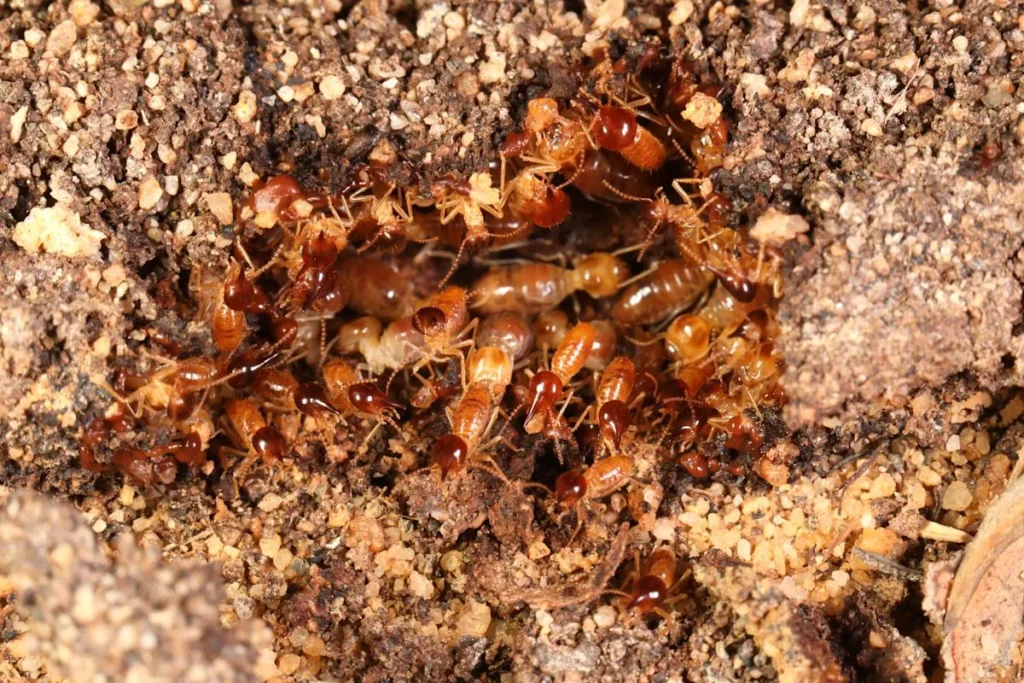
Why Subterranean Termites Are a Hidden Threat
Subterranean termites silently destroy homes from within, causing severe structural damage that often goes unnoticed until costly repairs are needed.
They Operate in Complete Secrecy
Termites that live underground rarely come out of the ground or the wood they live in. They move through mud tubes that they make from dirt and saliva. These tubes keep them moist and shield them from sunlight and predators. People who own homes rarely see the termites themselves; they only notice minor signs that they are working.
Damage Progresses Slowly but Surely
Unlike pest problems that happen all of a sudden, termite damage occurs slowly, making it simple to ignore. These bugs can eat through floor joists, support beams, and wall studs over the course of months or years. Before any obvious signs show up, the house may already be weak from the inside out.
They Feed 24/7
Termites that live underground never stop eating. Colonies send helper termites back and forth between their nest and your home all the time. This constant action causes damage that builds up over time.
They’re Often Mistaken for Other Issues
In the early stages, termite damage can look like water damage or wood rot. When people look at paint that has blisters, floors that are sinking, or drywall that has changed colors, they might think it’s because of water damage, but termites are actually eating away behind the walls.
Insurance Rarely Covers Termite Damage
Most homeowner’s insurance plans do not cover termite damage because they see it as preventable maintenance rather than an accident. This is one of the scariest facts for homeowners. That means the homeowner typically covers all repairs and maintenance costs.
Early Warning Signs to Watch For
If you notice even one of these signs, it’s essential to schedule a professional termite inspection immediately.
Mud Tubes
Thin, brown landscaping tubes often appear along foundations, walls, or crawl spaces. Subterranean termites use these tubes as safe ways to get from their underground nests to the wooden parts of your home.
Discarded Wings
Termites with wings (swarmer’s) lose their wings near light sources, doors, or window sills after mating. If you find these tiny wings inside, it means there is an active termite population close by.
Hollow-Sounding Wood
They only leave a thin layer on the outside when they eat through walls or floors. If you tap the wood, it might produce an empty, papery sound, indicating that termites have damaged the inside.
Bubbling Paint or Uneven Floors
Termite holes can leak water under paint or flooring, causing it to bubble, peel, or warp. These small changes on the surface often mean that termites are working inside your home’s structure.
Tight Doors and Windows
Termites eat frame wood, making it difficult to open or close doors and windows as the frames become distorted. Termites have caused damage inside the house due to the bending of the wood.
How to Protect Your Pleasanton Home
Protect your Pleasanton home from hidden termite damage with innovative prevention, timely repairs, regular inspections, and professional treatments to ensure lasting structural safety.
Keep Soil and Wood Separate
Leave at least six inches of space between the ground and the wooden parts of your house. Taking this simple step prevents termites from easily accessing structural wood through ground contact.
Fix Moisture Issues Quickly
Fixes pipes, gutters, and taps that are leaking right away. Eliminating damp areas around basements and crawl spaces can help prevent termites from entering. This is because termites are very attracted to water.
Improve Drainage and Ventilation
Ensure good drainage to prevent water from building up around the base. Subterranean termites are less likely to attack your home if your crawl space has enough air flow to keep the wood dry.
Remove Wood Debris
Remove any soil, tree roots, or stacked firewood that is close to the outside of your home. Termites find these things to be excellent food sources and easy ways to get to wooden homes.
Schedule Regular Termite Inspections
Set up skilled termite inspections once a year. In Pleasanton, licensed professionals use moisture meters and infrared tools to detect termite activity in homes early on, before it becomes too severe and costly to repair. This keeps homes safe and prevents expensive damage.
Consider Preventive Treatments
Long-term defense against termites can come from soil barriers, bait stations, or professional treatments. Many pest control companies in Pleasanton offer plans with warranties and regular inspections to ensure your home is free of termites.
Conclusion
Subterranean termites are a quiet but dangerous threat that can weaken and lower the value of your Pleasanton home with no apparent signs. Since they live underground and are constantly eating, and given the warm weather in this area, it can be challenging to spot them early. By the time you notice damage, it may be too late to fix it. To protect your property, you need to stay one step ahead by avoiding problems and monitoring it regularly.
Do not wait until the loss costs a lot. Get a professional termite check today from Prolific Inspection to protect your home from these sneaky pests. Their skilled professionals use cutting-edge equipment and tried-and-true methods to find termite activity early on. This gives you peace of mind and long-term security for your home, which is your most valuable investment.