Do you ever think about what’s going on under your floors? Through your crawl space, pests such as rats, which carry diseases, and termites can enter your home. Bugs that smell and spiders can also get in. These bugs are not only disgusting, but they can also damage your house and contaminate the air your family breathes. Crawl spaces are like five-star hotels for pests because the floors are damp and made of loose dirt. There is, however, a long-term answer! Sealing off the crawl space and keeping it dry is the right way to encapsulate it and keep these pests out. This critical change not only makes your home healthier and stronger, but it also makes it better at keeping pests out.
What Is Crawl Space Encapsulation?
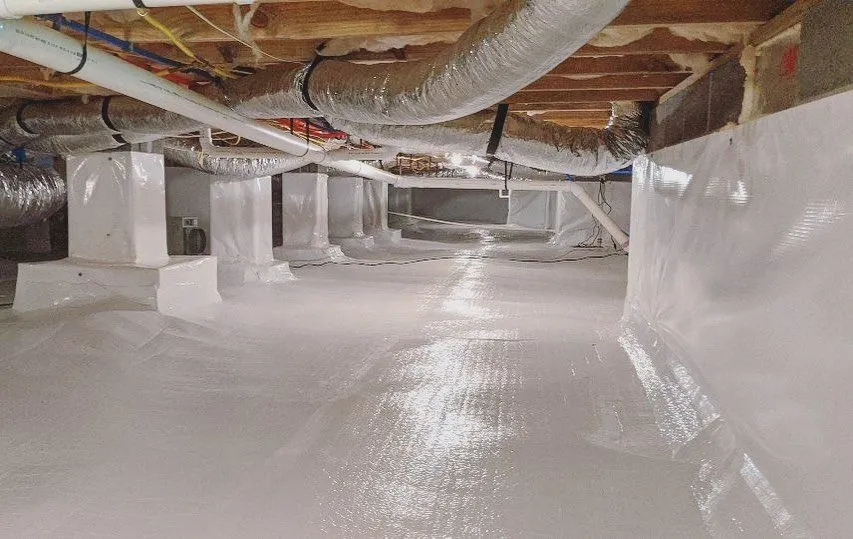
Covering your crawl area with a heavy-duty vapor barrier, insulation, and sometimes a dehumidifier closes it off. This method keeps out too much water, maintains a stable temperature, and prevents bugs from getting in.
The process typically includes:
- Installing a vapor barrier on floors and walls
- Sealing vents, cracks, and gaps to prevent air and pest infiltration
- Adding insulation for temperature regulation
- Installing a dehumidifier to keep humidity levels low
Why Pests Love Crawl Spaces
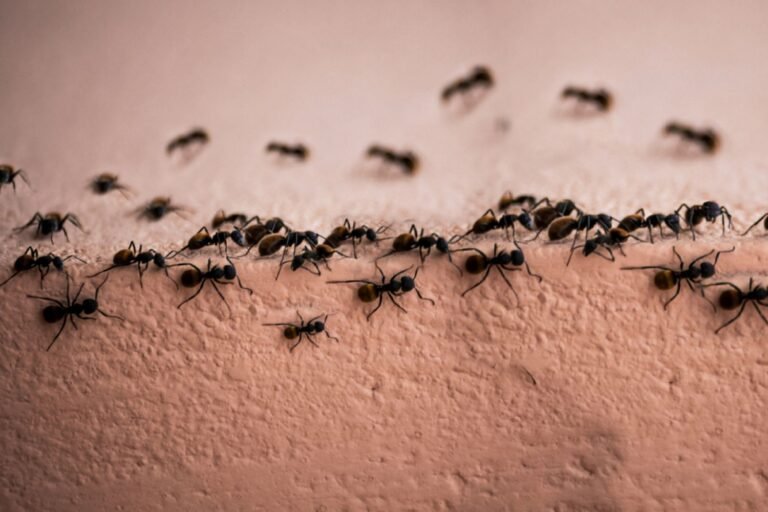
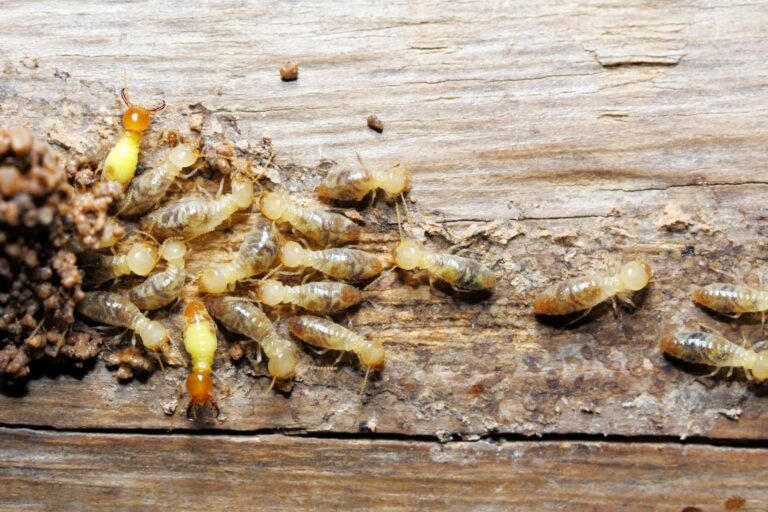
Pests like termites, ants, mice, and cockroaches love crawl spaces because they are dark and warm. They are dark, damp, and rarely bothered, making them ideal places to mate and have babies. Not only does water attract pests, but it also weakens wood, making it easier for them to get in.
How Encapsulation Keeps Pests Away
Properly enclosing your crawl space is an effective way to keep pests out, as it eliminates the conditions and entry points that attract them.
By Eliminating Moisture Sources
Without encapsulation, a dark, damp crawl room would be a pest-filled mess. Pests like spiders, termites, and bugs like it when the air is mostly wet. An encapsulation dryer keeps the humidity low, and a heavy-duty air barrier seals the floor and walls. It’s hard for insects that need water to breed and stay alive because the area is so dry. Low humidity kills mold, which takes away a food source for pests like fungus bugs.
Blocking Physical Entry Points
Encapsulation creates a strong barrier that prevents bugs from entering the crawl space and subsequently the living areas of your home. Step one is to close up any leaks or holes. For instance, rodents, snakes, and bugs often use these holes to get into standard vented crawl spaces. That’s why strong covers are put over them forever. Later, technicians cover up any small cracks, holes, or penetrations they find around the foundation’s lines and wires. Mice can get through holes as small as a dime, making this a crucial consideration. Also, rodents like rats and mice can’t get in because this vapor shield is thick and continuous.
Reduces Food Sources
Eliminating food sources is a big part of using packing to keep pests away. Most standard crawl spaces are filled with various types of trash, including old insulation, leaves, and wood scraps. All of this makes it easy and appealing for mice and insects to find food. More importantly, wood that is too wet or rotting will stay moist, which is excellent for termites and other wood-eating bugs. Encapsulation keeps the crawl space clean and dry, eliminating the wetness that fungi and wood rot need to grow. This eliminates the primary food source for pests that cause damage. Because of this thorough process, even if a pest gets through the outer barrier, there is nothing inside for them to eat or live on, so the room is totally unlivable.
By Maintaining Consistent Temperature
Lastly, because it keeps the temperature fixed, encapsulation makes the crawl space less desirable as a place to live. Mice, rats, and other rodents often hide in crawl spaces to escape adverse weather conditions, such as high temperatures. A typical crawl space with vents offers little protection and is susceptible to the elements. But if you use the proper insulation and seal, encapsulation can make a room that stays at a comfortable temperature. By leaving things unchanged throughout the year, the area loses its primary appeal as a hiding spot for pests. This ensures that rodents will seek protection elsewhere, thereby completing the plan and rendering the enclosed crawl space nearly pest-proof.
By Improving Indoor Air Quality
Finally, one of the best benefits of a pest-free crawl space is improved air quality inside a typical crawl space. Rats, mice, and insects leave behind droppings, urine, and exoskeletons that are full of germs, drugs, and allergens. Due to the “stack effect,” the crawl area can draw in up to half of the air in your home. Bio-contaminants and bug droppings are in this dirty air that moves right into your homes. Encapsulation prevents these hazardous substances from entering the upstairs area by sealing off the room and eliminating the pests. Encapsulation creates a clean, controlled barrier below that keeps your family safe from airborne pathogens and allergens that come with infestations. This makes your home healthy.
Benefits of Crawl Space Encapsulation
In addition to keeping pests away, properly enclosing the crawl space is one of the best things a homeowner can do to improve their home’s health and value.
1. Prevents Mold and Mildew Growth
Unsealed crawl spaces are usually damp, which is excellent for plants and animals to grow. The earth loses water naturally, and rooms with vents let outside wet air settle on cooler surfaces. Mold and mildew thrive when humidity levels remain above 60% at all times.
How Encapsulation Helps
To keep the area dry, encapsulation uses a vapor barrier to cover the ground and a dryer to control the air. Mold spores can’t settle and grow in this environment. This eliminates musty smells and prevents dangerous contaminants from entering your stored items, structural wood, and the air inside your home.
2. Protects Your Home’s Structural Integrity
The crawl space houses your home’s foundation, floor joists, and subfloor. These are all essential wooden parts. Two significant issues can occur with these items if they are constantly wet: wood rot and pest damage.
How Encapsulation Helps
Wood rot and decay are the primary causes of floor collapse and weakening of the home over time. Keeping the space dry stops these problems. Also, pests like termites can’t do any damage to the structure because it’s dry and sealed. This keeps the base of your home stable and long-lasting.
3. Improves Energy Efficiency
Most crawl spaces allow air to enter through cracks and vents, making the temperature under your house very uncertain. For the living room to stay at a comfortable temperature, your HVAC (heating, ventilation, and air conditioning) system has to work much harder.
How Encapsulation Helps
Encapsulation effectively seals the foundation of the house, creating a partly conditioned space. Within this wall, hot air cannot enter during the summer, and cold air cannot enter during the winter. Your monthly power bills will decrease once the temperature is fixed, as your HVAC system will use less energy. This could even help you save 10–20% on your heating and cooling bills.
4. Increases Property Value
Buyers often feel stressed when they find problems in the crawl space, which can cause them to make poor offers or back out of a deal. A history of water damage, mold, or property problems is a big red flag during a home inspection.
How Encapsulation Helps
Many people consider encapsulation a brilliant and valuable service. If you do this, it shows potential buyers that you’ve taken good care of the house and that it doesn’t have any expensive problems like bugs or water damage. This peace of mind and proof of structural integrity can make it easier to sell your house, secure a higher price, and provide a great return on your investment when you move.
5. Simplifies Future Pest Control and Inspection
Enclosing the crawl area transforms a hidden danger into a zone that can be monitored and protected. Finding and treating infestations is challenging in traditional, dirty spaces due to the clutter and limited space.
How Encapsulation Helps
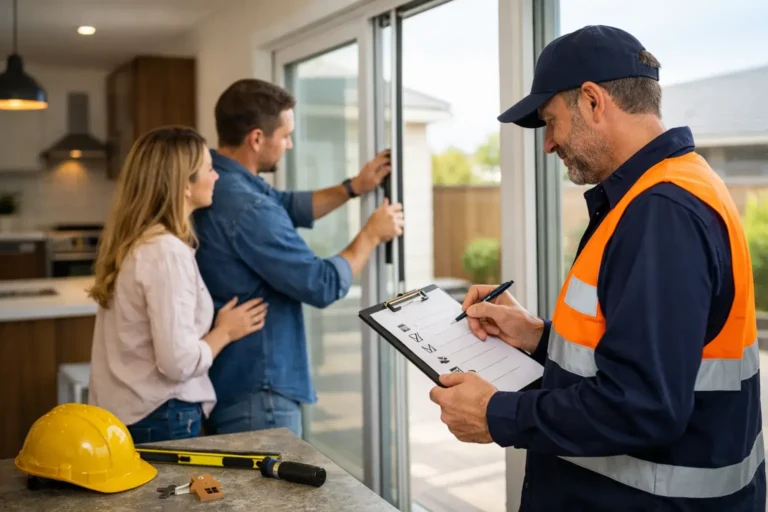
Pest control in the future will be effortless with encapsulation. Installing a clean, sealed, and often lit vapor barrier makes the crawl space easy to access for checks. In the end, experts can see problems right away, like a rat dropping, a termite path, or a seal hole. If you can quickly find and target problems, you can come up with answers that work faster, better, and within your means. You won’t have to spend time or money on bug control every month.
Conclusion
Finally, enclosing your crawl space isn’t just a fix for your house; it’s a fundamental improvement that will save you money and protect your family’s health. By addressing the primary issues of moisture and accessibility, encapsulation gradually eliminates the conditions that pests, mold, and rot require to thrive. This creates a safe, clean, and dry area that safeguards the structure of your building, enhances the air quality in your home, and lowers your energy costs. This preventative defense not only keeps all major intruders out but also increases your house’s value, giving you the best peace of mind possible. Do not worry about what is below. Instead, spend your money on making your home better and more comfortable over time.