Pest complaints are the kryptonite of every vacation rental property owner or manager. A single sighting of a mouse, ant trail, or—heaven forbid—a bed bug can instantly wipe out weeks of hard work, leading to a refund, a lost booking, and a permanent, business-damaging 1-star review. So, what’s the secret to managing a vacation rental property from a pest perspective? Proactive, multi-layered Integrated Pest Management (IPM).
Forget the “spray-and-pray” method. The best strategy is a systematic approach focused on prevention, sanitation, exclusion, and regular professional oversight. Here is your definitive, four-pillar framework for a pest-free property.
Pillar 1: Fortify Your Defenses (Exclusion)
The principle of “Exclusion” is your first and most vital defense against pests, aiming to structurally seal the property to prevent entry in the first place. This strategy is highly effective because it minimizes the need for chemical treatments inside the rental, which is safer and more appealing to guests. By physically blocking access points, you disrupt the life cycle of pests that rely on easily available shelter and internal resources. A comprehensive exclusion plan focuses on detailed inspections and permanent, durable repairs to maintain the property’s integrity.
Sealing Doors and Windows with Weatherstripping
A surprising number of pests enter a vacation rental through the tiny gaps surrounding exterior doors and windows. To address this, property managers must install and regularly check the quality of weatherstripping and door sweeps. These inexpensive materials create a tight seal that is effective against smaller intruders like ants, spiders, and roaches, as well as keeping out drafts. Furthermore, repairing any tears in window and door screens is critical to allow for ventilation without inadvertently welcoming mosquitoes and flies inside.
Inspecting and Repairing the Foundation and Utilities
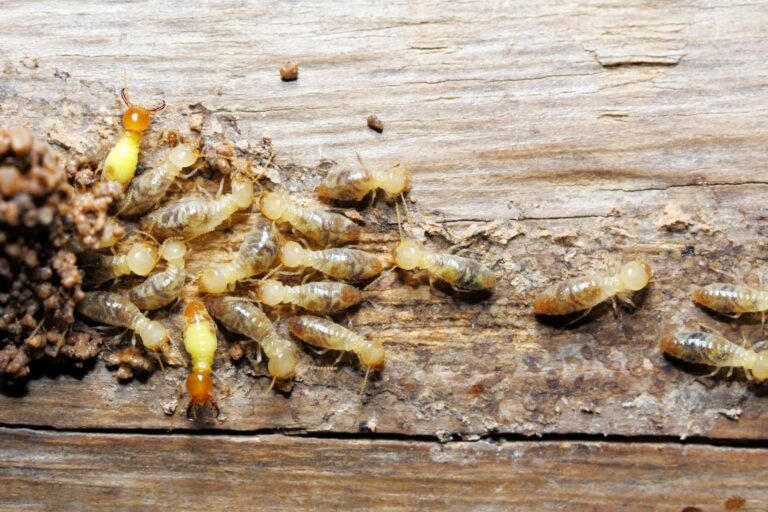
The areas where utilities (pipes, wires, and vents) enter the building are common, often overlooked entry points for rodents and larger insects. Use durable materials like metal mesh or steel wool to tightly pack any holes around these utility lines, followed by a strong sealant. Simultaneously, routinely inspect the foundation and exterior walls for cracks or crevices, even hairline fractures. Filling these small structural gaps with high-quality caulk prevents pests like mice, rats, and termites from establishing an initial foothold in the property’s structure.
Securing the Roofline, Vents, and Attic
The upper areas of a property, including the roofline, eaves, and attic vents, offer accessible entryways for wildlife and opportunistic insects. Ensure all vents leading into the attic or crawl spaces are covered with durable, fine-mesh screening to deter birds, squirrels, and bats. Additionally, check for loose shingles or damaged fascia, which can serve as invitations for unwanted guests to nest. Regular maintenance of these higher structural points is essential for comprehensive protection and prevents pests from utilizing the quiet, warm overhead spaces.

Pillar 2: Eliminate Attractants (Sanitation & Maintenance)
The second pillar of effective vacation rental pest control focuses on removing the primary motivators that draw pests indoors: food, water, and shelter. This proactive approach, centered on rigorous sanitation and maintenance, makes your property an unattractive environment for infestations. Since vacation rentals have frequent guest turnover, a strict cleaning protocol between stays is essential to erase any evidence of crumbs or spills. This strategy significantly reduces the potential for common nuisances like ants and cockroaches, which thrive on easy access to food debris.
Strict Kitchen and Food Storage Protocols
Pests like ants and rodents are primarily drawn by readily available food sources left out by guests. To counteract this, all pantry items, including dry goods, cereals, and pet food, must be stored in sealed, airtight containers. Cleaning staff must meticulously wipe down counters, clean under appliances, and ensure all food residue is removed between check-outs. Additionally, the property should utilize trash bins with secure, tight-fitting lids both inside and out, and guests must be provided with clear instructions on prompt waste disposal to prevent attracting scavenging pests.
Moisture Control and Fixing Plumbing Leaks
Water is a critical resource for many pests, particularly cockroaches, silverfish, and mosquitoes. Therefore, eliminating sources of standing water and excess moisture is crucial. Maintenance checks must routinely inspect all plumbing fixtures, water heaters, and under-sink areas to immediately repair even minor leaks or drips. Outdoors, ensure gutters are clear and free of debris, and remove any containers or planters that collect standing water. Controlling humidity and promptly fixing any moisture issues prevents damp-loving pests from nesting and breeding within your rental.
Landscaping and Exterior Debris Management
The exterior grounds surrounding your rental often provide both entry access and ideal harborage for pests. As part of a maintenance routine, trim all trees and shrubs so that no foliage touches the exterior walls or roof of the property. Vegetation provides a convenient “bridge” for pests, especially rodents and carpenter ants, to gain entry. Furthermore, remove debris like leaf piles, clutter, or stored firewood, ensuring that all such materials are stored well away from the main building to deny pests easy shelter close to the property’s foundation.
Pillar 3: Routine Monitoring (Inspection & Documentation)
Routine Monitoring serves as the surveillance system for your vacation rental, ensuring that any pest issues are caught and resolved before they escalate into an infestation that triggers bad reviews. Due to the high turnover of guests, consistent, detailed inspections are crucial. This pillar mandates specialized training for cleaning staff to look beyond mere tidiness and actively search for subtle signs of pest activity like droppings or shed skins. Coupled with this, maintaining accurate documentation provides a vital record of your preventative efforts, essential for business protection and immediate problem resolution.
Specialized Bed Bug Inspection During Turnover
Bed bugs are the single most devastating pest for a short-term rental’s reputation, often hitchhiking in on guest luggage. Therefore, a mandatory, routine check for these pests must be integrated into every turnover cleaning protocol. Staff should use a flashlight to meticulously inspect the seams and tags of mattresses and box springs, behind headboards, and within nightstand drawers for tiny spots of blood or dark fecal matter. Investing in bed bug-proof mattress encasements is a proactive measure that aids inspection and reduces the potential for deep infestations.
Complete Interior and Exterior Spot Checks
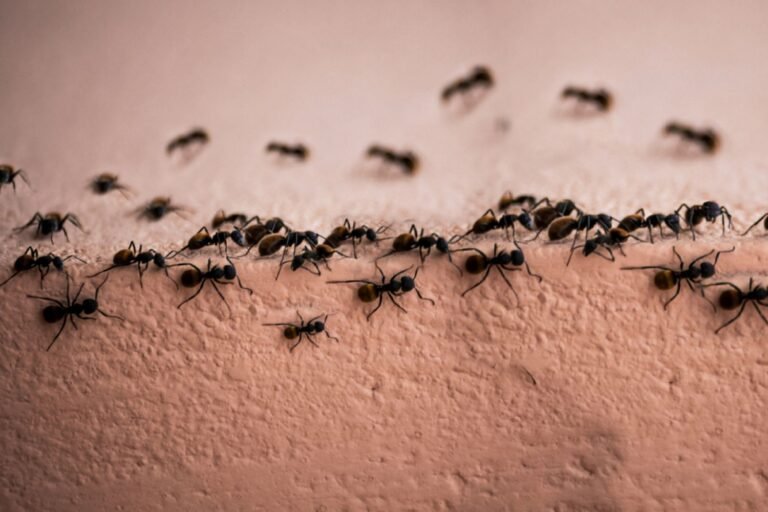
Beyond bed bugs, staff and managers must conduct regular spot checks in other high-risk areas. In the kitchen, look for ant trails, gnawed food packaging, or roach droppings near appliances. In bathrooms, check under sinks for signs of moisture and damp-loving pests like silverfish. Outdoors, inspect bait stations and traps, and look for new nests from wasps or hornets in the eaves. This multi-zone inspection ensures a holistic approach, quickly identifying and addressing the early warning signs of any incoming pest before it establishes a sustainable population.
Maintaining Clear Documentation and Guest Reporting
Documentation is the business component of monitoring, involving a detailed log of every inspection, sighting, and treatment. This paperwork proves due diligence and is invaluable in the event of a guest complaint or insurance claim. Furthermore, establishing a simple and clear guest reporting system is essential. Guests should be encouraged, through welcome book instructions, to immediately report any pest sighting to property management. A swift and professional response based on documented procedures can often be the difference between a minor issue and a damaging online review.
Pillar 4: Partner with Professionals (Integrated Pest Management)
Pillar 4 emphasizes that the most secure and sustainable pest strategy involves collaborating with certified professionals who practice Integrated Pest Management (IPM). IPM is a comprehensive approach that prioritizes prevention, structural fixes, and low-toxicity solutions over indiscriminate chemical spraying. A professional partnership ensures expertise in pest identification, access to commercial-grade, safe treatments, and, most importantly, provides the routine, documented oversight needed for a high-turnover hospitality business. This partnership is a non-negotiable insurance policy for maintaining a flawless guest experience.
Establishing a Regular Preventative Service Schedule
The foundation of the professional partnership is a scheduled preventative service, typically occurring quarterly or bi-monthly, especially during peak seasons. These routine visits allow technicians to inspect and refresh exterior barriers, check discrete bait stations, and monitor common entry zones like utility closets. This proactive schedule keeps minor pest activity from ever reaching the guest areas, as the focus is on perimeter defense and early detection. Relying on this regular maintenance is far more cost-effective than dealing with emergency, large-scale infestations and resulting lost bookings.
Prioritizing Low-Toxicity and Discreet IPM Solutions
Modern travelers, particularly those booking vacation rentals, often prefer environments free from heavy chemical usage. Property managers should therefore seek IPM professionals who prioritize low-toxicity and eco-friendly solutions for indoor applications. This includes targeted gels, baits, and natural treatments applied only where necessary. Furthermore, the service must be discreet, utilizing unmarked vehicles and performing maintenance during changeover windows. Maintaining a non-intrusive approach ensures guest comfort and prevents the perception that the property has an active, major pest problem.
Developing an Emergency Rapid Response Protocol
Even with the best preventative measures, pests can be introduced by guests. A critical part of the professional partnership is having an agreed-upon, rapid-response plan for any guest-reported sighting. This protocol must ensure a certified technician can be on-site within hours to inspect and confirm the pest type and extent of the issue. A fast, decisive, and documented emergency response, followed by immediate property closure and professional remediation, is essential to protect future bookings and effectively mitigate the financial and reputational damage of a negative review.
Final Thoughts
Managing a vacation rental pest-free isn’t just about cleanliness; it’s about protecting your business asset and 5-star reputation. By implementing these four pillars—structural exclusion, strict sanitation, constant monitoring, and professional integrated pest management—you create a robust defense system. Proactive measures minimize guest complaints, prevent costly infestations, and ensure your property remains a sought-after, revenue-generating sanctuary, not a bug-ridden liability. Prioritize prevention to guarantee peace of mind for you and your guests.