Yes, a termite inspector often checks for carpenter bees and other wood-destroying insects during an inspection. While the inspection is commonly referred to as a “termite inspection,” it’s more accurately a Wood Destroying Organism (WDO) inspection. The focus is on any pest that can compromise the structural integrity of your home, and this includes termites, carpenter bees, carpenter ants, and powderpost beetles. The specific requirements can vary by state, but a comprehensive inspection will generally look for signs of all these pests.
The WDO Inspection: Beyond Just Termites
When you hire a professional for a WDO inspection, you’re getting a thorough look at all the vulnerable wooden areas of your home. This isn’t just a quick glance for termites; it’s a detailed examination for any signs of wood-destroying pests. These inspectors are trained to identify the subtle, and not-so-subtle, clues left behind by a variety of culprits.
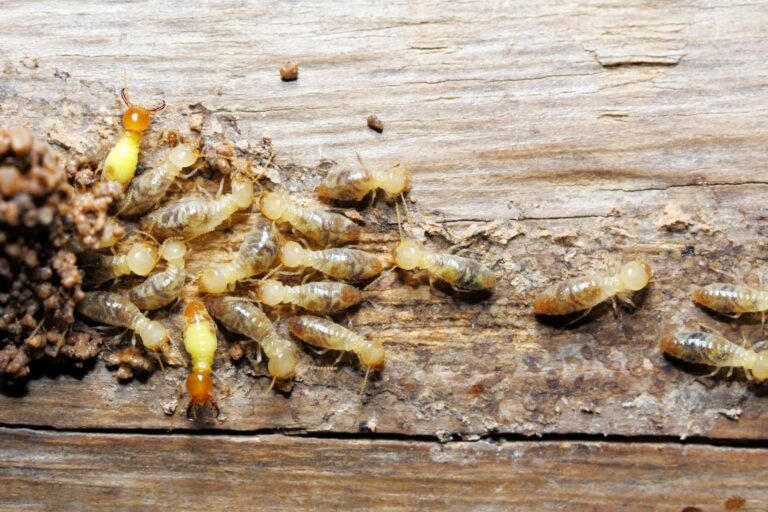
Termites
The most notorious of the bunch. Inspectors look for tell-tale signs like mud tubes on foundations, damaged wood that sounds hollow when tapped, and discarded wings from “swarmers” near windows and doors. Termites eat wood from the inside out, often leaving a thin veneer that can hide extensive damage.
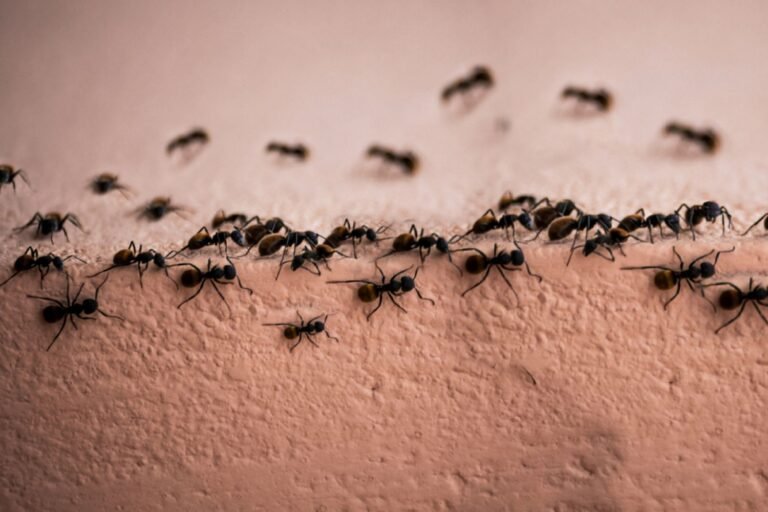
Carpenter Ants
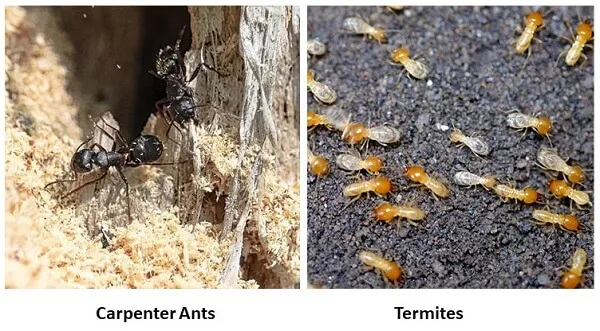
Unlike termites, carpenter ants don’t eat wood. They excavate it to create nests. Inspectors look for piles of wood shavings, known as frass, which often contains ant parts. The tunnels they create are typically smooth and clean, without the mud or soil found in termite galleries.
Powderpost Beetles
These tiny beetles can cause significant damage. Inspectors look for fine, powdery sawdust (frass) and small, circular “shot holes” on the surface of wood, which are the exit points for the adult beetles.
Carpenter Bees
While they’re less of a structural threat in a short period than termites, a large or long-standing infestation can weaken wooden elements. Inspectors look for perfectly round, ½-inch diameter holes on wood surfaces like eaves, decks, and siding. They also search for sawdust piles and yellow-brown streaks of bee droppings beneath the holes.
Key Differences in Damage: Termites vs. Carpenter Bees
While both pests damage wood, their methods and the resulting signs are distinctly different. Understanding these differences can help you spot a potential issue before a professional inspection.
Termite Damage
Termites are a silent and destructive force. Their damage is often hidden from plain sight, as they tunnel through wood from the inside.
Mud Tubes
Subterranean termites build distinctive tunnels made of mud and wood to travel between their underground colony and their food source (your home). These tubes are a primary indicator of their presence and are often found on foundation walls, in basements, and on other structures.
Hollowed Wood
Termites consume the soft, interior grain of the wood, leaving the harder, outer shell intact. If you tap on an infested piece of wood, it will sound hollow or papery.
Frass/Pellets
Drywood termites, which don’t require soil contact, leave behind small, hard, pellet-like droppings called frass. These often accumulate in tiny piles near “kick-out” holes.
Carpenter Bee Damage
Carpenter bees, on the other hand, are a more visible problem. They’re not eating the wood; they’re drilling into it to create galleries for their young.
Perfectly Round Holes
The most obvious sign of a carpenter bee infestation is the presence of near-perfect, half-inch-diameter holes drilled into wood. These look like they were made with an electric drill.
Sawdust and Pollen
As the female bee excavates her tunnel, she pushes out a small pile of sawdust, which often accumulates directly below the hole.
Yellowish Stains
Bee droppings can create yellowish-brown streaks on the wood surface, which are a clear sign of an active nest.
Audible Buzzing
You can often hear the loud buzzing of the male carpenter bees as they “defend” the nest. While intimidating, male carpenter bees cannot sting. The females, which are the ones doing the drilling, can sting, but they are generally docile.
What an Inspector Looks For?
A thorough WDO inspection involves a systematic and detailed search of your entire property. Here’s a typical checklist of areas an inspector will focus on:
Exterior
The exterior of the home is the first line of defense and often the first place to show signs of infestation.
Foundation
The inspector will check for mud tubes, especially where the foundation meets the ground or a porch, patio, or other structure.
Siding and Eaves
They’ll look for signs of damage on the siding, including bubbling paint, which can indicate termites or other pests. They will also inspect eaves and soffits for the distinctive holes of carpenter bees.
Decks and Fences
All wooden outdoor structures, including decks, pergolas, and fences, are prime targets. The inspector will check for soft or damaged wood and look for any of the signs mentioned above.
Wood-to-Ground Contact
They’ll pay close attention to areas where wood touches the soil, such as a deck post or a wooden window frame, as this is a common entry point for subterranean termites.
Interior
The inspector will move inside, focusing on areas where pests are most likely to hide or thrive.
Basement/Crawl Space
These areas are often damp and dark, providing an ideal environment for termites. The inspector will check exposed wooden beams, joists, and subflooring for signs of damage or active pests.
Attic
The attic is also a common hiding spot. The inspector will check rafters and trusses for damage, especially from drywood termites or carpenter ants.
Window and Door Frames
These are common entry points for pests. The inspector will check for damage, blistering paint, or the presence of discarded wings.
General Wood
They will tap on baseboards, walls, and other wooden elements to listen for a hollow sound.
Why a WDO Inspection is Crucial?
A WDO inspection is not just about finding existing pests; it’s also about identifying conducive conditions that could lead to an infestation in the future. These include:
Moisture Issues
Leaky pipes, poor drainage, or a lack of ventilation can create a humid environment that attracts termites and other pests.
Wood-to-Ground Contact
This is a major entry point for termites and is a primary concern.
Landscaping
Firewood stored too close to the house or excessive mulch against the foundation can be a termite invitation.
Bottom Lines
The inspector will include these conditions in their report, giving you a roadmap for preventative measures to protect your home. A professional WDO inspection is an essential step for any homeowner, whether you’re buying, selling, or just want peace of mind. While a termite inspector’s primary focus is on the most destructive pests, their role as a WDO inspector means they will be on the lookout for carpenter bees and all other wood-destroying insects, ensuring a comprehensive assessment of your home’s health.