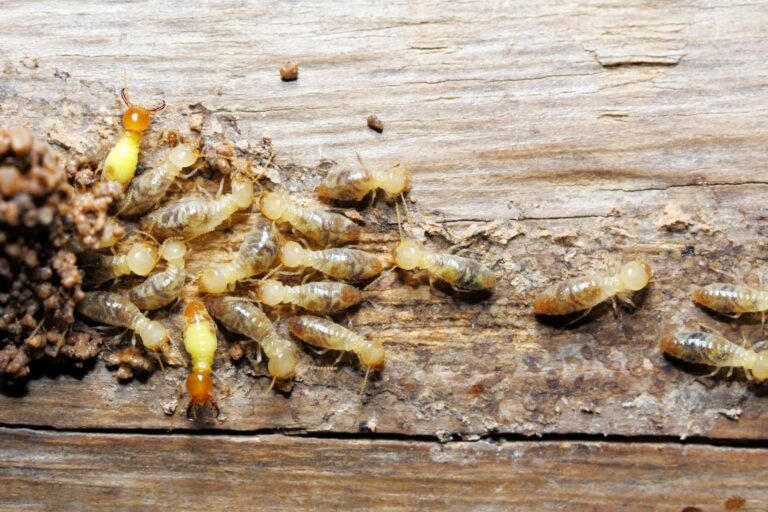
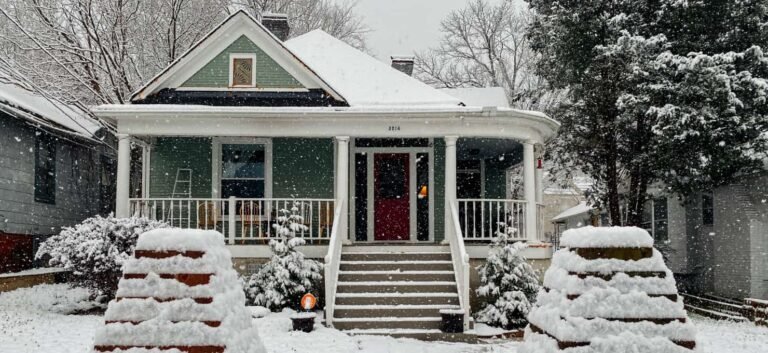
Selling or buying a home in California comes with a lot of questions, and one of the most common is: “Who pays for the termite inspection?” While it’s not a legal requirement, it’s become a standard and expected part of a real estate transaction in the Golden State. For many homebuyers, a clear termite report is a crucial green light from their lender. For sellers, providing one can make their property more attractive and speed up the closing process. Let’s break down who typically foots the bill, and why.
The Unspoken Rule: Why Sellers Pay for Termite Inspections in CA
Selling a home in California involves a lot of moving parts, and the termite inspection is one of the most significant. While the state’s laws don’t mandate a termite inspection for a property sale, the real estate market itself has created a strong custom for the seller to provide one. This is largely due to the influence of lenders and the need for a smooth transaction.
Most buyers need a loan to purchase a home. Lenders, in turn, want to ensure that the property they are investing in is a sound asset. A house with an active termite infestation or significant structural damage from termites is a major liability. To mitigate this risk, many lenders—especially those for government-backed loans like FHA and VA loans—require a Wood Destroying Organism (WDO) report. This is essentially a comprehensive termite inspection report. For a deal to close, the seller often needs to provide this report and demonstrate that any issues found have been resolved.
By paying for the inspection upfront, a seller can be proactive. It allows them to identify and address any problems before they become a sticking point in negotiations. In a competitive market, a home with a clean, pre-paid termite report is a more attractive and less risky option for buyers, which can lead to a faster and more favorable sale.
Understanding the Termite Report: Section 1 vs. Section 2
The termite inspection report is not just a simple pass or fail document. It’s a detailed analysis of the home’s condition and is crucial for both buyers and sellers to understand. The report is typically broken down into two main sections:
Section 1: Active Infestations and Damage
This is the most critical part of the report and the main concern for lenders. Section 1 identifies active infestations of wood-destroying pests, such as termites or wood-boring beetles, as well as any existing structural damage caused by them.
For example, this section might note the presence of drywood termite frass (droppings) in an attic or subterranean termite mud tubes on a foundation. It will also specify any damage, like chewed-up support beams or compromised floor joists.
In almost all cases, the seller is responsible for paying for the treatment and repair of all items listed in Section 1. This is a non-negotiable part of the process for most home loans. Lenders will require a “clearance report” or “certification” to verify that all Section 1 issues have been addressed before they will release the funds for the home purchase.
Section 2: Conditions Conducive to Infestation
This section outlines preventative recommendations for conditions that could lead to future pest problems. These are not active issues but are a heads-up for potential vulnerabilities. Examples include:
Earth-to-wood contact: When soil is touching wooden parts of the house, it can create a pathway for subterranean termites.
Excessive moisture: Leaky pipes or poor drainage can create a damp environment that attracts pests and leads to wood rot.
Faulty grade levels: Improper sloping of the ground around the foundation can direct water toward the home.
The buyer is usually responsible for fixing Section 2 items after the sale is complete. Since these are not active infestations, they are typically not a condition for closing the loan. However, a savvy buyer might use these findings as a point of negotiation to ask for a credit or a price reduction to cover future repair costs.

When the Buyer Might Pay for the Inspection?
While it’s less common, there are several situations where a buyer might end up paying for the termite inspection:
“As-Is” Sale
If the property is listed “as-is,” the seller is making it clear they will not pay for any repairs, including termite treatment or damage. In this scenario, the buyer takes on the responsibility for all inspections and any subsequent work required to close the deal. This is more common with distressed properties or fixer-uppers.
A “Hot” Seller’s Market
When there are multiple offers on a home, a buyer may offer to pay for the inspection themselves to make their offer more attractive. By removing the financial burden from the seller, they signal their seriousness and can make their bid stand out from the competition.
The Buyer’s Choice
A buyer may simply prefer to hire their own inspector to get a third-party, unbiased opinion. While a seller’s report is legally binding, some buyers feel more comfortable with a professional they’ve vetted themselves. This can also be a strategic move to find potential issues that the seller’s inspector might have missed.
Final Thoughts
When it comes to buying or selling a home in California, the rule is pretty simple: the seller usually pays for the termite inspection. They do this to make sure the sale goes smoothly and to meet lender requirements.
The seller fixes any active termite problems found in “Section 1” of the report. The buyer, on the other hand, is responsible for any suggested fixes in “Section 2,” which are just for preventing future issues. This clear split helps both sides of the deal move forward without any big surprises.