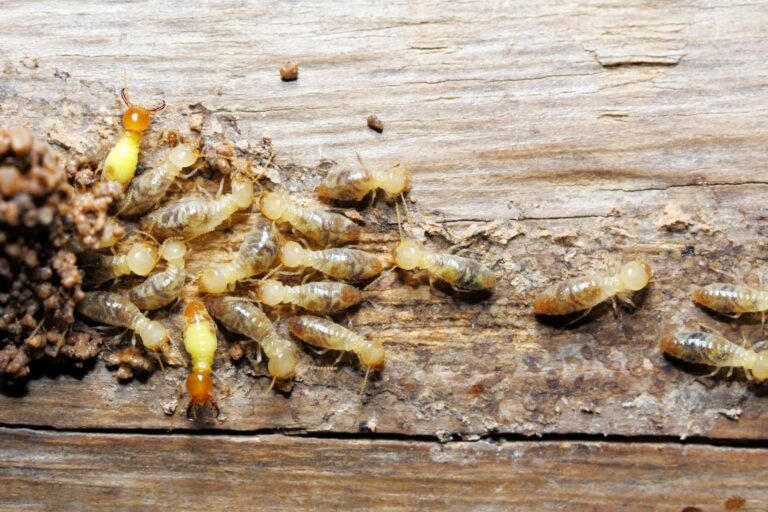
Discovering termite damage after you’ve paid for a clear inspection report is a homeowner’s nightmare. You relied on a professional’s expertise before buying your home or as part of routine maintenance, only to find mud tubes, hollow-sounding wood, or worse. If you’re in Dublin, CA, and facing this stressful situation, it’s crucial to know that you have options. This blog will walk you through the immediate steps to take, your potential legal recourse, and how to fix the problem to protect your investment.
Immediate Actions: What to Do If You Suspect Missed Termites
Finding evidence of termites after a recent inspection can be alarming. Stay calm and take these logical steps to protect your rights and your home.
Document Everything Thoroughly
Before touching anything, systematically photograph and video all evidence with timestamps. Capture clear shots of mud tubes, frass (termite droppings), damaged or hollow-sounding wood, discarded wings, and any structural signs like bubbling paint. This visual evidence is critical for two reasons: it provides undeniable proof of the infestation’s presence and extent for the original inspector, and it serves as your primary documentation if legal action becomes necessary. Thorough records create a solid, factual foundation for your claim, preventing disputes about the damage’s severity or origin. This step is your first and most important line of defense in establishing what the inspector missed.
Contact a Reputable Pest Control Company for a Second Opinion
Immediately seek an independent assessment from a highly-rated, licensed pest control company in the Dublin area. Do not rely on the original inspector for a follow-up evaluation. This second opinion is essential for obtaining an unbiased, professional report that confirms the active infestation, identifies the termite species, and assesses the full scope of the damage. This new report becomes your key objective evidence, directly contradicting the initial “clear” inspection. It will outline the necessary treatment and repair costs, which are the actual damages you can seek to recover from the negligent inspector, forming the core of your financial claim.
Review Your Original Inspection Report and Contract
Locate the original inspection agreement and the final report you received. Scrutinize the contract’s terms, paying close attention to any clauses about the inspector’s liability, guarantees, or procedures for disputing findings. Next, carefully re-read the inspection report itself; note what areas were inspected and any specific comments made. In California, check if the report had blank “Section 1” (active infestation) and “Section 2” (conducive conditions) items that should have been noted. This review helps you understand the exact duties the inspector owed you and is the first step in building a case for professional negligence.
Contact the Original Inspection Company
Once you have your new evidence and have reviewed the original contract, professionally contact the inspection company. Calmly inform them of the situation, provide a copy of the second report and your photos, and request a follow-up visit. Their response will be very telling. A reputable company may acknowledge the error and seek to resolve it amicably. However, if they are defensive or uncooperative, it reinforces the need for further action. This communication also creates a formal record of your complaint. Always maintain a professional tone in writing (email is best) to keep the door open for a settlement.
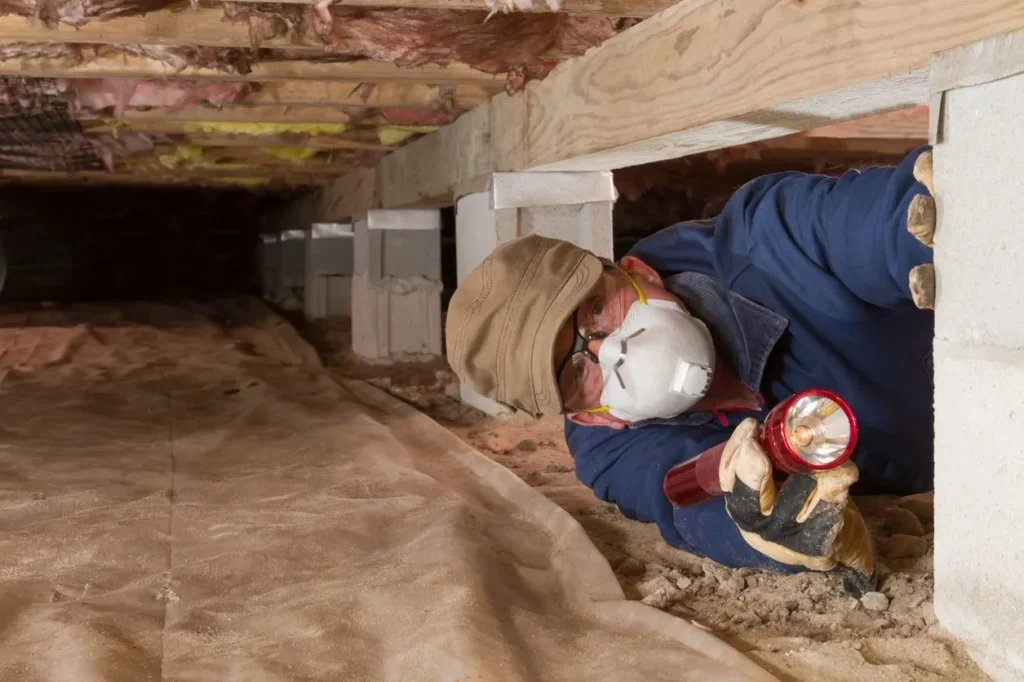
Understanding Inspector Liability and Negligence
Termite inspectors are held to a “standard of care” that requires them to perform their duties with the same skill and diligence as a reasonably competent inspector would under similar circumstances. When they fail to meet this standard, it may be considered negligence.
To have a valid claim, you typically need to establish four elements:
Duty: The inspector owed you a duty to perform a competent inspection (established by the contract you signed).
Breach: The inspector breached that duty by failing to identify signs of infestation that should have been found.
Causation: Their failure to find the termites directly led to the continued damage.
Damages: You suffered financial losses as a result, such as repair costs.
Common examples of inspector negligence include:
- Failing to inspect accessible areas like crawl spaces or attics.
- Overlooking visible signs like termite swarmers (dead winged termites on windowsills) or bubbling paint that, when probed, reveals damaged wood underneath.
- Performing only a cursory, visual check without using tools to probe suspicious wood.
Final Thoughts
Discovering that a professional missed a termite infestation is a frustrating and costly experience. However, by acting methodically—documenting the damage, seeking independent professional opinions, and understanding your legal rights—you can work toward a resolution that repairs your home and holds the responsible party accountable. Taking swift and informed action is the key to protecting your most valuable asset: your home.