You’ve probably heard the horror stories about homeowners who come home to find termite damage so bad that it costs thousands of dollars to fix. When something like this happens, people often have one important question: “How long does it take for these tiny pests to do that much damage?”
There isn’t a single, easy answer, which is a scary truth. It takes months or years for termites to do damage; it’s a slow, quiet process. On the other hand, most experts agree that within 3 to 8 years, a fully grown colony can do a lot of damage to your home. What does “significant” mean? What are the important things that make this timeline go faster or slower?
The Silent Culprits: Understanding the Two Main Termite Types
First, it’s important to know your enemy. The two most common and destructive types in the U.S. are:
Subterranean Termites
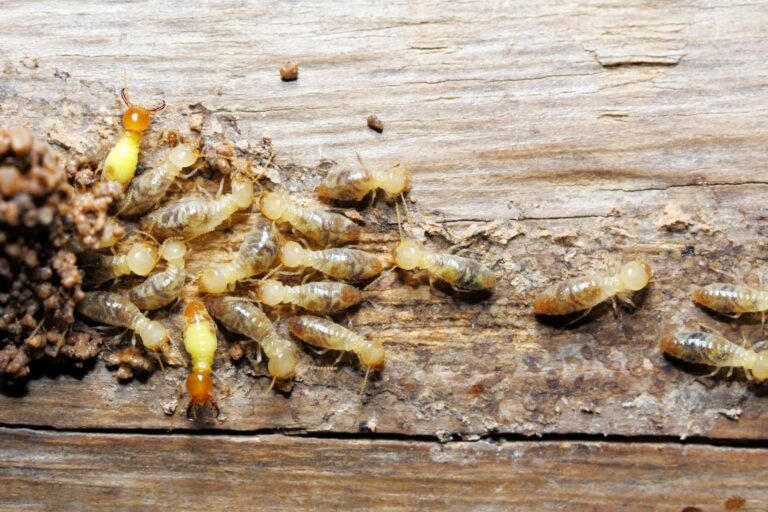
The most common and dangerous species. For food, they dig mud tubes to get to places above ground where they live in groups. One colony can have between a hundred thousand and a million termites.
Drywood Termites
These termites don’t need to be in dirt to live in dry wood, like attic frames or furniture. Even though their nests are only a few thousand termites at most, they can still do a lot of damage over time.
The Key Factors That Determine the Speed of Damage
Think of a termite colony as a factory. The speed of its output (damage) depends on several variables:
Colony Size and Age
This is the most important thing. Some colonies might only eat a few grams of wood each year when they are very small and new. A big, old colony of underground termites, on the other hand, can eat more than 5 grams of wood every 24 hours, or about 1 pound of wood every day. That’s enough to eat through a foot-long piece of 2×4 wood board in a little over 4 months.
Species of Termite
Drywood termite colonies take a lot longer to work because they are much smaller than underground termite colonies.
Environmental Conditions
Termites do best in warm, damp places. Homes in the warmer southern states, like Florida, California, and Louisiana, are at risk all year, which means that damage builds up faster. Termites may slow down or go into hibernation in colder places during the winter.
Food Availability
What kind of wood it is, how old it is, and how good it is all matter. Termites like wood that is soft, wet, or breaking down, but they will eat sound wood if they can get to it.
A Timeline of Destruction: From Infestation to Significant Damage
To visualize the progression, here’s a potential timeline:
Year 1-2
The Silent Pest Problem. A community sets up shop in or near your home. Workers start to look for food. Damage at this point isn’t too bad—maybe a few holes in a single stud, joist, or beam. Untrained eyes usually can’t see any signs.
Year 3-5
Damage builds up. The group gets bigger. The rate of consumption goes up. The damage inside the wood spreads to nearby pieces of wood. You may start to notice small signs, like faint mud tubes on the foundations, drywood termite wings that have been thrown away (called “swarmers”), or a pin-sized hole in the wall covered in tiny droppings (called “frass”).
Year 5-8
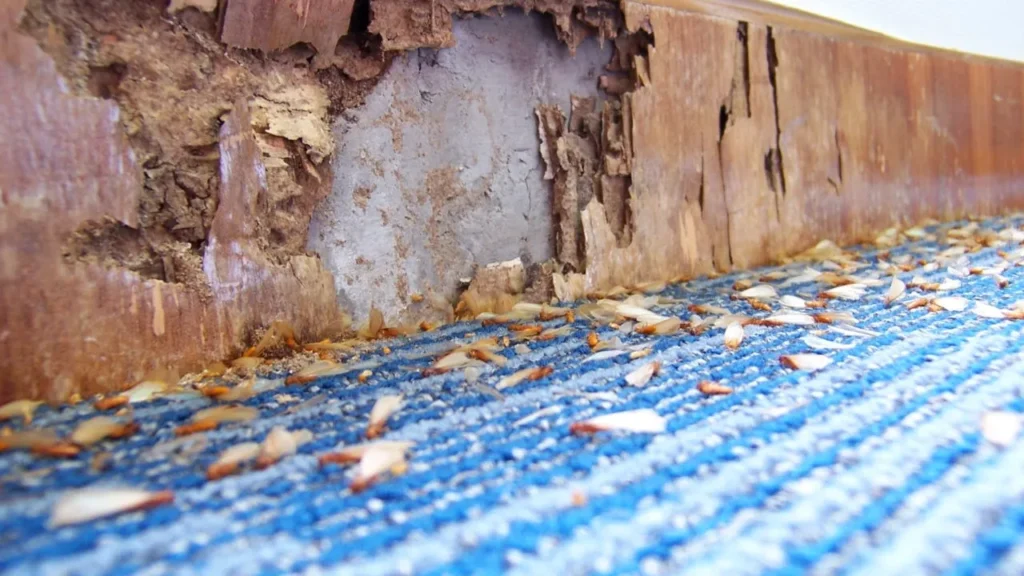
A lot of damage to the structure. The group is big and grown up now. The total amount of spending has made structural parts weaker. And this is when most people find out what’s wrong: floors start to sag or feel soft, doors and windows stick for no reason, drywall starts to fall apart, or beams show honeycombing and weakness. This is the “significant damage” stage, where fixing things gets hard and costs a lot.
8+ Years
Extreme Compromise. If you don’t do anything about it for ten years or more, termite damage can make a house unsafe to live in. Fully supported beams can break, flooring parts can fall apart, and the house’s structure can become damaged beyond repair.
Important Note: This timeline can be dramatically accelerated if multiple colonies are infesting the same structure simultaneously.
How to Spot the Signs Before It’s Too Late
You don’t have to wait 5 years to find out. Be proactive and look for these warning signs:
Mud Tubes: Pencil-sized tubes on foundations, crawl space piers, or walls.
Hollow-Sounding Wood: Tap on wood surfaces; damaged wood will sound hollow or papery.
Frass: Drywood termites leave behind piles of tiny, wood-colored pellets.
Swarmers: The appearance of winged, ant-like insects (especially indoors) is a major red flag.
Blistered or Sagging Floors: A sign of advanced damage in subflooring.
Tight-Fitting Doors or Windows: Caused by warping from moisture in damaged wood.
Final Thoughts
Even though termites usually take a few years to do “significant damage,” you can’t wait. Due to their sneaky behavior, termites cause a lot of damage before you even notice any clear signs. It’s best to attack than to defend. Having a qualified pest control company do a professional inspection once a year is the best way to catch an infestation early or stop it from happening in the first place. A trained professional can see signs that you won’t be able to and can put up blocks and treatments to protect your home, which is your biggest investment. Don’t let the quiet destroyers take away your hard-earned money. You can rest easy tonight knowing that your house is safe after scheduling an inspection today.